The food and beverage industry is one of the most competitive sectors globally, where even the most iconic brands can fail if they do not adapt.
Around the world, closures and brand eliminations are becoming increasingly common as consumer preferences evolve. Without innovation, businesses that were once household names are quickly replaced by more dynamic players offering fresh concepts and products.
Hong Kong has witnessed many of these closures. The latest victim is Metropol Restaurant, a 35-year-old establishment that will close in September.
Interestingly, high rent – a common reason for business closures in Hong Kong – is not to blame here, as the operator owns the premises and has sold it to the University of Science and Technology. Instead, Metropol’s decline highlights a more significant issue: stagnation and failure to meet changing consumer demands.
Global wave of F&B brand closures
Metropol joins a growing list of well-known F&B brands that have shut their doors in recent years. In Hong Kong, Super Star Seafood Restaurant, Taipan Bread & Cakes, and Ocean Empire Food Shop have all exited the market. Globally, brands like Del Monte, a US-based food giant with 139 years of history, and Sara Lee, an Australian dessert brand famous for its pound cakes, have faced similar challenges.
A failure to innovate
Taipan Bread & Cakes lost its edge as competitors introduced ice mooncakes with more creative flavors and modern packaging.
Super Star Seafood, known for dishes like stone fish and hairy crab, failed to refresh its menu and lost relevance.
Ocean Empire Food Shop, once popular for its clean environment and congee dishes, struggled to modernize and keep pace with newer, trendier eateries.
Del Monte, known for its canned fruits and vegetables, could not appeal to today’s health-conscious consumers.
Sara Lee rarely introduced new products, relying on legacy items that failed to excite modern customers.
In some cases, businesses were artificially sustained by government subsidies during Covid. However, when the subsidies ended, many struggling operations were exposed and ultimately collapsed.
Hong Kong’s fierce competition
Hong Kong’s F&B sector is particularly competitive. Between 2019 and 2023, the number of licensed eateries grew by 10 percent to 17,000. At the same time, industry revenue fell by 10 percent to HK$109.4 billion in 2024. That means on average, each eatery saw an 18 percent drop in income, underscoring how intense the competition has become.
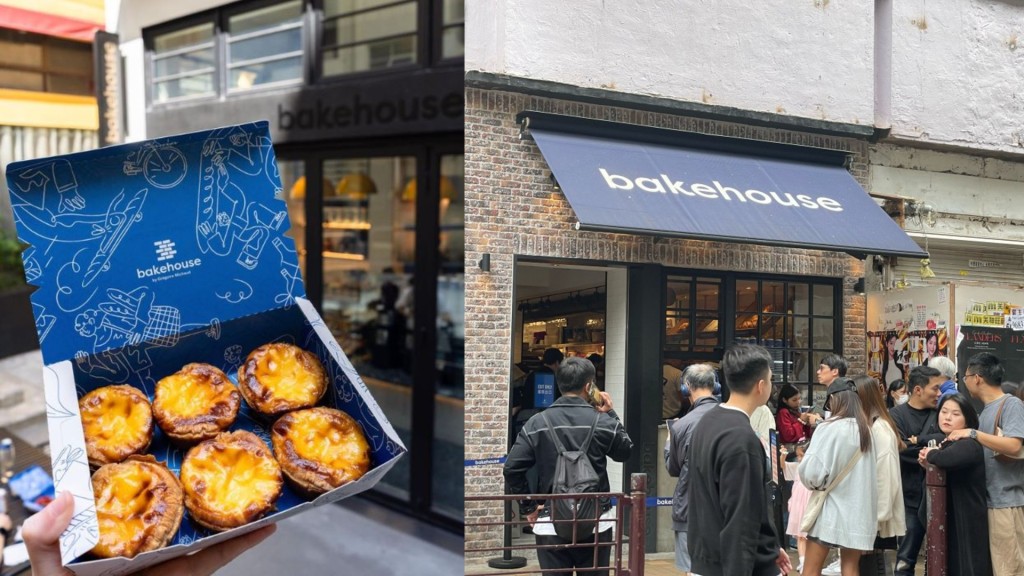
Despite these challenges, some brands continue to thrive by embracing innovation. Bakehouse, for instance, has captured attention with its sourdough egg tarts, priced at HK$12.50 – which are more expensive than traditional egg tarts. The unique product has drawn long queues, including mainland tourists eager to try it.
Similarly, Taste Gourmet, a listed company operating a wide range of restaurants from Vietnamese to Japanese cuisine, has reported growing profits. Its success demonstrates the importance of diversification and professional management. The company’s founder, an accountant by training, uses data-driven strategies to adapt to market trends and maintain profitability.
Competition from new players
Adding to the pressure, new players are entering the Hong Kong market. Luckin Coffee, a mainland brand, has expanded its footprint in the city, offering fresh concepts and competitive pricing.
These new entrants are raising the stakes for local operators, forcing them to innovate or risk being outcompeted.
The lesson: innovate to survive
The closures of Metropol, Del Monte, and other iconic brands serve as a stark reminder that no business is too established to fail.
The F&B industry is fast-moving, and customer loyalty is fragile. To succeed, businesses must embrace continuous innovation by launching new products, modernizing operations and staying ahead of evolving consumer preferences.
Hong Kong’s competitive market requires operators to adopt the philosophy of moving with the times – a mindset that applies not just to the F&B sector but to all industries.
In a world where competition is inevitable, only those who adapt, innovate and remain relevant can thrive. The rest will be replaced, as survival truly belongs to the fittest.