Over 63 percent of the public opposes establishing an alternative framework for legal recognition of same-sex partnerships and providing for appropriate rights and obligations attendant on such recognition.
In response to the Court of Final Appeal's order, the government has submitted the Registration of Same-sex Partnerships Bill to the Legislative Council to be scrutinised by the relevant Bills Committees. Members of the public are invited to give their views on the Bill by July 29.
According to Sing Tao Daily -- the sister publication of The Standard -- 3,941 submissions have been uploaded by the Legislative Council Secretariat.
Among them, 2,500 submissions -- or approximately 63.4 percent -- are opposing the Bill. A total of 1,441 submissions, including 705 standardized format signed spreadsheets promoted by Sham Tsz-kit online, support the Bill.
The society is deeply divided on the issue, with some representatives from the education and religious sectors worried that establishing an alternative framework for the recognition of same-sex partnerships would overturn the traditional monogamous and heterosexual marriage system. Some noted that the passage of the Bill could seriously affect the family ethics of the next generation.
A number of political parties, including the Democratic Alliance for the Betterment and Progress of Hong Kong (DAB), the Federation of Trade Unions (FTU), Business and Professionals Alliance for Hong Kong (BPA) and the Liberal Party have expressed their opposition to the Bill, while New People's Party endorsed the Bill.
The Committees have concluded four meetings as of Monday (Jul 28), and will examine the Bill clause-by-clause.
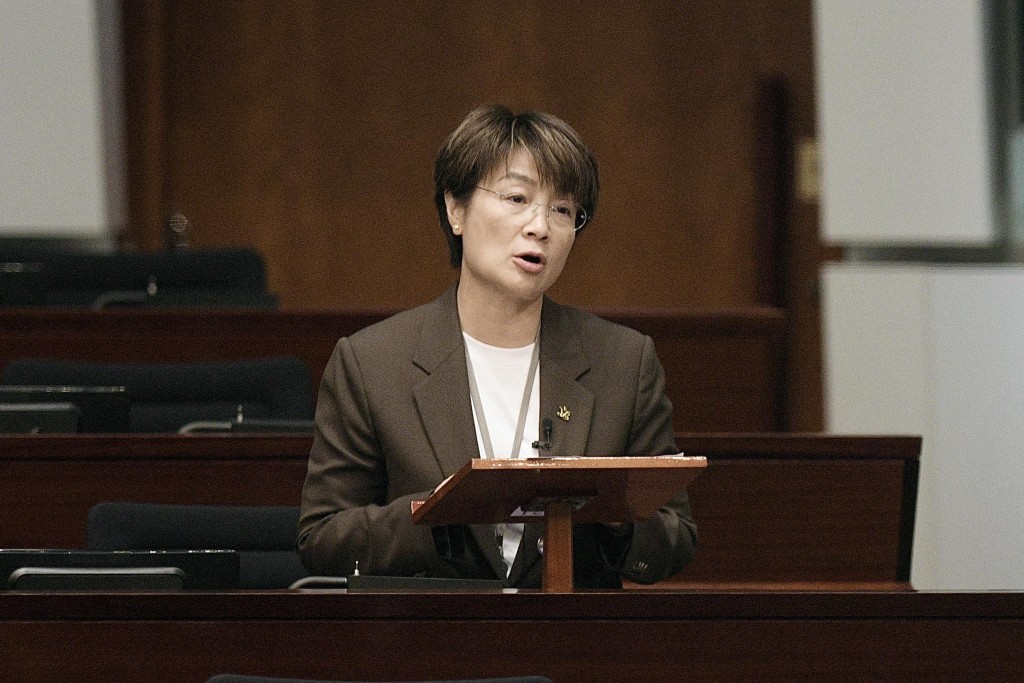
At a recent Bills Committee meeting, Secretary for Constitutional and Mainland Affairs Erick Tsang Kwok-wai expressed his hope for the Committee to submit its review report to the LegCo House Committee for consideration as soon as possible, with the goal of resuming the Second Reading sooner rather than later, so that the Bill can be passed within the two-year deadline set by the Court of Final Appeal.
Given the current divergence of public opinion, with opposition seemingly in the majority, and the fact that many political parties and lawmakers have expressed resolute opposition, the ultimate passage of the Bill is uncertain.