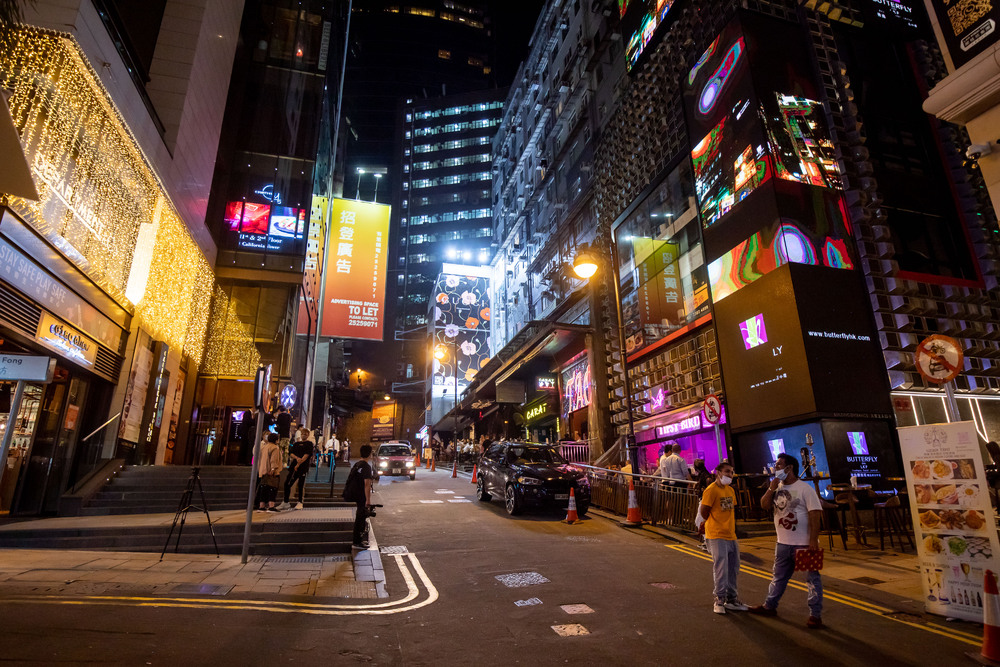
Hong Kong's vibrant bar scene has attracted cocktail enthusiasts from the mainland with its diverse bar-hopping experience and niche drink offerings, despite the local food and beverage sector facing challenges from increasing northbound consumption.
"Hong Kong has one of the best bar-hopping cultures in the world," said Matt Stephens, a bartender at Gokan -- which was ranked No. 33 in Asia's Best 50 Bars this year.
Six local bars in Asia's Best 50 Bars
A total of six Hong Kong bars secured spots on the list, with Bar Leone crowned the best bar in the region for the second consecutive year. The neighboring city made its first entry on the list with MO Bar ranked 21st.
Stephens highlighted that customers can easily bounce between multiple top bars or hidden gems within a 10-minute walking distance in Central, while patrons in other cities must arrange transportation between locations.
The skilled bartender also noted that Hong Kong's drinking culture is "extremely friendly and open," with bartenders always happy to make recommendations.
HK bars tend to develop unique products
Beyond the customer-friendly bar-hopping experience, Alex Ko, Beverage Development Manager of Tastings Group, stated that Hong Kong bars can develop more unique products due to access to a broader range of ingredients, as well as accumulated experience and techniques.
Another advantage the city holds is its diverse consumer base, which is evident in popular establishments like former best Asia bar COA and current titleholder Bar Leone, both of which enjoy wide popularity among mainland visitors.
"Bars in Hong Kong" among hottest topics on Xiaohongshu
The topic "bars in Hong Kong" on the Chinese social media platform Xiaohongshu has garnered 39.5 million views, with 1,438,000 posts shared by users as of the end of July, while the topic "bars in Central" also gained 4.9 million views.
The diverse group drives more local bars specialising in unique categories such as mezcal or apertivos, compared to those in Shenzhen, where consumer tastes trend towards more narrow lanes, Ko said.
He added that from a distributor's perspective, bars in Shenzhen have less incentive to carry a broad inventory of niche products, contributing to slow-moving stock.
However, the Hong Kong market offers more suppliers carrying products that "would be considered dead stock on the mainland," he said. "It's a healthier supply environment in HK to support these niche bars."
When asked about the main strengths that allow local bars to continue attracting mainland and international visitors, Stephens concluded that the city offers a great variety of atmospheres and types of bars.
"There's a huge selection of places to try based on what you prefer for your night," he said.
(Judy Cui)