Read More
As cross-border e-commerce platforms such as Taobao, JD.com and Pinduoduo gain popularity among Hong Kong and Macau residents, consumer watchdogs of Guangdong and the two SARs issued a rare first-time joint reminder to consumers.
ADVERTISEMENT
SCROLL TO CONTINUE WITH CONTENT
In the notice, the watchdogs highlighted growing risks for SAR residents purchasing mainland-only goods, typically requiring consolidated shipping, citing recent disputes tied to these transactions and difficulties in lodging complaints.
Hong Kong and Macau shoppers should prioritize buying return-insured mainland goods on cross-border e-commerce platforms, particularly for high-risk or bulky items, the consumer bodies said.
They outlined five tips calling on consumers to be prudent and “do their homework” before making these purchases.
1. Product standards may differ
Consumers should check labels and specs carefully, as mainland standards may be different from those of Hong Kong and Macau. They should verify quality certifications if needed and confirm the product meets your needs before purchasing.
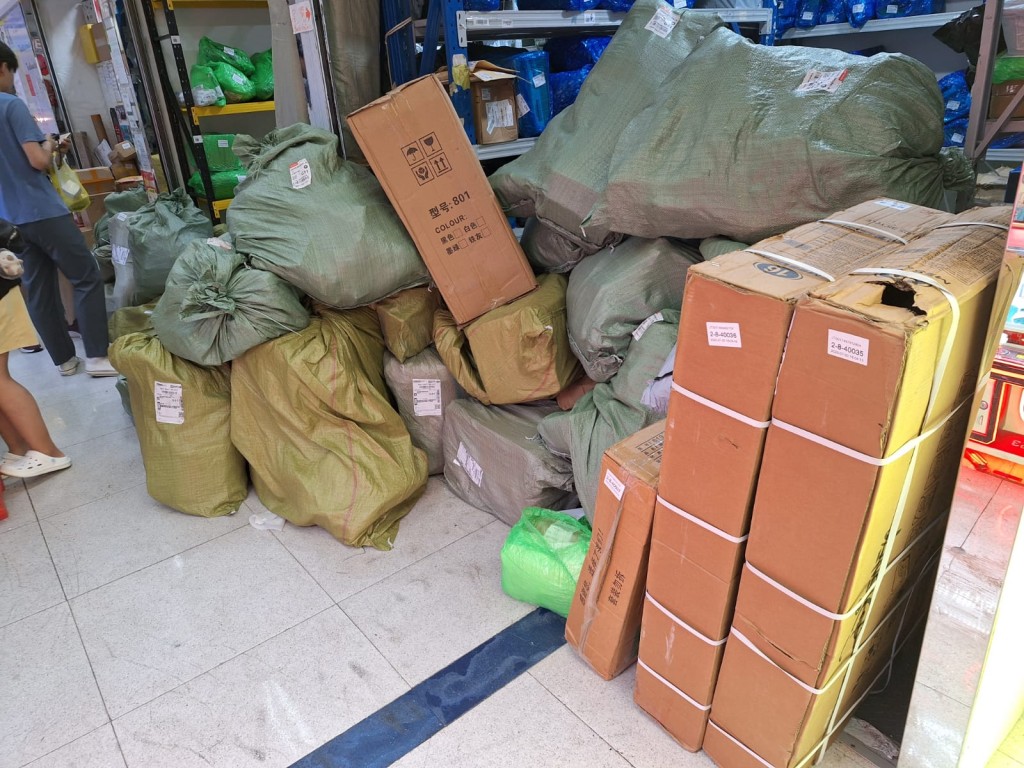
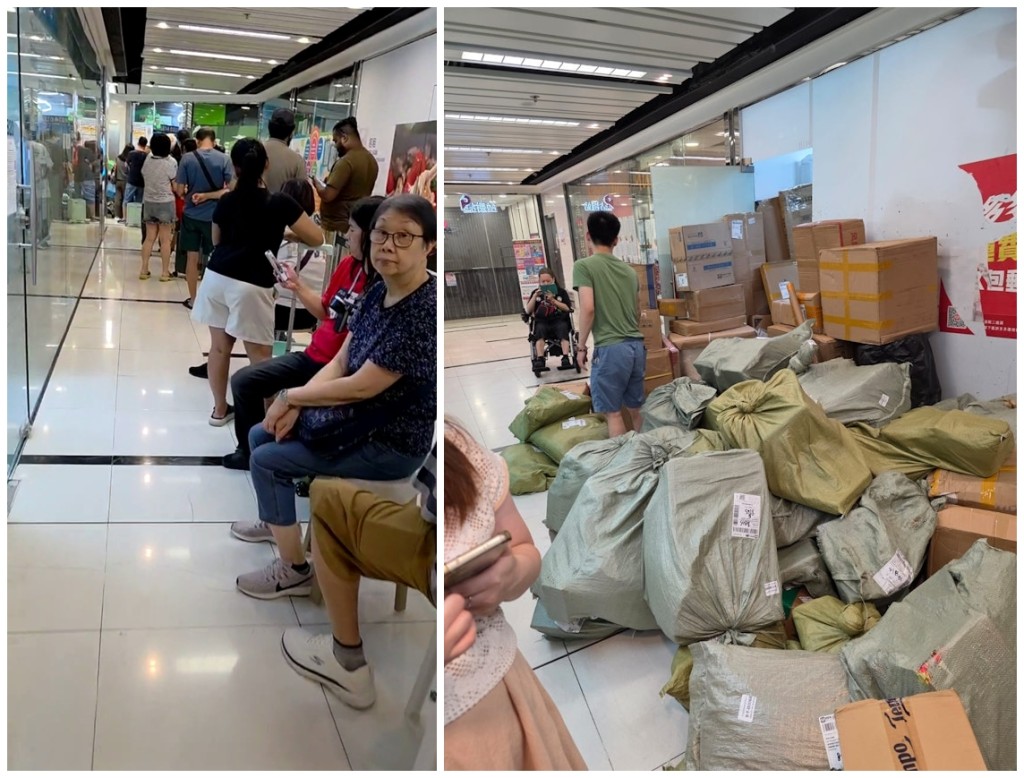
Cross-border online shopping packages in Hong Kong pick-up locations. (Photo: Internet)
2. Shipping risks and package protection
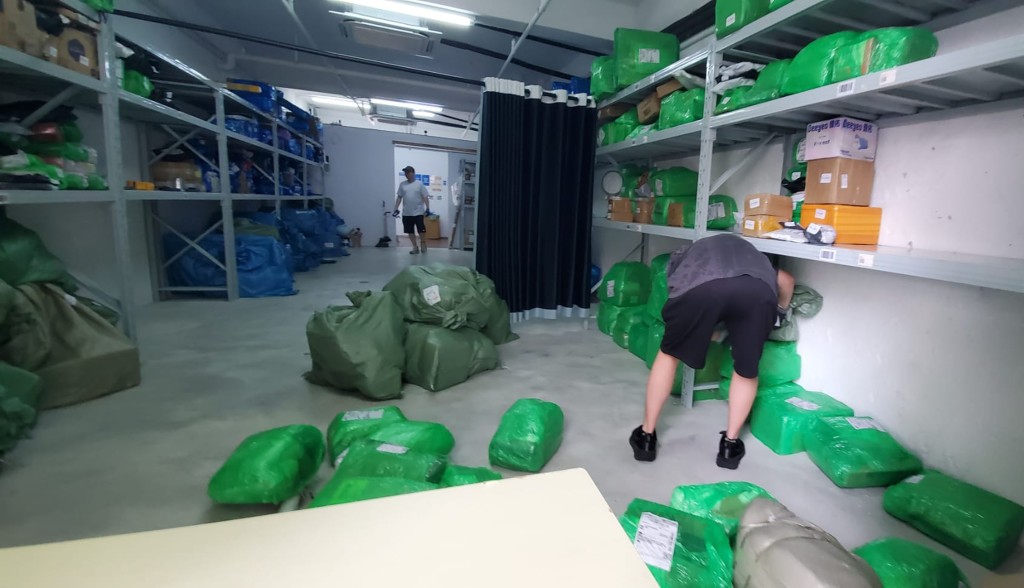
A cross-border package goes through at least five stages: seller dispatch, consolidation warehouse, cross-border shipment, and local delivery, with each handoff increasing potential issues, and most consolidation warehouses check only the outer packaging.
If damaged upon arrival, consumers may get stuck in a blame game between parties.
“Consumers should, as far as possible, inspect goods during transport. When buying valuable or fragile items, they should prioritize warehouses offering unpacking or pay extra for photo-check services,” the reminder read.
3. Return cost disputes
Return costs often fall on consumers, as sellers may refuse to cover cross-border shipping, the watchdogs said.
“Consumers are advised to prioritize products with return shipping insurance, and for items likely to be returned or large in size, they should negotiate a refund arrangement with the seller beforehand and proceed only after reaching an agreement.”
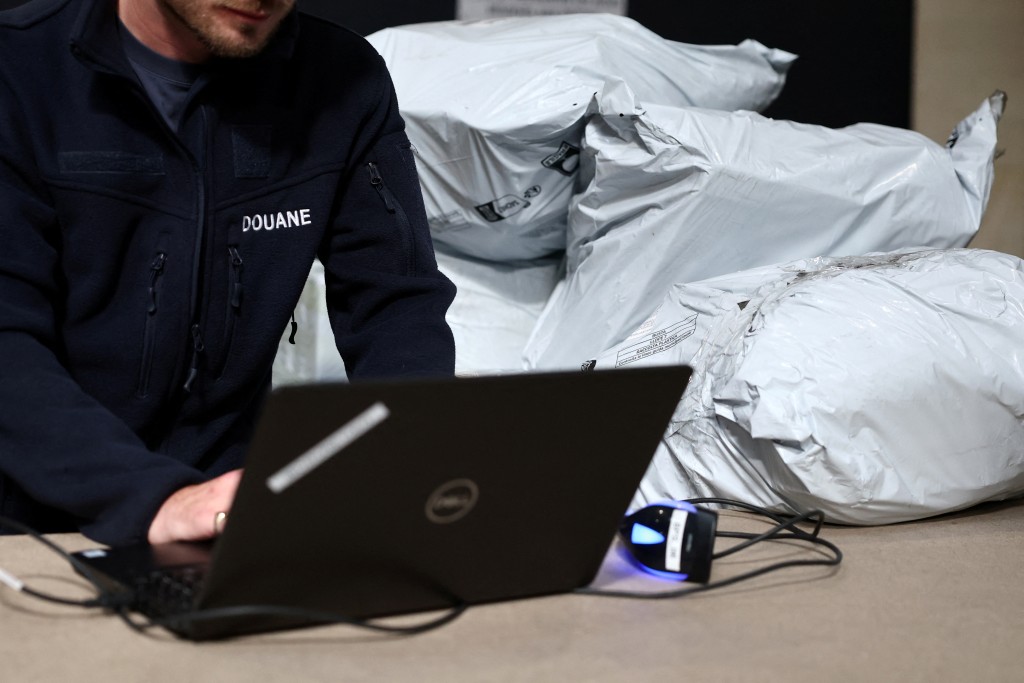
Customs officer inspects e-commerce packages at Paris-Charles de Gaulle Airport (Reuters)
4. Customs and duty-free regulations
As Hong Kong residents buy products sold only on the mainland, some items are banned for export or import, such as fresh food as well as living plants and animals. They should also check the tax-free limits.
5. Keep receipts to protect your rights
Consumers should always keep their online shopping receipts, order confirmations, and any messages with the seller, the reminder states.
“If disputes arise, start by asking the shopping platform to intervene. If they can’t resolve it, consumers can take their complaint to their local consumer council in Hong Kong or Macau, or use the official Greater Bay Area complaint website.”

Mainland e-commerce giants display massive tunnel billboards to boost consumer spending. (File Photo)
Banned items in HK found on e-commerce platforms: reports
This comes as a 13-year-old boy was recently arrested for allegedly possessing explosives after he bought smoke grenades from Pinduoduo.
Other goods that are under regulation or even banned in Hong Kong can also be found on these platforms, including self-defense stun gadgets that can send electric shock, and raw seafood such as oysters and sashimi, local media outlets reported.
Currently, Hong Kong laws require a license for carrying arms, which include stunning devices such as tasers, while seafood imported by land must enter designated ports, with wildlife officials conducting regular checks.
(Jamie Liu)