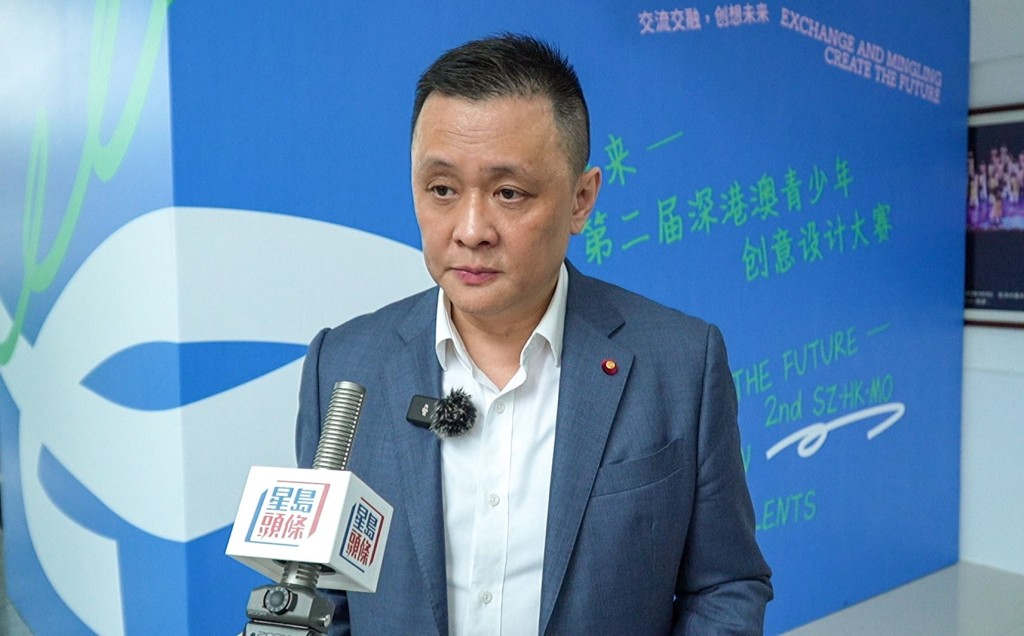
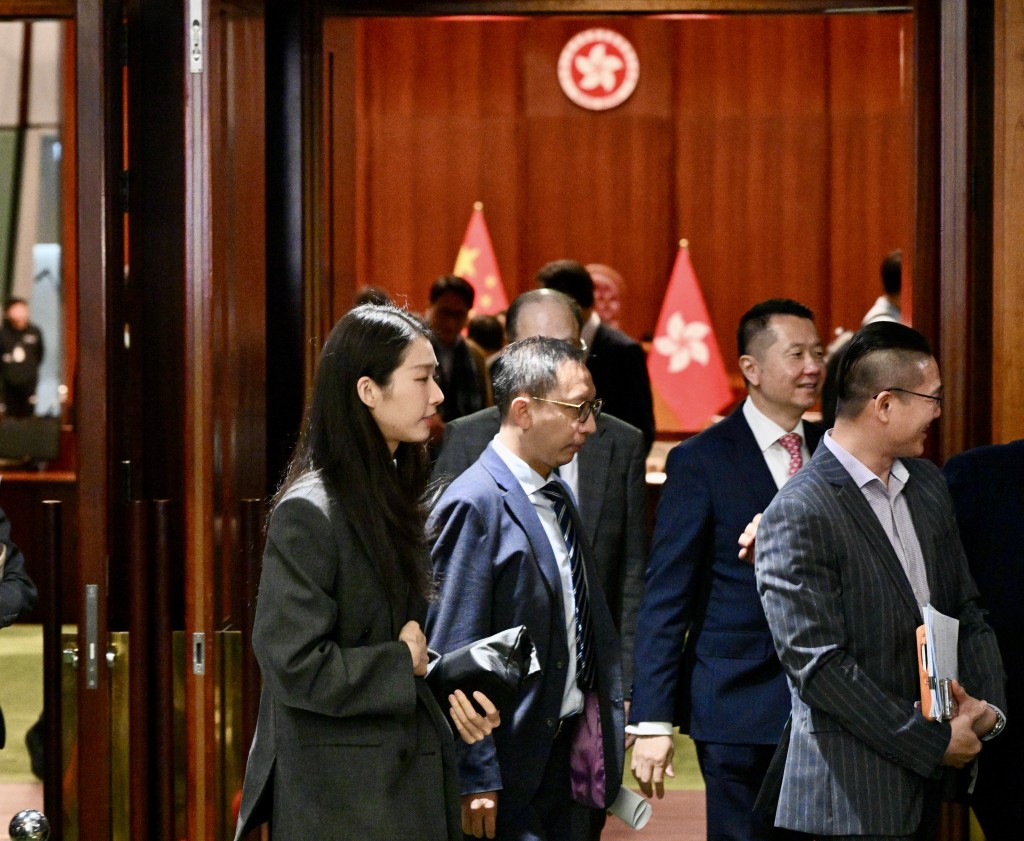
It has been reported that Think International School will cease operations on July 31, raising concerns from parents. Education Committee sector lawmaker Lawrence Tang Fei stated that there should be stronger regulations for schools deciding to shut down.
Speaking on a radio program on Wednesday, Tang noted that the schools or their sponsoring bodies might decide to cease operations at the last minute, resulting in delayed notification to parents. Tang believed stricter regulations were necessary.
He believes there is room to strengthen regulation, including requiring schools to immediately notify the Education Bureau upon decision of closure and to inform parents within a timeframe specified by the Bureau to facilitate student transfers.
International schools should be funded with caution
Tang stated that the parents from the Think International School have not filed complaints or sought assistance from the Bureau, suggesting that the situation appears to have been handled smoothly. The school has provided relatively clear explanations, attributing the closure to insufficient enrollment leading to unsustainable operations, and has assisted parents in transferring their children to other schools.
Tang pointed out that surveys conducted over the past two years by the Hong Kong Federation of Education Workers in collaboration with Hong Kong Top Talent Services Association show that parents under the "Top Talent Pass Scheme" tend to prefer enrolling their children in subsidized schools, including Direct Subsidy Scheme (DSS) schools, rather than international schools.
This suggests that the demand for international school places may not be as high as expected.
He further mentioned that the Education Bureau has long maintained that international schools primarily serve the children of overseas professionals. However, he questioned why well-established international schools with decades of operation are facing enrollment shortages if demand for such places is strong.
Tang further emphasized the need for careful allocation of spaces and enrollment in international and private schools.
Parents likely unable to redeem school bonds
Tang also highlighted the challenges in regulating the redemption of school bonds purchased by parents when a school shuts down. Unlike commercial company liquidations, there is no clear mechanism for compensation.
Tang urged the Education Bureau to establish clearer guidelines to protect parents' rights.
(Khan Heeba Lazmi)