Read More
Hong Kong's once-thriving dining scene is facing its toughest period in decades, with multiple well-established restaurant chains closing their doors in recent months.
ADVERTISEMENT
SCROLL TO CONTINUE WITH CONTENT
Iconic names like Ocean Empire Food Shop and Tai Pan have ceased operations, as local spending dwindles and residents increasingly flock to mainland China for cheaper alternatives.
Simon Wong Ka-wo, president of the Hong Kong Federation of Restaurants and Related Trades, painted a grim picture during a radio interview Saturday, revealing that business conditions have deteriorated beyond pandemic levels.
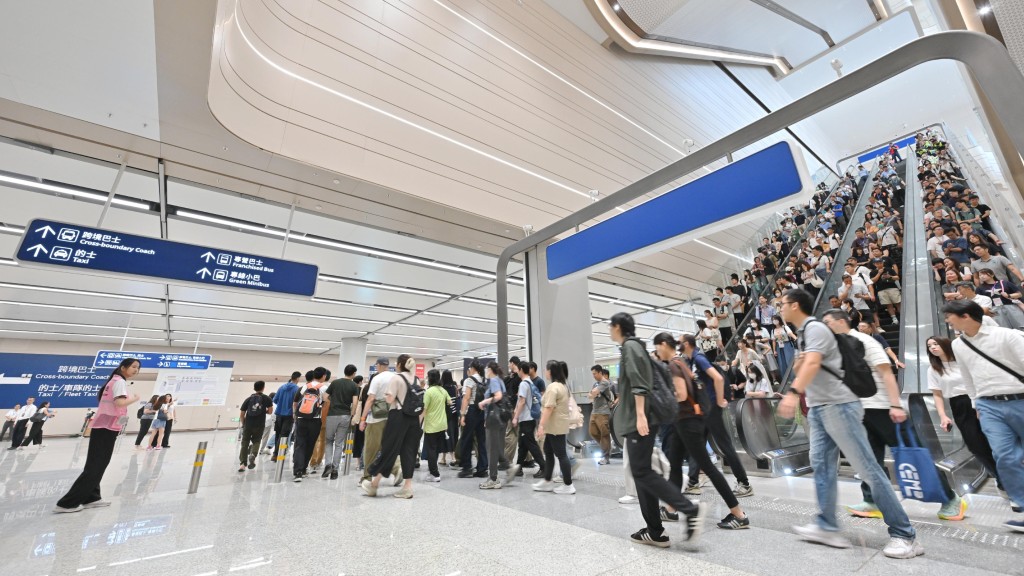
"Local customers traditionally account for 90 percent of restaurant revenue," Wong explained, "but with 600,000 to 700,000 residents crossing the border monthly - including 300,000 on weekends alone - many eateries are struggling to stay afloat."
The crisis stems from multiple factors: shrinking local spending, high operational costs, and weakened tourism.
Despite a post-pandemic rebound in visitor numbers, tourist arrivals remain 20 percent below pre-Covid levels of 60 million, with reduced per-capita spending further straining the industry.
While some landlords have reduced rents by 10-15 percent, Hong Kong's costs still far exceed those in neighboring Shenzhen and Greater Bay Area cities.
Wong described the stark reality facing many establishments: "Large restaurants sit empty all evening with just two or three tables - fewer than 20 customers total. How can any business operate under these conditions?"
He believes the northbound travel trend may be irreversible and urged the government to expand the multiple-entry permit scheme to cover more mainland cities, hoping to attract distant travelers to offset losses.
The wave of closures has left hundreds of workers unemployed, prompting lawmakers to demand action.
Kwok Wai-keung of the Federation of Trade Unions called for prioritizing displaced local workers before considering imported labor, while Lam Chun-sing of the Federation of Hong Kong and Kowloon Labour Unions highlighted concerns over unpaid wages and underemployment across the sector.