Read More
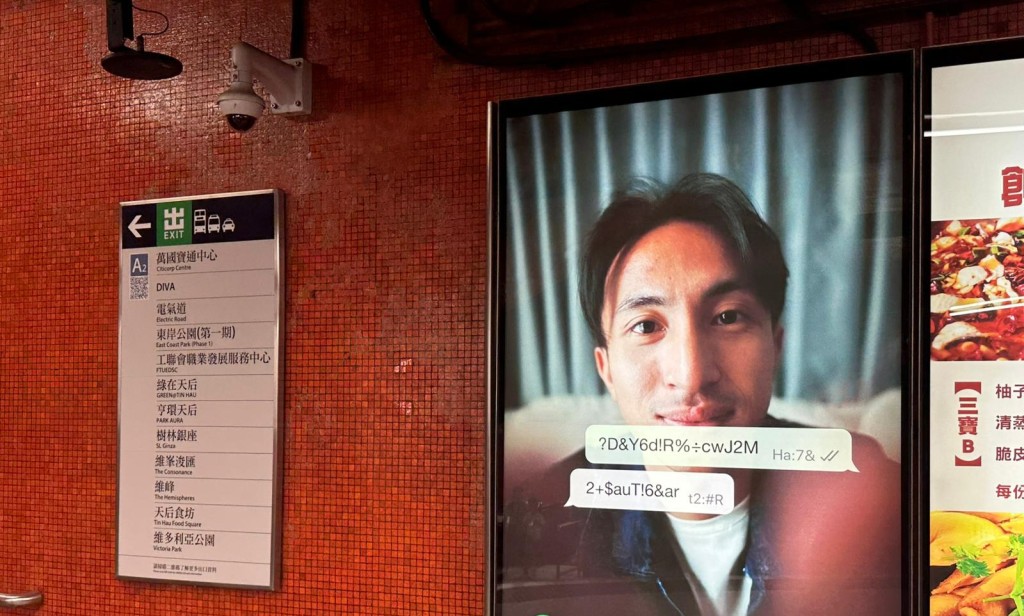
A mysterious advertisement at an MTR station featuring seemingly nonsensical text has gone viral, leaving commuters scratching their heads—until the clever marketing strategy behind it was revealed.
ADVERTISEMENT
SCROLL TO CONTINUE WITH CONTENT
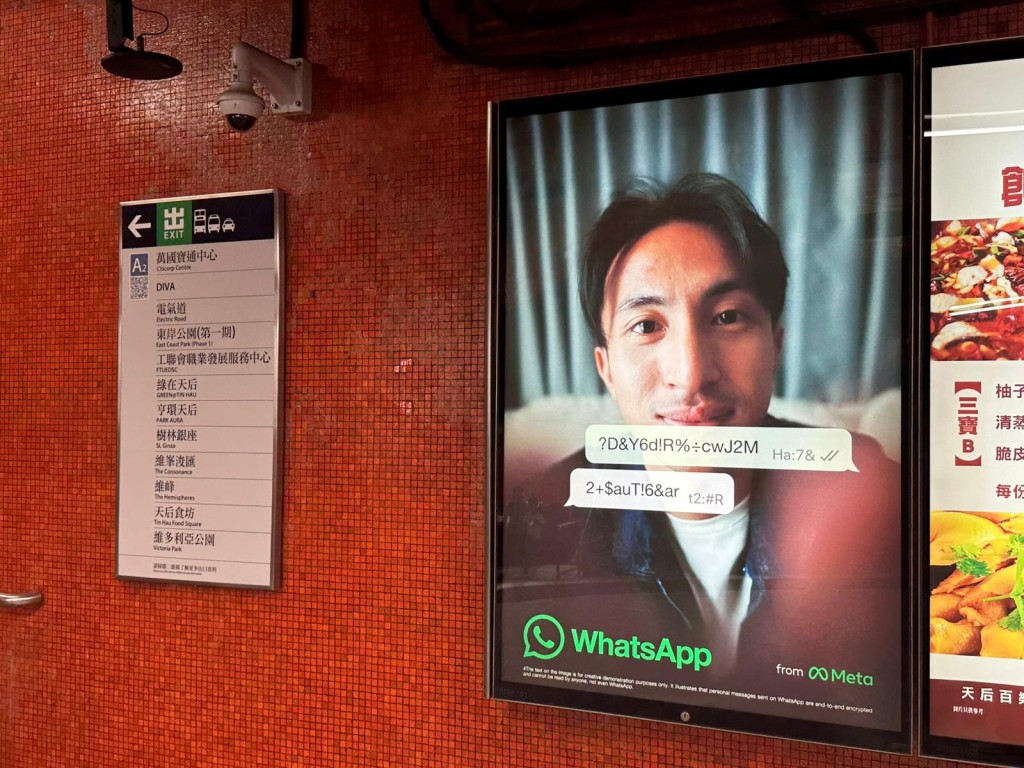
The eye-catching poster, shared by a netizen on Threads, shows a man staring at his phone screen displaying a WhatsApp conversation filled with garbled, unreadable text.
The puzzling content prompted netizens to question whether it was a production error, asking, "Is it just me who doesn't understand this, or is it actually a mistake?"
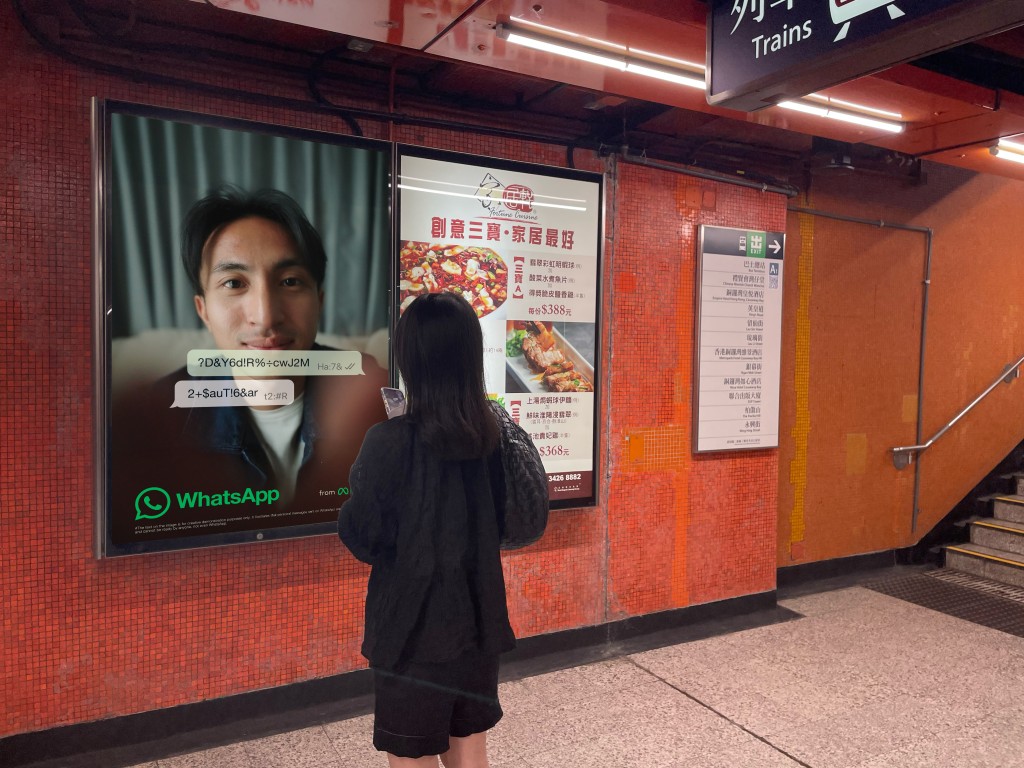
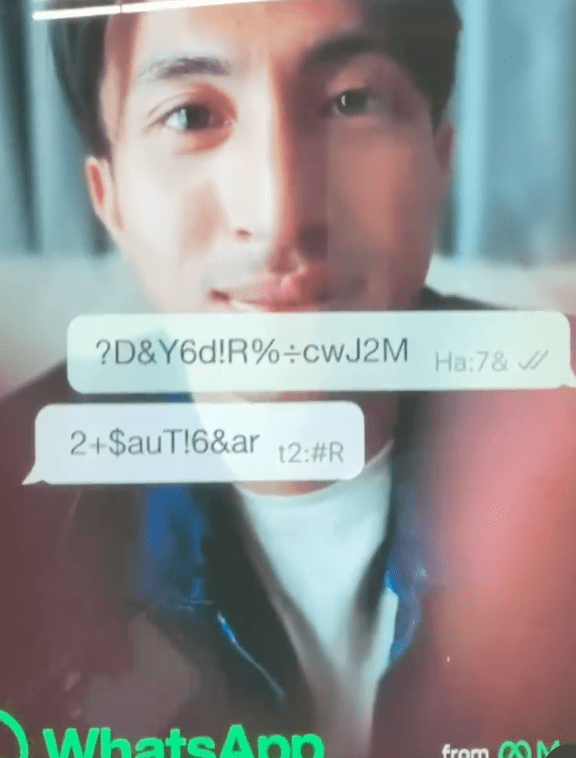
The ad quickly became a hot topic online, with speculation ranging from technical mishaps to conspiracy theories. Some wondered if MTR Corporation or WhatsApp had failed to proofread the content, while others jokingly suggested it might contain hidden messages.
However, the truth soon emerged: the "gibberish" was intentional.
The campaign, titled "Message Privately with Everyone," is part of WhatsApp’s effort to promote its end-to-end encryption technology.
The scrambled text visually represents how messages appear to third parties—unintelligible and secure—highlighting that even WhatsApp itself cannot access users' private conversations.
The creative approach has drawn mixed reactions. Some praised the campaign for sparking discussion while effectively conveying WhatsApp’s privacy features.
"It’s smart—it got people talking while showcasing its key advantage," one commenter noted.
Others, however, questioned whether the abstract concept was too vague for mass advertising.
"Shouldn’t an ad communicate its point within three seconds?" a skeptical netizen asked. "At first glance, it doesn’t grab attention or make me curious enough to dig deeper."
Despite the divided opinions, the campaign has undeniably achieved its goal: generating buzz. Whether through confusion or curiosity, the ad has successfully turned heads and stirred conversation about digital privacy—proving that sometimes, the most puzzling messages are the ones worth decoding.
(Marco Lam)