Read More
The Transport Department has been gradually upgrading the electronic audible traffic signals (eATS) across the city since April, with a total of 13,000 new units expected to be installed by the end of 2027 to enhance accessibility for visually impaired individuals.
ADVERTISEMENT
SCROLL TO CONTINUE WITH CONTENT
Chief engineer of the Traffic Control Division of the Department Gordon Kwok Ka-chun underlined the importance of the eATS renewal, citing a rising failure rate as most of the devices have been in operation for over 20 years.
Kwok noted that the replacement process began mid-April, with 27 old devices replaced.
The installation prioritized areas with a high concentration of visually impaired individuals and residential homes, as well as locations with severely damaged devices, including the Yau Tsim Mong district and Sham Shui Po.
New features to ensure safe crossings
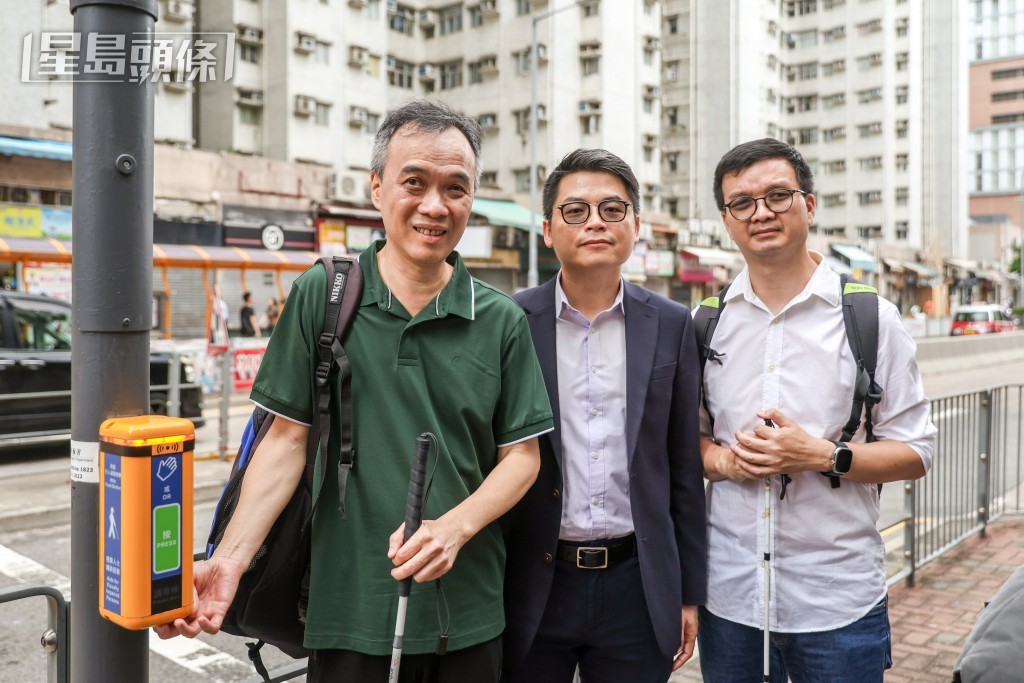
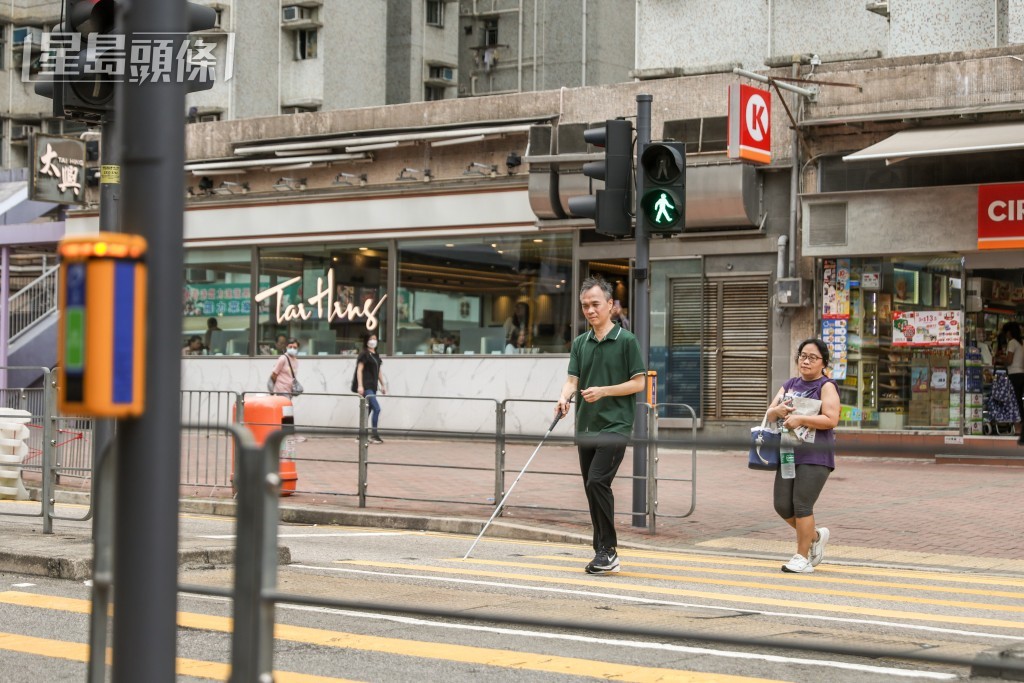
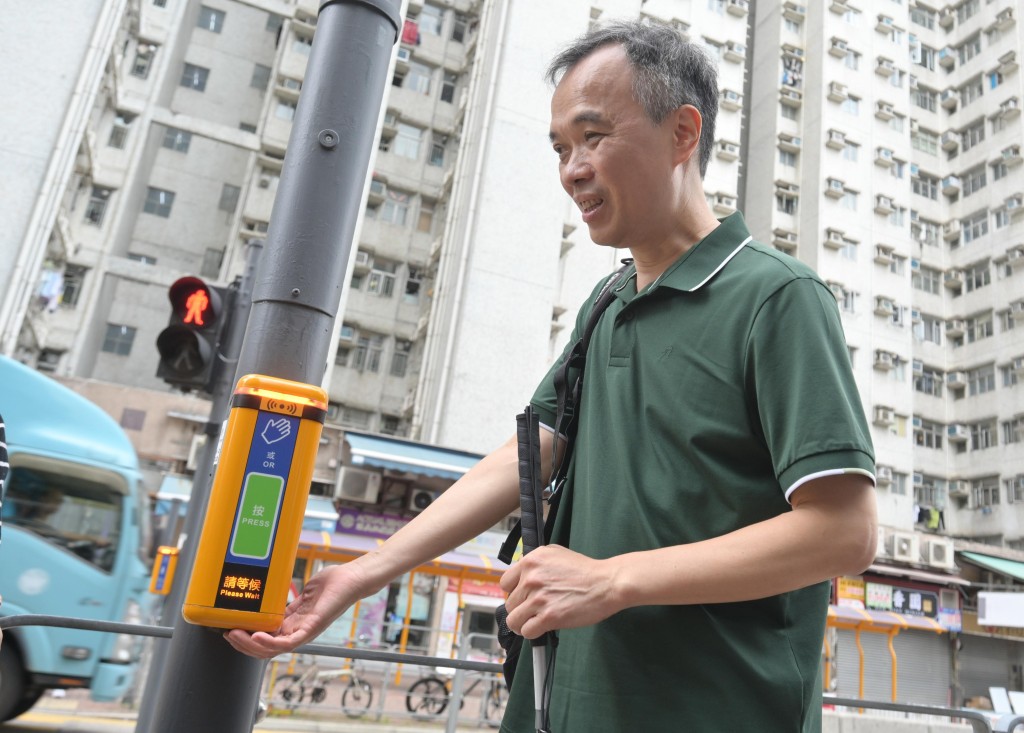
The new eATS feature grey and blue panels equipped with audible units and vibration components. The blue-panel devices further include a push button for pedestrians to activate a green crossing signal sooner.
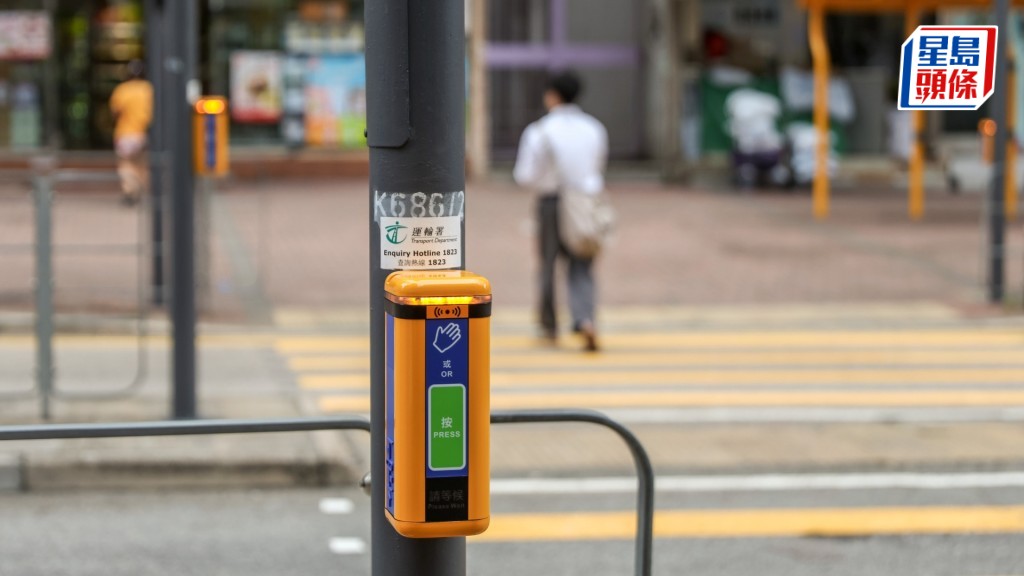

Additionally, the new generation of eATS includes a light illumination unit at the top of the devices to assist individuals with low vision locate the pedestrian crossing.
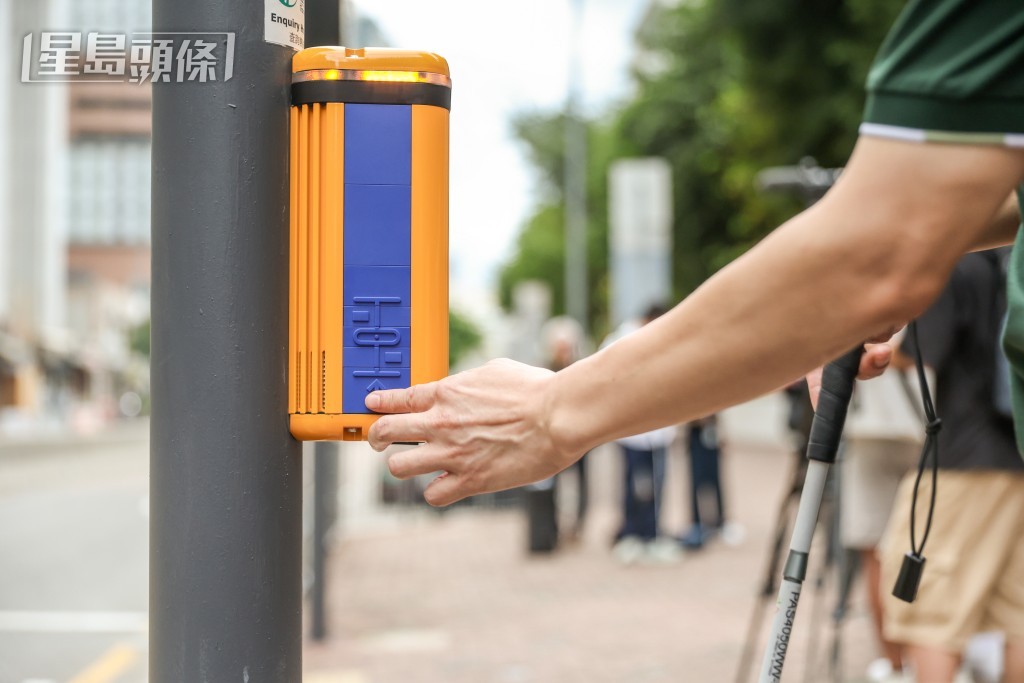
The devices also come with a tactile map to provide layout information of the crossing, a contactless pedestrian push button sensor, as well as a voice message function to read out the names of streets near the crossing in Cantonese, Putonghua and English.
Moreover, the new devices include a new nighttime operation mode, allowing for flexible volume adjustments. Users can temporarily increase the volume from 60 dB to 75 dB using dedicated wireless devices or mobile applications, ensuring safe crossings at night.
To facilitate the new function, Kwok mentioned that 15,000 dedicated wireless devices will be distributed to help visually impaired individuals control the volume when needed.
Longer lifespan of new devices
Regarding the cost and maintenance of the new devices, Kwok stated the new eATS cost around HK$98 million and are projected to have a longer lifespan, which is expected to reduce the maintenance costs.
Kwok pointed out that most current devices have exceeded their normal lifespan, necessitating annual replacements of 500 to 900 units due to a 4 to 7 percent fault rate.
The wireless devices for controlling the volume cost approximately HK$400 each, but Kwok noted that they will be provided for free to 15,000 visually impaired individuals for the first time.
If a replacement is needed, users must acquire it from the supplier at their own expense.
Positive feedback from the community
Lee, who is visually impaired, praised the upgraded facilities for improving accessibility, noting that Hong Kong has a higher proportion of visually impaired individuals than the global average.
Following the test on Tuesday, Lee expressed confidence that the new nighttime operation mode would effectively assist visually impaired individuals in navigating safely at night.
A pedestrian surnamed Huen supported the initiative to enhance the accessible services, believing that the new devices would not create excessive noise disturbances for the general public but would provide helpful reminders for all pedestrians.