Read More


Morning Recap - September 17, 2026
3 hours ago






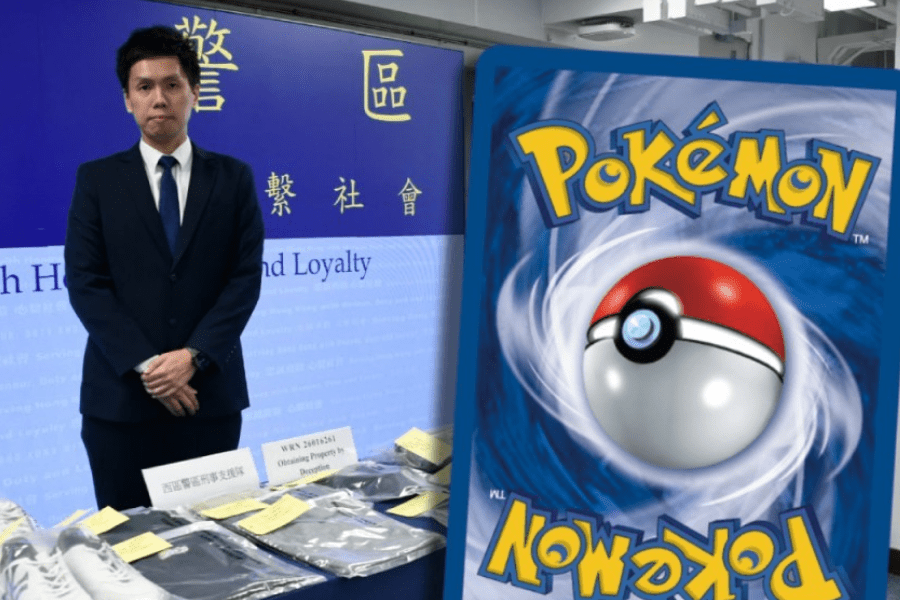
Four arrested over Pokémon card scams involving $101,000
15-09-2026 18:26 HKT


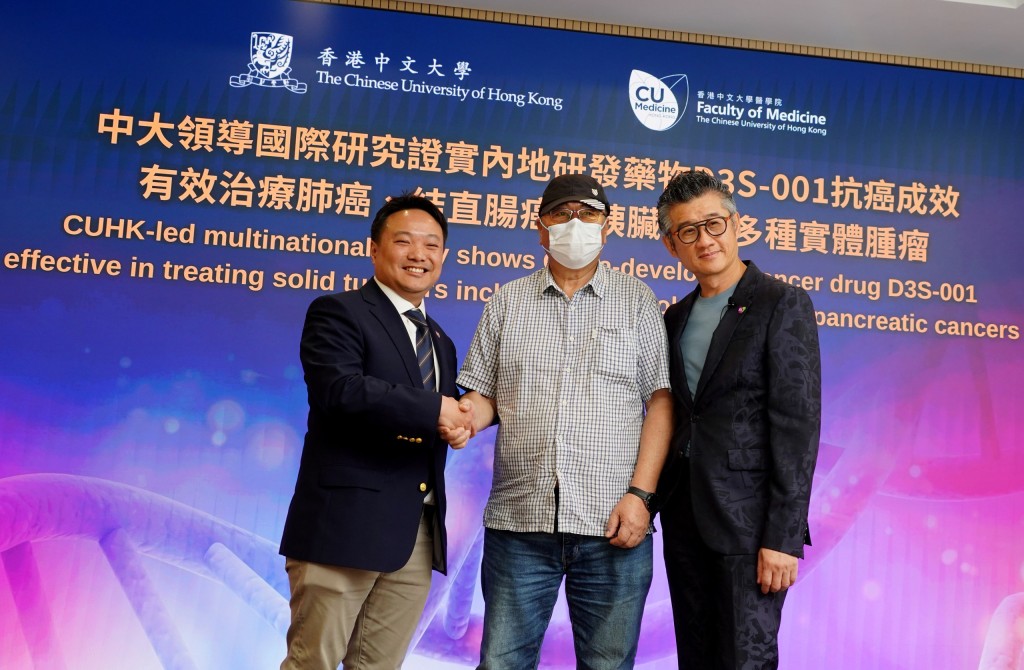
A newly developed mainland cancer drug, D3S-001, shows promise against multiple hard-to-treat cancers, including lung and bowel cancer, according to a multinational research team led by the Chinese University of Hong Kong.
This next-generation cancer inhibitor effectively targets KRAS-G12C, a subtype of KRAS gene mutations that frequently drive tumor growth in various solid cancers, the team found.
In clinical trials involving approximately 60 cancer patients, researchers from South Korea, Australia, the US, mainland and Hong Kong observed that a daily 600 milligram dose of the medication could completely suppress genetic mutations.
Seventy percent of patients experienced significant tumor shrinkage or even complete disappearance, with no disease progression observed after six months. The treatment also demonstrated a favorable safety profile.
Herbert Loong Ho-fung, Associate Professor in the Department of Clinical Oncology at CU Medicine, said: “The most common side effects [of this drug] include vomiting, nausea, and diarrhea, but they are generally mild and typically don’t require medication, medical consultation, or hospitalization."
Yu, a 68-year-old lung cancer patient, shared that his tumor has shrunk significantly and his overall health has improved after joining this clinical trial.
“Now I can climb two or three flights of stairs without stopping. Before [the treatment], I would get winded after just half a flight,” Yu said.
“Data from this multinational phase I study has demonstrated higher efficacy of this next generation KRAS-G12C inhibitor, and more so, we have shown the unique position of Hong Kong working with novel biotechnology companies from China in leading global development,” said Chairman of the Department of Clinical Oncology at CU Medicine Tony Mok Shu-kam.
Noting that the drug remains under development and clinical trials ongoing, the research team encouraged eligible cancer participate in the study.
(Cheng Wong)