Read More
A Hong Kong woman has shared a distressing dining experience on social media after being falsely accused of skipping a bill at a well-known Chinese restaurant, prompting a public apology from the establishment two weeks later, though netizens remain skeptical of its sincerity.
ADVERTISEMENT
SCROLL TO CONTINUE WITH CONTENT
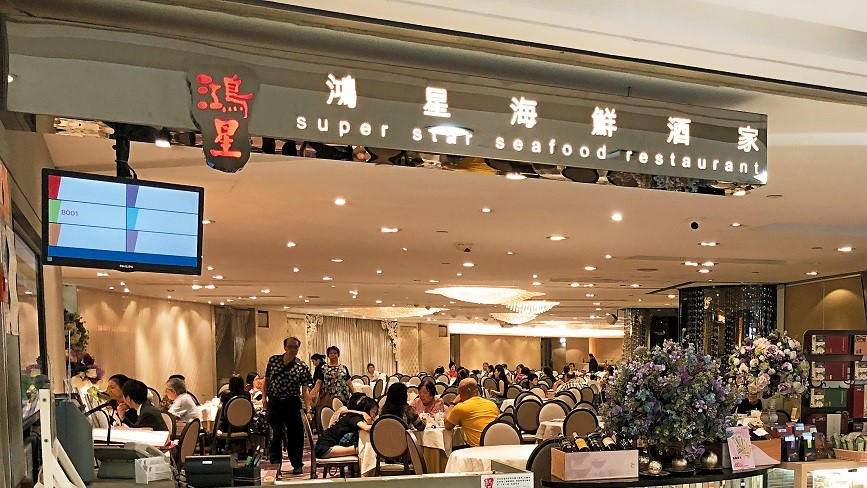
The incident occurred on April 29 at Super Star Seafood Restaurant in Mong Kok’s MOKO shopping mall. The woman, surnamed Chan, was having lunch with colleagues when a waitress approached her, claiming she looked familiar and accusing her of leaving without paying a “more-than-HK$1,000” bill two weeks prior.
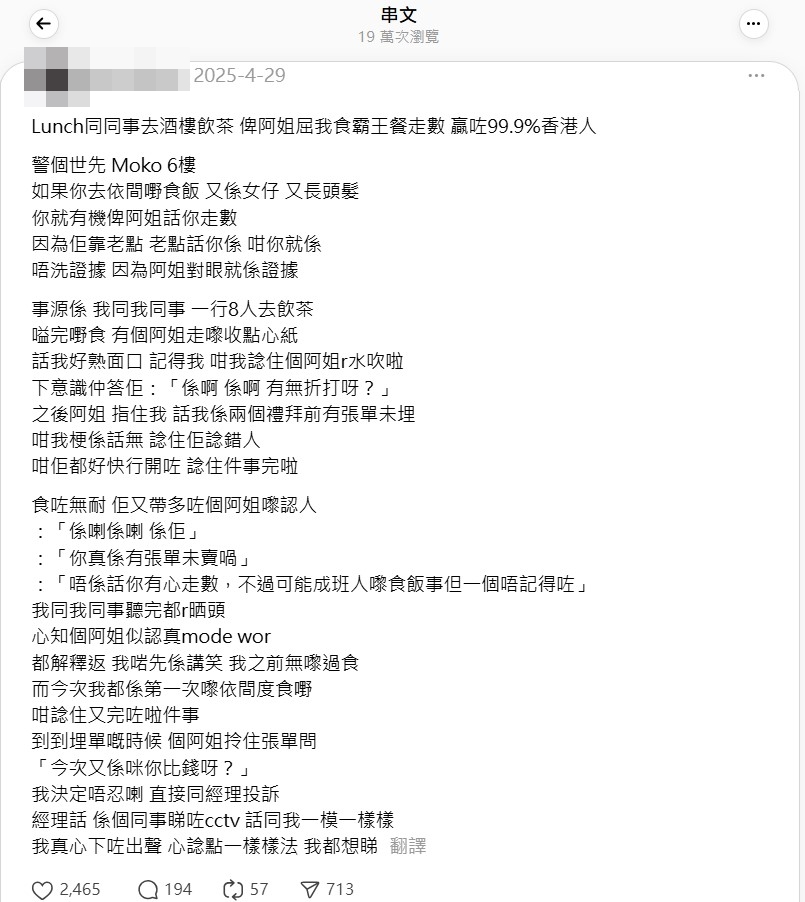
Chan’s Threads post detailing the ordeal went viral.
Chan immediately dismissed the accusations, yet the waitress insisted, "You’re the one who didn’t pay last time." Another staff member soon joined, both pointing at Chan and repeating the accusation.
Despite Chan’s protests that it was her first visit, the staff implied she might have "forgotten" to pay in a group setting.
The confrontation escalated at checkout when a server sarcastically asked, "Are you paying this time?" Chan demanded to see CCTV footage cited by the manager as "proof," but was refused due to "privacy concerns."
After police were called, the manager revealed that the earlier unpaid bill was "covered by the staff."
Public backlash
Chan’s Threads post detailing the ordeal went viral, with many criticizing the restaurant for its handling of the incident.
On May 12, the restaurant group issued a public apology to "Ms. Chan," vowing to improve staff training - yet netizens noted it failed to clarify her innocence or disclose disciplinary actions.
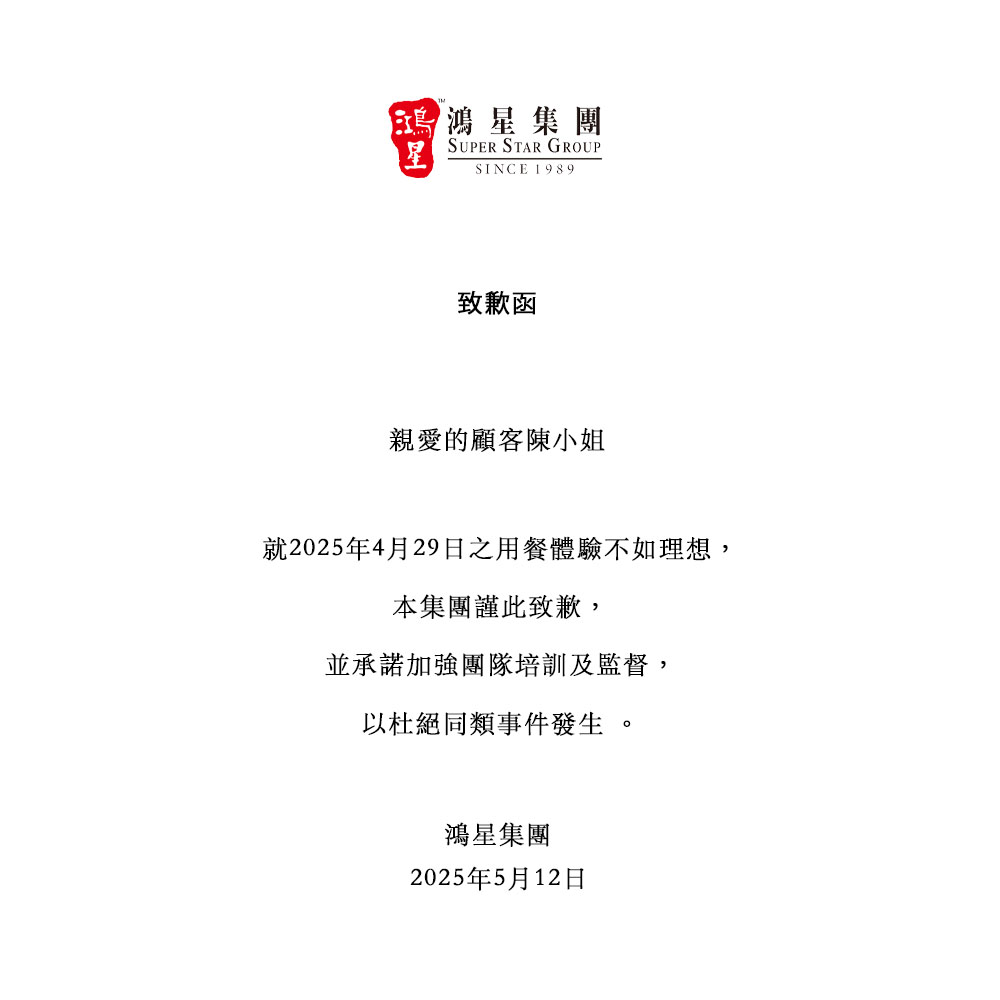
The restaurant group issued a public apology to 'Ms. Chan,' vowing to improve staff training.
"A half-hearted apology doesn’t undo defamation," one comment read. Others questioned why no employees were fired, while some praised the chain for addressing the controversy.
Police confirmed they received a report and noted that no further police action is required. Legal experts, meanwhile, suggest defamation claims could arise if reputational harm is proven.