Read More




Morning Recap - June 12, 2026
6 hours ago





Mother and daughter die in successive falls from same Tai Koo Shing block
11-06-2026 00:05 HKT
100 y/o biologist David Attenborough shares 4 longevity habits
07-06-2026 12:00 HKT


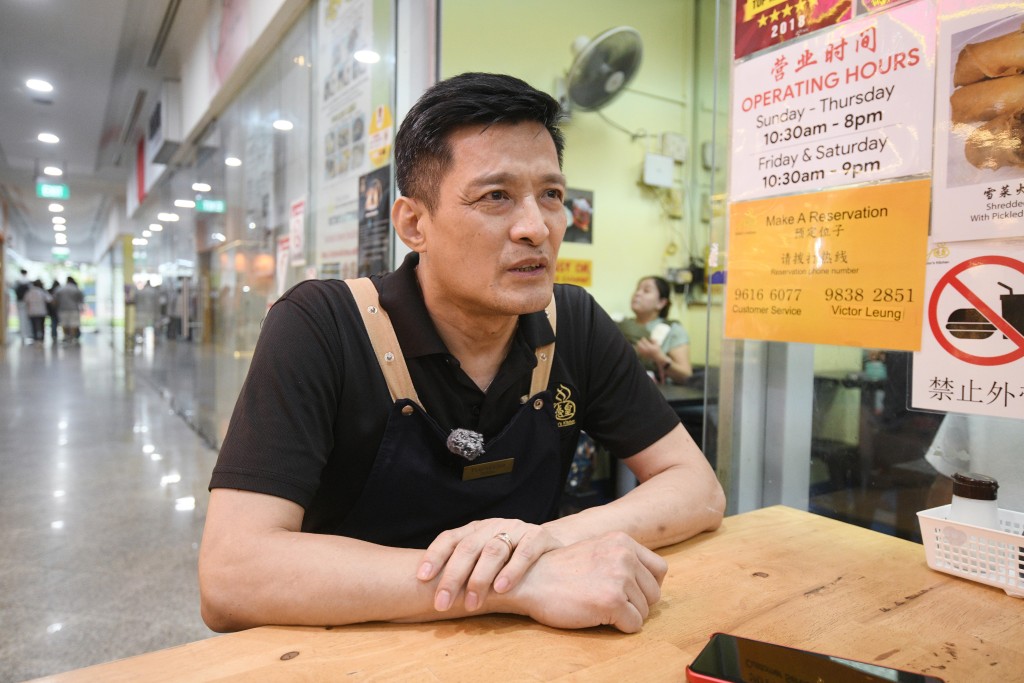
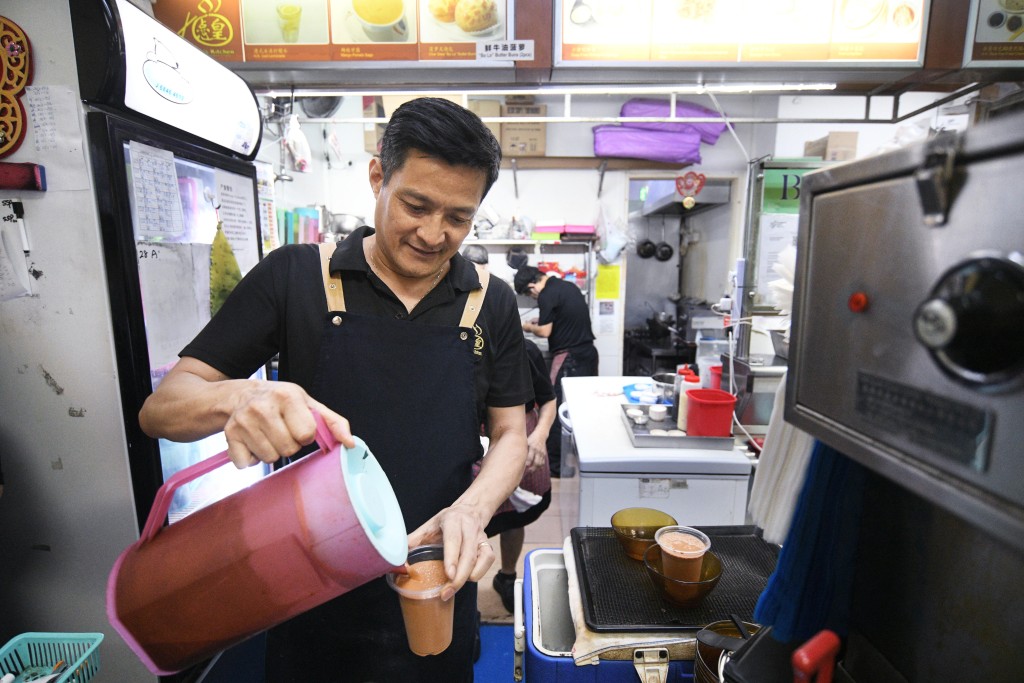
Hong Kong and Singapore have been recognized as principal competitors; however, a Hong Kong immigrant who operates a restaurant is contemplating a return to Hong Kong owing to escalating taxes and inflationary pressures.
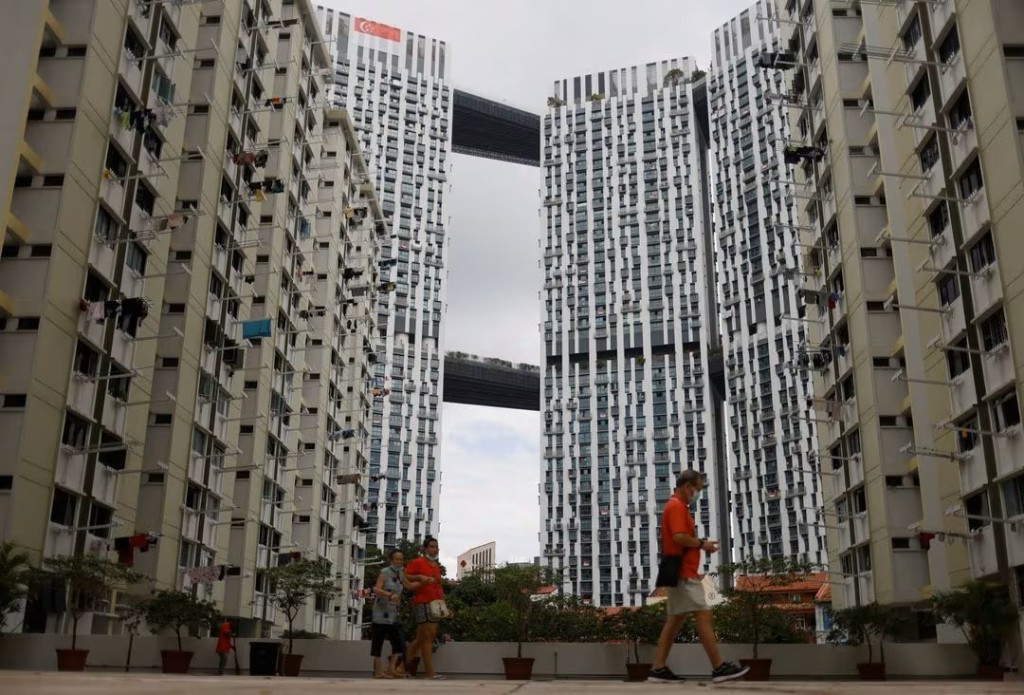
Recent reports indicate that Singapore's inflation rate has been on an upward trajectory since 2021, culminating in a peak of 6.1 percent in 2022. While core inflation decreased to a four-year low of 0.5 percent in March, residents continue to experience elevated living costs.
A dim sum restaurant owner who immigrated to Singapore in 2003, surnamed Leung, pointed out that the government has raised the consumption tax from 7 percent to 9 percent over a span of four years.
Although a 1 percent annual increment may appear negligible, Leung emphasized that the policy has substantially impacted market conditions. For instance, a bucket of cooking oil, which previously cost S$20 (approximately HK$120), now ranges between S$30 and S$40 (around HK$180 to HK$240).
Furthermore, Leung reported that the rental costs for accommodations designated for foreign workers have escalated from S$200 (about HK$1,200) to over S$400 (approximately HK$2,400), further straining business operations.
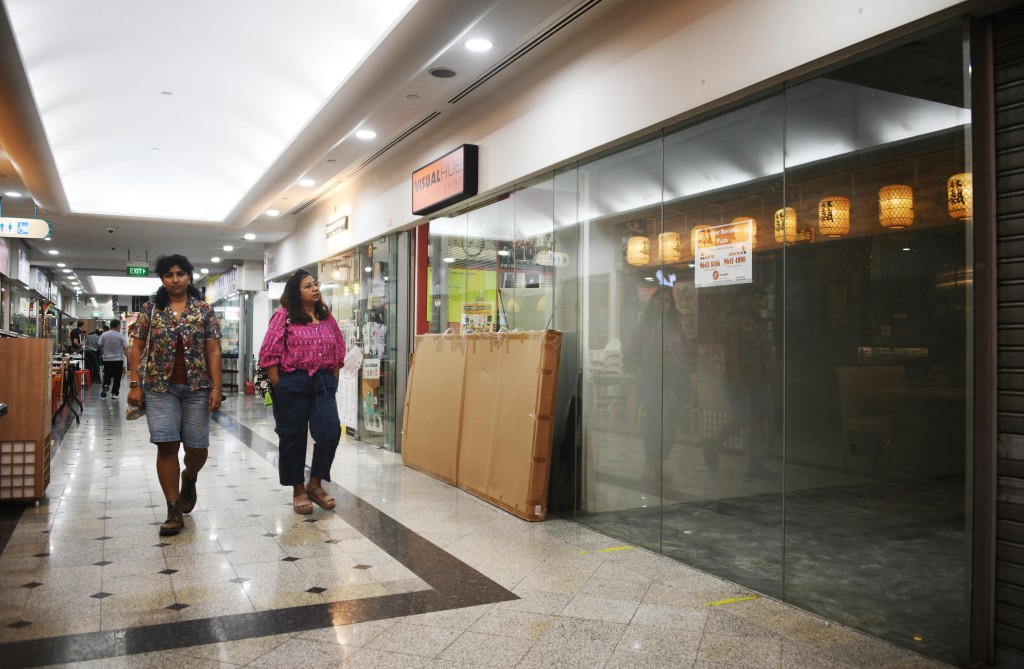
He also observed that Singaporeans are less enthusiastic about dining out post-pandemic. Due to diminished customer traffic, his restaurant now closes before 9pm on weekdays.
As operational and living costs continue to rise, Leung noted that many of his friends have returned to Hong Kong. He is also contemplating retirement and the acquisition of property in Hong Kong, as he finds that the lifestyle in Singapore is not conducive to his preferences.
Leung stated that his family of four frequently incurs expenses of S$200 (approximately HK$1,200) for dinner, including the 9 percent consumption tax and a 10 percent service charge.
Despite the high real estate prices, the spacious government housing units available in Singapore appeal to many Hong Kong immigrants, considering that a 700-square-foot three-bedroom unit is priced at around S$400,000 (approximately HK$2.4 million).
Economist Simon Lee Siu-po has remarked that although Singapore's economy has shown signs of recovery due to a resurgence in foreign investments, the high cost of living persists.
He highlighted that a considerable influx of foreign capital has found its way to Hong Kong following the city's return to normalcy.
CUHK associate economics professor Terence Chong Tai-leung described Singapore's economy as struggling, with fluctuating GDP growth.
He noted the challenges arising from increased tariffs imposed by the United States have particularly affected Singapore's export-oriented economy.
Conversely, Chong pointed out that Hong Kong benefits from the mainland market, which serves as a stabilizing force for its economic growth and overall stability.
(Phoebe Poon)