Read More


Night Recap - April 3, 2026
7 hours ago


Iran demands transit fees in yuan, stablecoins for Strait of Hormuz passage
03-04-2026 02:45 HKT
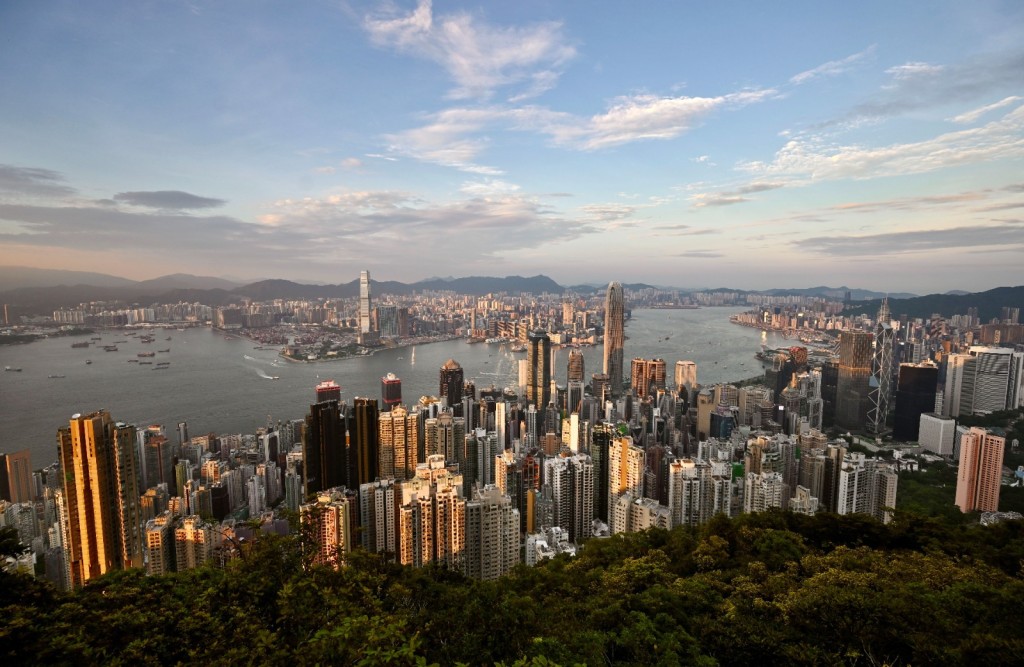
Ten geographical constituencies to replace the existing five were laid out as officials announced Beijing-imposed electoral changes on Hong Kong.
The Executive Council passed the 700-page electoral amendment bill, to be tabled today in the Legislative Council for first and second readings.
The bill spelled out details for the Election Committee election on September 19, the Legco election on December 19 and the chief executive election on March 27.
Voter registration for geographical constituency electors will close on May 2, while functional constituency electors can submit registration by July 5.
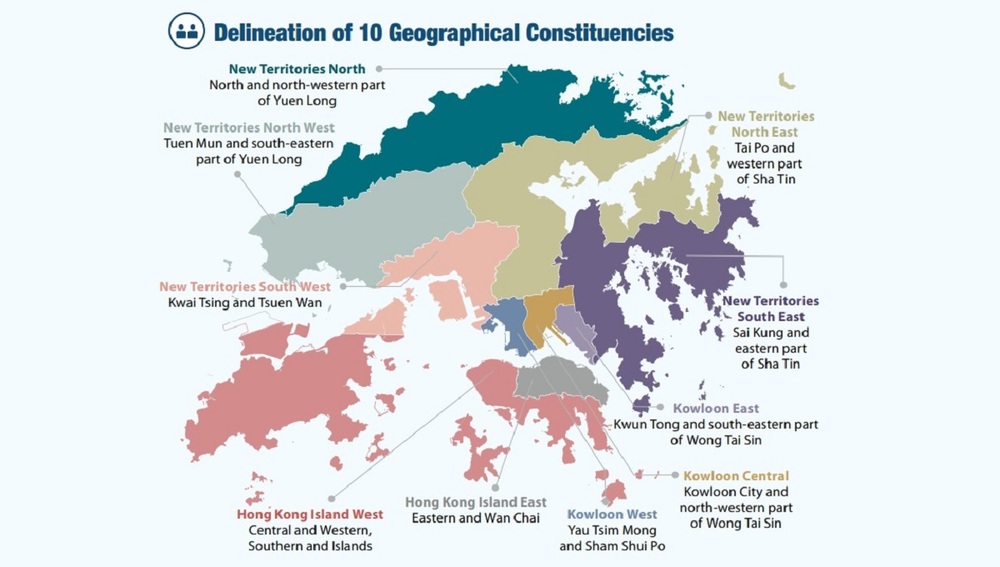
A total of 10 geographical constituencies will be carved out for 20 Legco seats: five in the New Territories (New Territories North, North West, South West, North East and South East), three in Kowloon (Kowloon East, Central and West) and two on Hong Kong Island (Hong Kong Island East and West).
Each constituency will get two Legco seats while a double-seat, single-vote system will be adopted in which the two candidates in each constituency who obtain the greatest number of votes will be elected.
The setup will replace the five geographical constituencies for 35 Legco seats, with New Territories East and West accounting for the most of 18 seats.
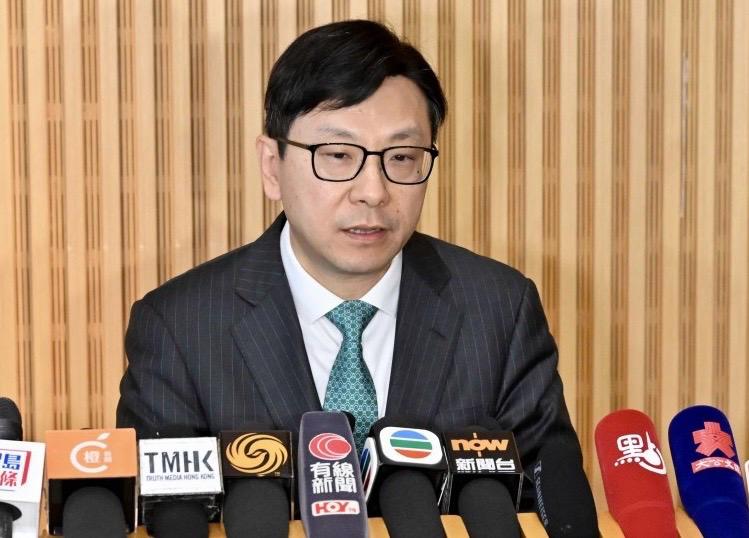
At a press conference yesterday, Chief Executive Carrie Lam Cheng Yuet-ngor said the government has been following the established rules when organizing the geographical constituencies.
"An easy way to do it is to merge the much smaller constituencies that made up the district councils, and also take into account the size of the population," she said.
"It would not have a district that is too huge, too large and another one which is too small."
Permanent Secretary for Constitutional and Mainland Affairs Roy Tang Yun-kwong said authorities also tried not to cut apart the districts when dividing constituencies.
However, voters in Yuen Long, Sha Tin and Wong Tai Sin will be split into different constituencies due to population distribution.
Each constituency will have a population of 660,000 to 820,000. Hong Kong Island West has the smallest while New Territories South West has the largest.
For the new 40 Election Committee constituency seats, each Election Committee member must select 40 candidates from the committee. The 40 candidates who obtain the greatest number of votes will be elected as lawmakers.
A first-past-the-post method will be applied to the functional constituencies election, which accounts for 30 Legco seats. Only the labor sector will have three seats; the rest will each have one seat.
More details were revealed about which groups can elect the 1,500 members of the Election Committee, which is also responsible for choosing the chief executive.
Representatives of national laboratories will be included in the Election Committee, as well as associations of Chinese fellow townsmen, and representatives of associations of Hong Kong residents in the mainland.
Grassroots associations such as the Hong Kong Island Federation, the Kowloon Federation of Associations and the New Territories Association of Societies will also be included. The committee will also have Hong Kong representatives of national organizations like the All-China Women's Federation, the All-China Federation of Industry and Commerce and the China Overseas Friendship Association.
Unions must have operated for at least three years before they are eligible. Groups that are not listed in the law also need to obtain qualifications for more than three years before becoming corporate voters.
Lam said members of the candidate eligibility review committee, responsible for vetting candidates in the three elections, will be principal officials appointed by her, including a chairman and two to four members.
But some non-officials who are "community leaders" will also be appointed to the vetting committee.
She said the amendments to the bill came after the government listened to public views on increasing credibility of the committee.
Lam believed it was not difficult to find people who were "capable with integrity, and also a patriot" in Hong Kong to be appointed to the vetting committee.
She also said if an incumbent chief executive is running for re-election, he or she should avoid attending relevant meetings of the Committee on National Security when discussing the eligibility of chief executive candidates.
"That could be seen as a more direct conflict of interest, because the CE will be in a position that he or she could disqualify other candidates.
"So I will make a rule - not in the legislation - but I will make it very clear now, that it is my view that any incumbent chief executive - if he or she is seeking another term through election, then this incumbent chief executive should not get himself or herself involved in that particular discussion at the national security committee."
sophie.hui@singtaonewscorp.com