Read More





Night Recap - September 28, 2026
14 hours ago




HK faces week of extreme heat with temperatures soaring to 34 degrees
28-09-2026 03:01 HKT
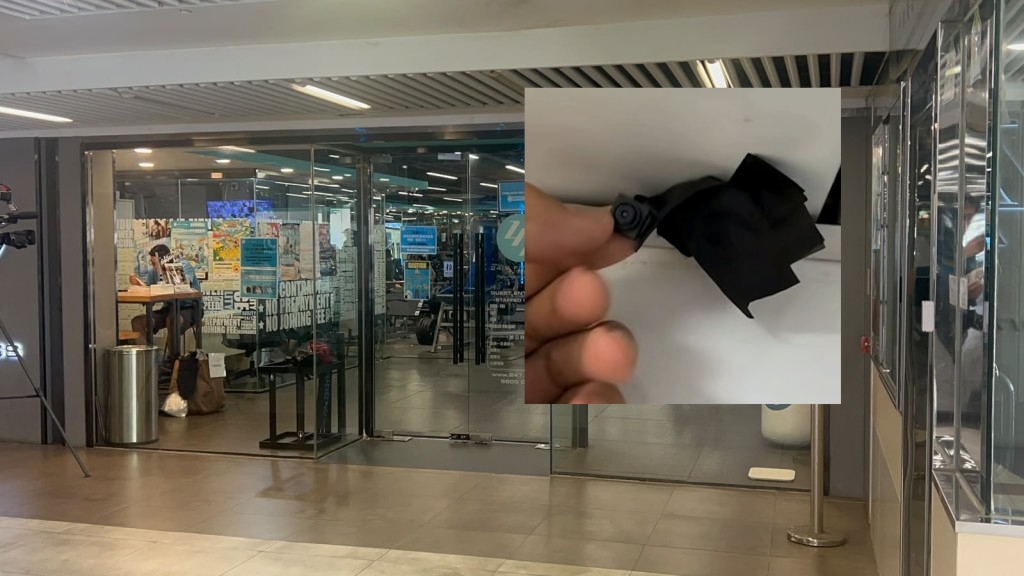
Gym spy camera suspect identified as construction foreman
28-09-2026 11:19 HKT
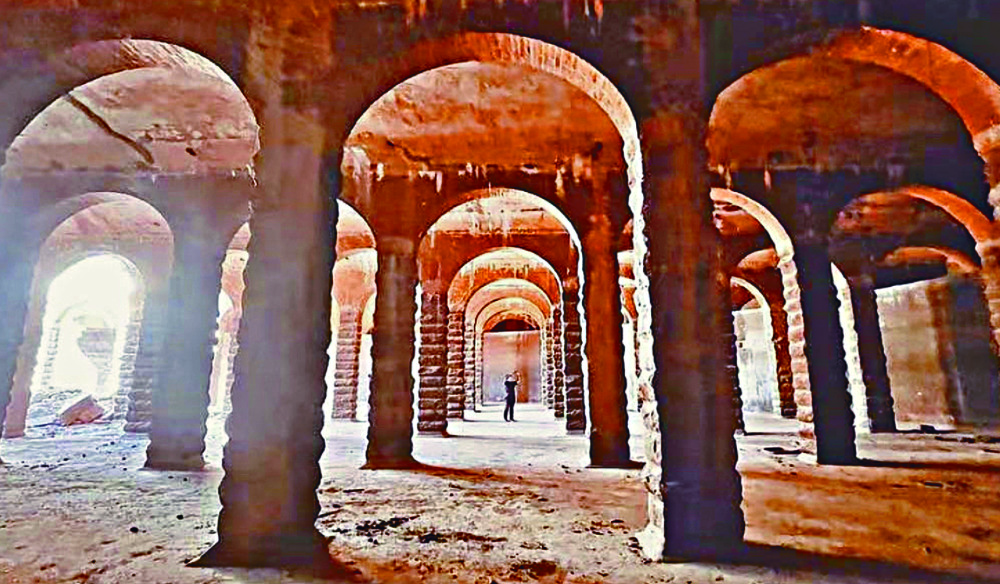
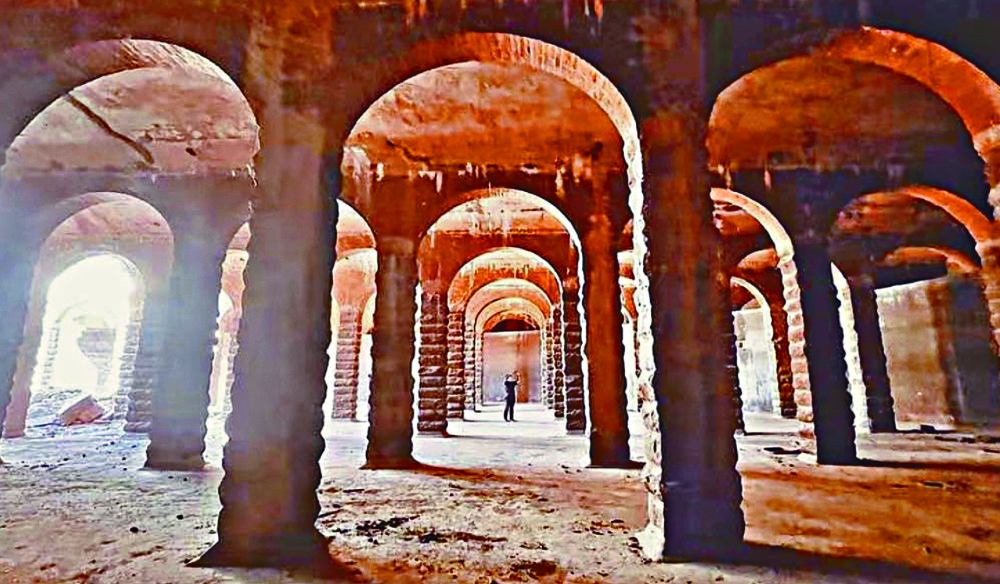
The Bishop Hill cistern should get a very high grading when the Antiquities Advisory Board gives its preliminary recommendation next month, the board's head, Douglas So Cheung-tak, says.
The Romanesque-style cistern in Shek Kip Mei, built in 1904 with 100 stone pillars, was unearthed last December, causing authorities to halt demolition work amid a public outcry.
In an online forum yesterday, So said the board is planning to give a preliminary recommendation on the Bishop Hill cistern by next month.
"I expect it to get a very high grading, and I would therefore like to call on the public to provide their opinions within the one-month consultation period," So said.
"The government has to carefully consider how to conserve this ancient reservoir, and I have to emphasize that this type of construction is closely connected to Hong Kong's population and community development."
Apart from the Bishop Hill cistern, three old reservoirs - Albany, Mount Gough and the Peak service reservoirs, which are in the Mid-Levels and The Peak and are still in use - will be graded this year too, So said.
Meanwhile, the Water Supplies Department told district councilors that it is considering partly opening the Bishop Hill cistern for public visits as it promises to preserve the structure.
At the Sham Shui Po District Council meeting yesterday, councilors criticized government departments for communication failures over the conservation of historic structures, leading to the cistern on Bishop Hill being damaged before construction was halted.
They voted unanimously to call on the government to disclose the construction and conservation plans for the cistern. They also slammed the Antiquities and Monuments Office for not sending a representative to attend the meeting and respond to inquiries.
Lau Pui-yuk of the Democratic Alliance for the Betterment and Progress of Hong Kong said: "There is insufficient communication between the WSD and the AMO. I really wonder what information the WSD provided to the AMO for the heritage assessment."
Kalvin Ho Kai-ming of the Hong Kong Association for Democracy and People's Livelihood criticized the Antiquities Office for attempting to shift the blame to the WSD.
"This incident could have been avoided. Judging solely by documents, we can already know the reservoir on Bishop Hill was built in 1904," he said.
WSD chief engineer Ho Lai-wa said his department had only a few construction drawings and photos of the cistern.
"The earliest document we could retrieve was a construction drawing for the maintenance of the cistern in 1950.
"All demolished materials are being kept and will not be processed before the AMO finishes grading. The most important task is to finish temporary works for reinforcing the structure, and we will study possibilities to partly open the site to the public," said Ho Lai-wa.