Read More
Wallis WangSeven square meters of a Hong Kong oyster reef can filter up to one Olympic-sized swimming pool of water in a day, according to the research conducted by University of Hong Kong's Swire Institute of Marine Science and environmental organization The Nature Conservancy.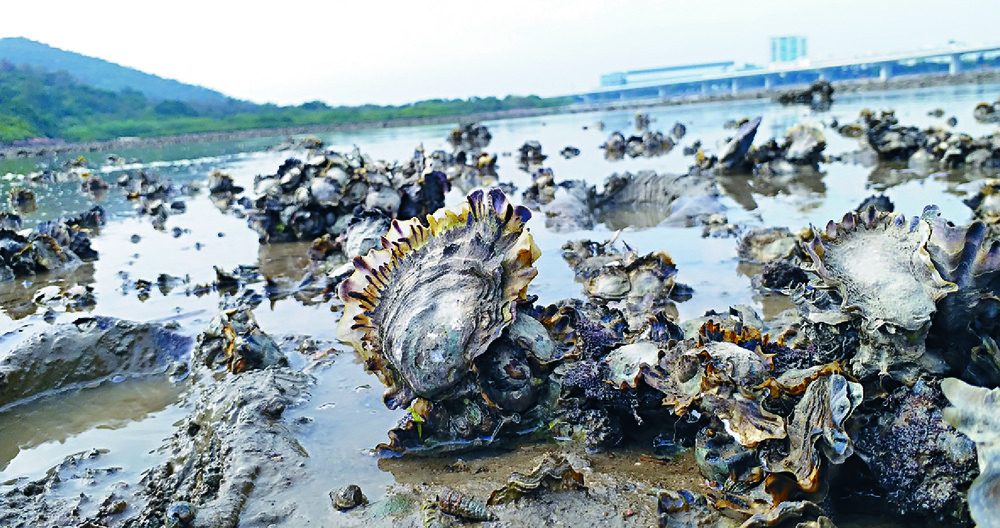
A university study has found that a single Hong Kong oyster can filter up to 30 liters of water per hour at summer temperatures, with researchers emphasizing the importance of restoring the city's lost oyster reefs.
ADVERTISEMENT
SCROLL TO CONTINUE WITH CONTENT
"Most people associate oysters with food, but less well known is that oysters create reef habitats that support coastal marine life," Marine Thomas, conservation project manager at The Nature Conservancy said.
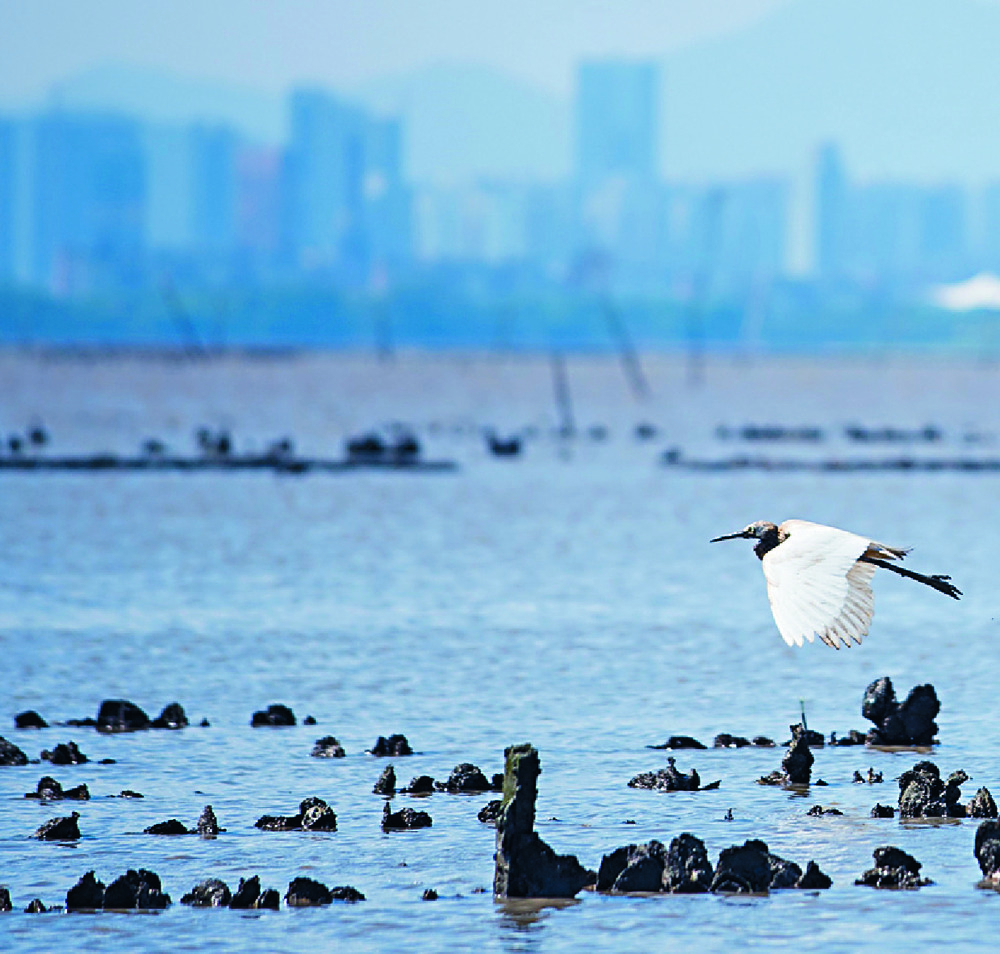
Hong Kong was once home to oyster reefs and other shellfish reefs, but the population of shellfish has fallen sharply in the last 150 years due to over-exploitation, coastal reclamation and pollution.
The study found that oyster reefs provide habitat and nursery grounds for many native species in Hong Kong that would otherwise have died out.
Researchers also found that oyster reefs house six times more species than bare muddy shores.Of over 80 species found on the shores of Deep Bay, 95 percent were found in oyster reefs, researchers said, adding that almost 60 percent of the species were exclusively found in those reefs.
The study also found that restoration of oyster reefs in Hong Kong could be achieved without human intervention.In some parts of the world, restoration could only be achieved through transplanting juvenile oysters cultivated in hatcheries into the wild.
"We think that this recruitment is because traditional oyster farming in the Pearl River Delta has maintained population of native oysters in the system in spite of the loss of oyster reefs and these farms could potentially act as a source of larvae," said Bayden Russell, associate professor in the research division for ecology and biodiversity at HKU.But Thomas warned that human activity could still affect the restoration of reefs.
"Shellfish habitats are still severely under-protected in Hong Kong, with very little public awareness of their ecological value. Wild harvesting is a huge problem - as soon as oysters or mussels are big enough to eat, someone will harvest them," Thomas said.wallis.wang@singtaonewscorp.com