Read More










Cathay Pacific and HK Express to cancel flights amid soaring fuel prices
11-04-2026 17:29 HKT
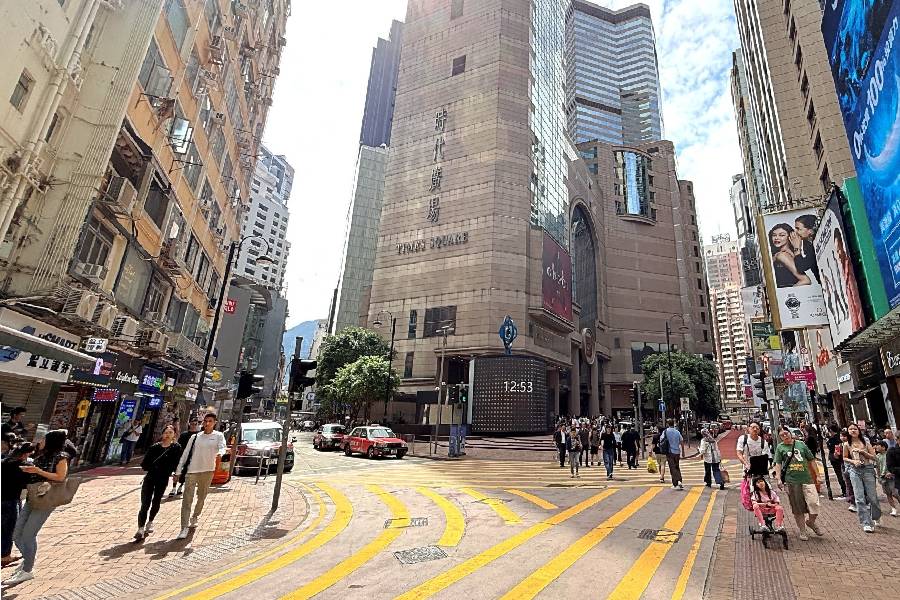
Shopper's $11,000 Gucci shoes stolen from Causeway Bay mall restroom
11-04-2026 19:03 HKT
Sophie Hui
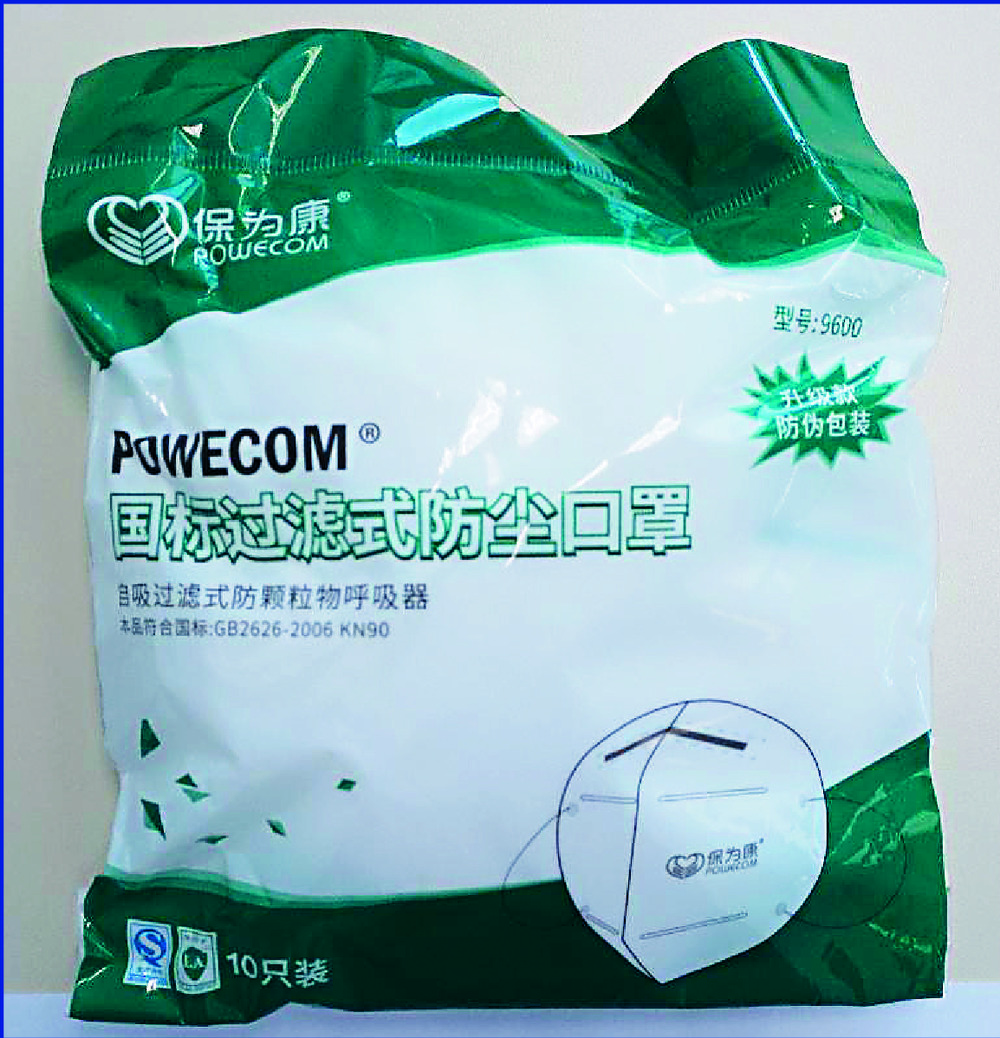
A surgical mask from mainland brand Powecom was found to be contaminated with bacteria nearly 23 times above the permitted level, customs officers said in urging people to stop wearing them.
The masks are in bags of 10 pieces each and sell for HK$90.
Customs and Excise Department officers purchased the masks from a chain outlet in North Point.
The 62-year-old male proprietor of the group running the shop was arrested and later released on bail pending further investigation.
Customs also seized the same type of masks from the chain's two other shops in Tseung Kwan O and Tsuen Wan.
The action came after the Consumer Council tested 30 types of masks and found three to have high bacterial counts.
A Powecom sample exceeded the European Union maximum level five times over while Hong Kong-made masks from Artec Med and Pure Living also exceeded the European Union limit.
The council found the average bacterial filtration efficiency and particle filtration efficiency reached 95 percent or above in 29 models - which was deemed satisfactory in reaching the Level 1 requirement of the ASTM International standard.
"Face masks with BFE 95 percent or above should be sufficient for providing protection in community settings," said Lui Wing-cheong, vice chairman of the council's research and testing committee. The only sample from Vietnam found to be substandard was the Perfetta mask, which recorded an average PFE of 86.6 percent rather than its claimed 99 percent.
Samples of Protector, Topvalu, Bethreis and Swashes from the mainland as well as E+Plus masks from Hong Kong had the highest average PFE with over 99 percent.
Hong Kong-made V Care, Banitore and Shield+ masks, the mainland's Bethreis and Powecom and Taiwan's Laitest masks showed an average BFE of 99.9 percent.
The council also received 4,363 complaints related to masks in the first 11 months of the year and most were received in the first half.
Council chief executive Gilly Wong Fung-han said about 60 percent of the complaints were related to delivery problems caused by the supply shortage. Others related to quality of products and sale practices.
The watchdog believed such issues should have been resolved with sufficient supplies and choices.
She said most samples can provide reasonable protection for normal use, but people may need more when they visit risky areas such as hospitals.
Wong said people should choose products that are properly packed and labeled.
"If you sense any problems with the masks - for example if they are discolored, if they smell or break easily - then they probably may not be a very good model."
sophie.hui@singtaonewscorp.com