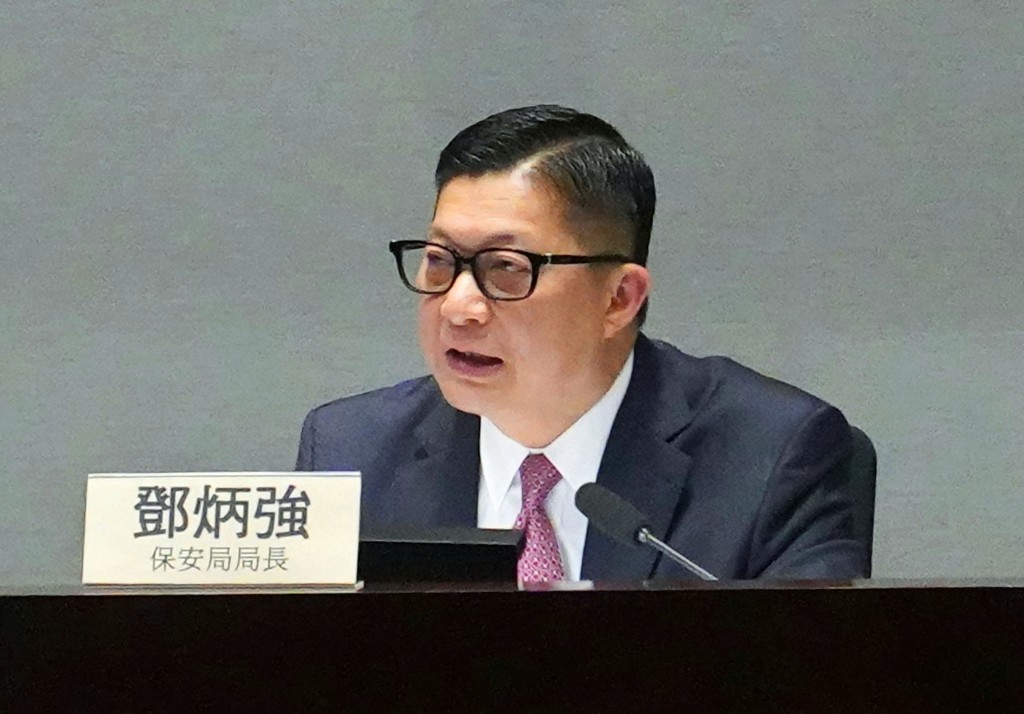
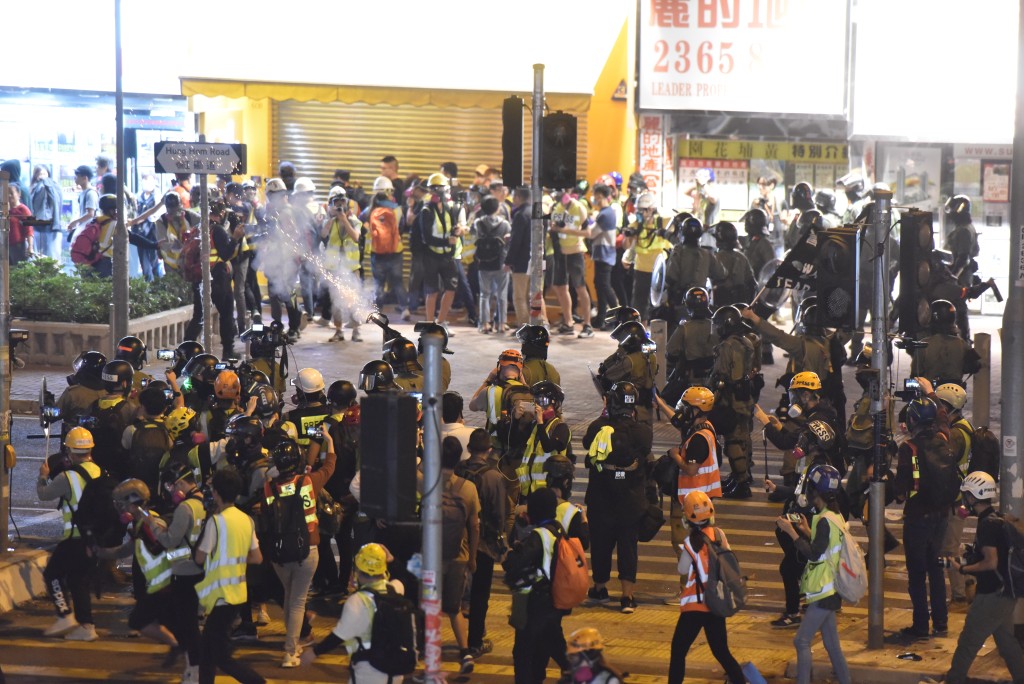
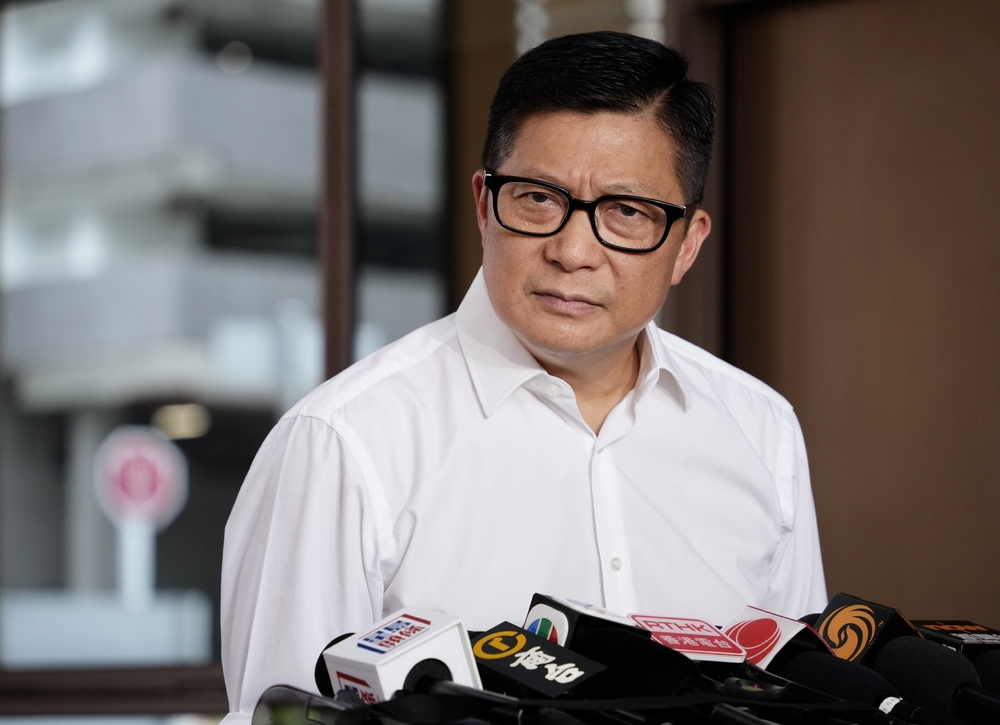
The “special rehabilitation project” under the Security Bureau will allow individuals arrested during the 2019 anti-government protests who have not been prosecuted to avoid being charged by joining the scheme, and it welcomes all interested and eligible parties to participate, Secretary for Security Chris Tang Ping-keung said on Sunday.
The government previously stated that it has launched this “special project” over the past one to two years to provide a rehabilitation opportunity for more than 7,000 people who were arrested during the protests but not prosecuted.
Under the project, participants will be arranged to visit China and help them reintegrate into society by assisting them in understanding the country and making career plans.
Speaking on a TV program, Tang noted that the project has no “bottom line” for eligibility and that the authorities have already reached out to many people since its launch, which has received a positive response.
Tang added that those eager to participate can contact the case officer in charge of their case for assistance.
When asked whether even those arrested for more serious offenses, such as unlawful assembly or riot, could join the program to avoid prosecution, Tang did not respond directly but emphasized that the authorities are willing to offer a chance for rehabilitation whenever permitted by law.
He clarified that exceptions would apply if the offense is too serious or if there is sufficient evidence to press charges.
Tang stressed that the project focuses on the participants’ attitude rather than simply requiring them to admit fault. Instead, it aims to enhance their understanding of the country through trips to the mainland, career counseling, and internship opportunities.
Regarding why the project was kept low-key for its first two years, Tang explained that the move was to protect the young participants from harassment or doxxing. He stated that with the current stable social foundation, it is the right time to make the project more widely known to encourage active participation.
Tang added that future activities under the project will not be limited to arrested individuals, but will also be open to other members of the public and artists in the entertainment industry to help lead the program, noting that broader participation will help eliminate any stigma associated with it.
When asked about suggestions to seal the criminal records of those involved in the 2019 protests, Tang said that the existing Rehabilitation of Offenders Ordinance already allows individuals convicted of minor offenses with a prison sentence of less than three months to have their records cleared after three years.
He emphasized that there is no need to amend the law for individual incidents and reiterated that those who break the law must bear legal responsibility.
Meanwhile, in response to a recent case where a bookstore owner was accused of selling seditious publications, including a biography of Jimmy Lai Chee-ying, Tang pointed out that merely portraying an individual in a positive light is not against the law.
He explained that the key legal test lies in whether there is a seditious intention, which, based on precedents, refers to inciting hatred against the HKSAR government or the central authorities.
He emphasized that criticizing the government is entirely permissible and even welcomed, but using false information or fake news to stir up hatred constitutes an offence. Tang further noted that under the law, possessing articles with seditious intention is itself a criminal act. He also reminded members of the public that they could face corresponding legal risks if they give away books they suspect may be illegal to others.