Read More


Night Recap - August 28, 2026
3 hours ago





(Video) Girl slapped at Kwun Tong’s apm mall, two women arrested
26-08-2026 19:39 HKT


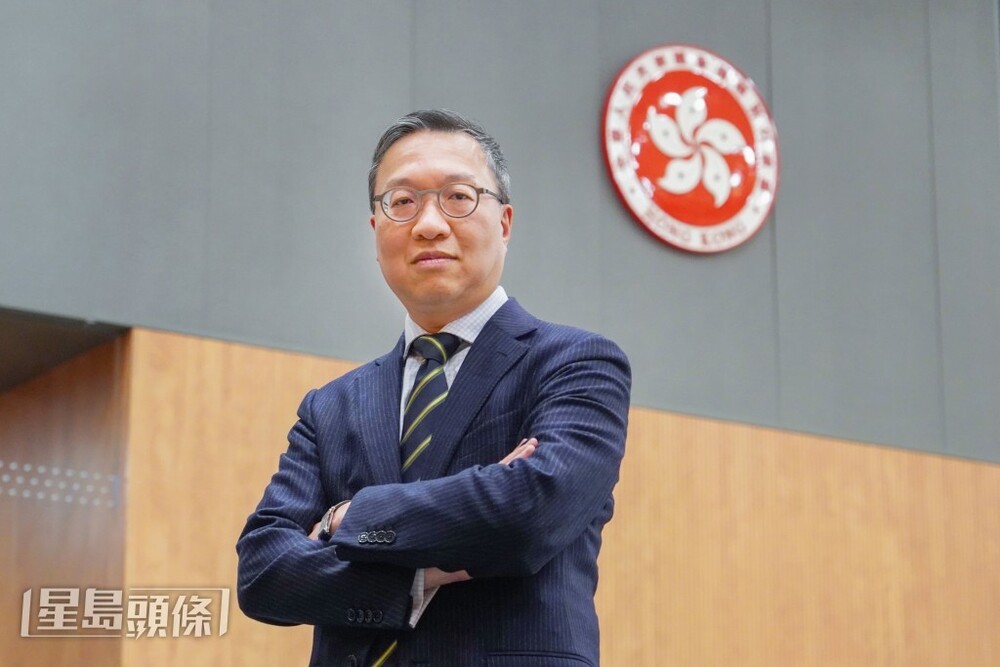
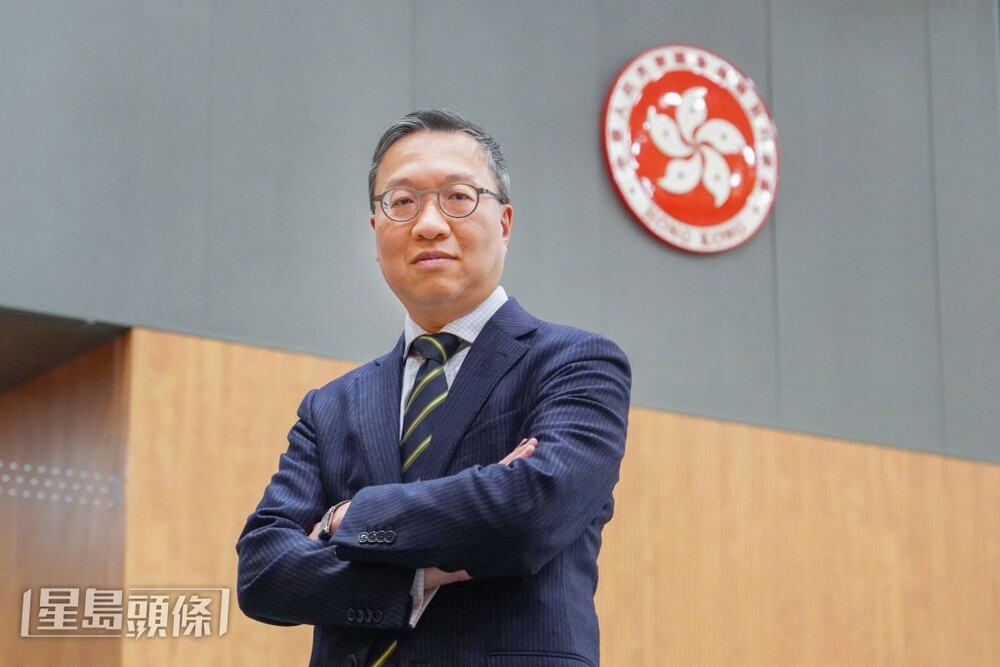
National security education should be an ongoing daily effort rather than confined to specific dates, Secretary for Justice Paul Lam Ting-kwok said as Hong Kong prepares to mark its 10th National Security Education Day on April 15.
In an interview with Sing Tao Daily, The Standard's sister newspaper, he drew an analogy to Valentine's Day, saying: "We shouldn't only show affection on February 14, just as we shouldn't only focus on national security on one designated day."
Addressing the United States' accusations of "cross-border suppression" through Hong Kong's national security laws, Lam argued that many countries, including the US, prosecute extraterritorial threats to their national security.
"If an American citizen plots a terrorist attack abroad, does that mean the US can't take action? Of course, they can and they would," Lam said, defending China's right to hold its citizens accountable regardless of location.
He stressed that Hong Kong has never engaged in overseas arrests or kidnappings, which would violate international law.
Lam also outlined three key roles for the Justice Department in maintaining national security, including public legal education, legislative improvements, such as Article 23, and supporting law enforcement efforts.
Referring to this year's government work report presented at the National People's Congress, which called for fully implementing the holistic view of national security and modernizing the national security system, Lam cited guidelines emphasizing the principle of "staying vigilant in times of peace" -- maintaining bottom-line thinking even during stable periods.
"We must remain prudent and never forget potential national security risks," he said.
The justice secretary further explained the approach should combine "firmness with flexibility" and maintain "appropriate intensity."
"When the situation calls for strong measures, we must act decisively. But we should also employ gentler methods when appropriate," Lam stated, adding that such balanced approaches reflect the country's national security philosophy.
Lam noted that in the current complex geopolitical climate, particularly amid intense Sino-US competition, foreign forces have clear political motives for using these laws to attack Hong Kong.
He said Hong Kong would continue to refine its legal framework to address emerging risks while calmly responding to external criticism with facts rather than emotion.
He reaffirmed Hong Kong's commitment to the "one country, two systems" principle, emphasizing that understanding must begin with recognizing "one country" first.
Lam also the recent US sanctions against him and five other officials are "completely ineffective" which would not impact his work or determination in safeguarding national security.
None of the targeted officials had left their positions due to the measures, he added.
"[The sanctions] don't affect my ability to perform my duties, they don't weaken my resolve, and they certainly don't impact my personal life," Lam said while suggesting that the sanctions might have an opposite effect by encouraging more citizens to participate in national security work.
(Ayra Wang)