Read More
The Hong Kong and Macao Work Office recently reposted commentary articles that question CK Hutchison's plan to sell port assets at both ends of the Panama Canal, suggesting that the move may not have considered national interests.
ADVERTISEMENT
SCROLL TO CONTINUE WITH CONTENT
Political circles have voiced criticisms and publicly urged the Hong Kong business community to uphold a patriotic spirit, prioritizing national interests to avoid jeopardizing long-term strategic development through shortsighted trading.
Gary Chan Hak-kan, chairman of the Democratic Alliance for the Betterment and Progress of Hong Kong, emphasized that in the current geopolitical context, business activities involving key areas should not be viewed merely as routine commercial exchanges. He highlighted the ongoing trade and tariff wars initiated by the United States against China, which have turned core technology and important strategic resource sectors into battlegrounds for containing China.
Chan noted that the numerous cases of technology blockades and chip bans against China serve as warnings that entrepreneurs must consider geopolitical risks in their business decisions with a bottom-line mindset.
He also pointed out that thanks to China's reform and opening-up and the institutional advantages brought by the "one country, two systems" policy, Hong Kong has not only achieved economic prosperity but also created numerous wealth miracles. Given the containment efforts against China by the US and the West, the intertwined nature of business and national interests is clear, necessitating a strong alignment with national priorities.
Kingsley Wong Kwok, chairman of the Hong Kong Federation of Trade Unions (FTU), described the multi-billion Hong Kong dollar transaction as more than a mere commercial activity. He argued it was an enforced acquisition through American intimidation, with the cooperation of Hong Kong enterprises, aimed at undermining national interests. Wong criticized the portrayal of the transaction as a simple commercial exchange as either naive or confused, accusing some of prioritizing profit over righteousness and lacking national backbone.
Wong highlighted the strategic importance of the Panama Canal, which connects the Atlantic and Pacific Oceans and supports about 6 percent of global maritime trade, with China being the second-largest user of the canal. In 2023, the canal handled 120 million tons of cargo. He warned that increased US control over the canal ports could threaten China's foreign trade and Hong Kong's status as an "international shipping center."
Bill Tang Ka-piu of the FTU publicly urged CK Hutchison to reconsider the port transaction and refrain from selling. He stressed that a Chinese family business, founded under the name "Yangtze River" and led by a controller with national public office responsibilities, should not prioritize profits and risk avoidance over national security.
Legislative Council member Adrian Pedro Ho King-hong called for society to recognize the facts, uphold the integrity of Chinese people and enterprises, and protect national and people's interests against foreign intimidation to gain true recognition from the country, the people, and history. He urged relevant enterprises to think deeply before making decisions, standing united with 1.4 billion Chinese people.
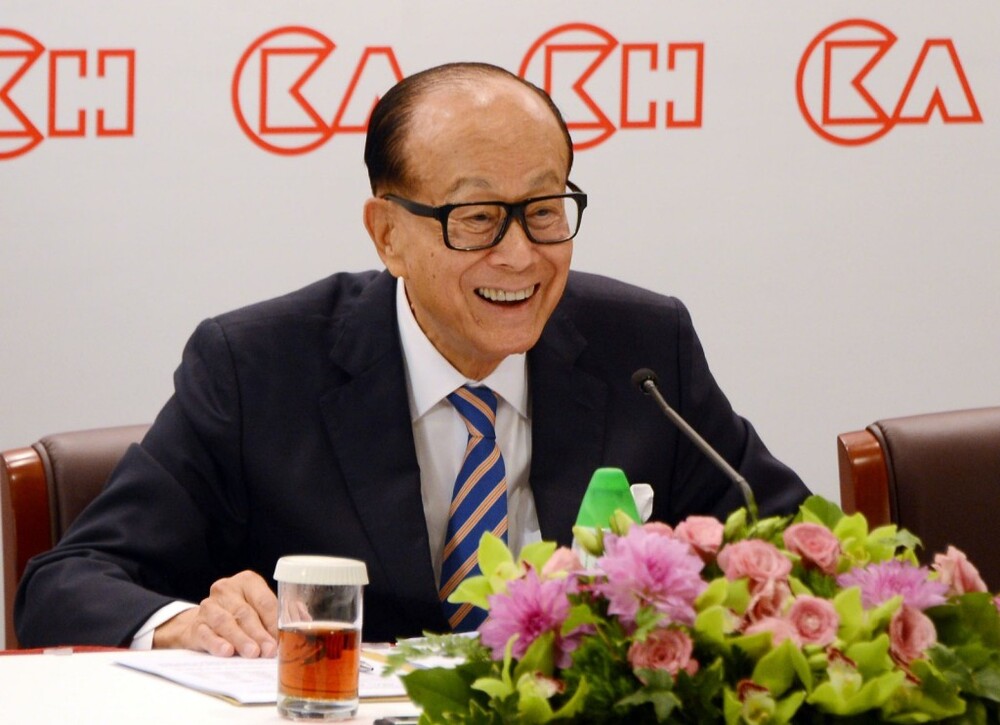
(Li Ka-shing)
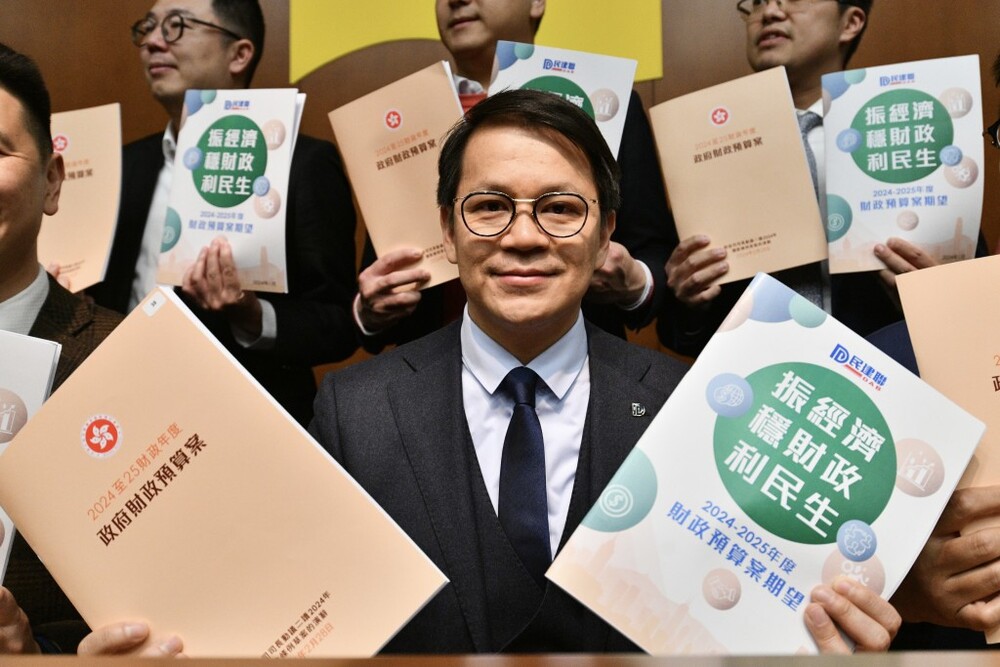
(Gary Chan Hak-kan, chairman of the Democratic Alliance for the Betterment and Progress of Hong Kong)
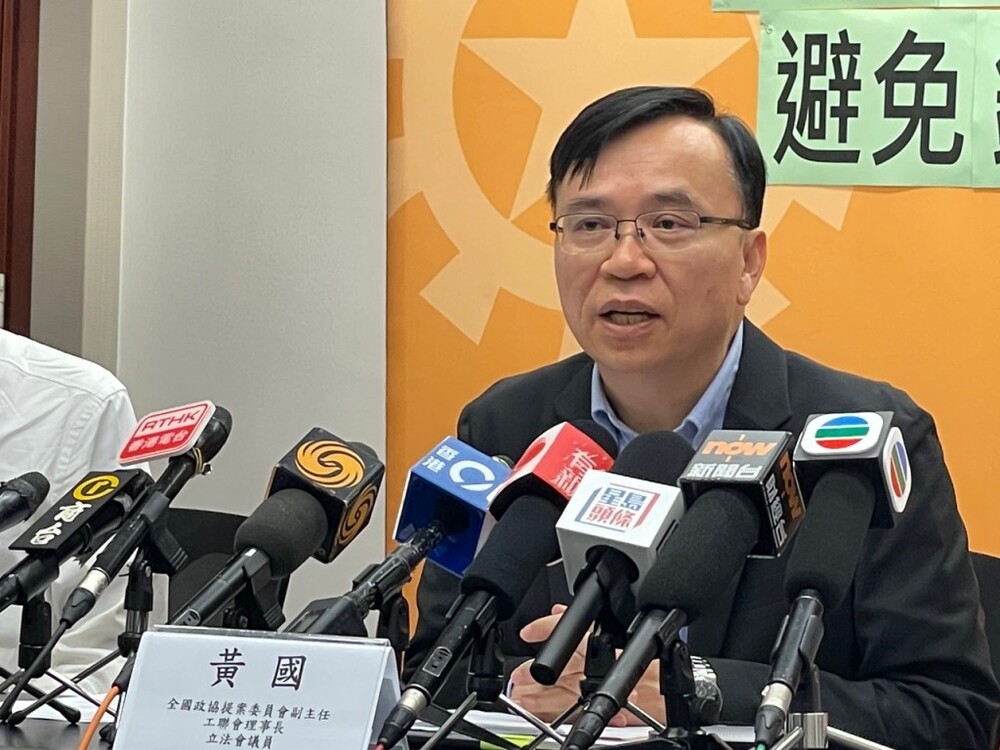
(Kingsley Wong Kwok, chairman of the Hong Kong Federation of Trade Unions)
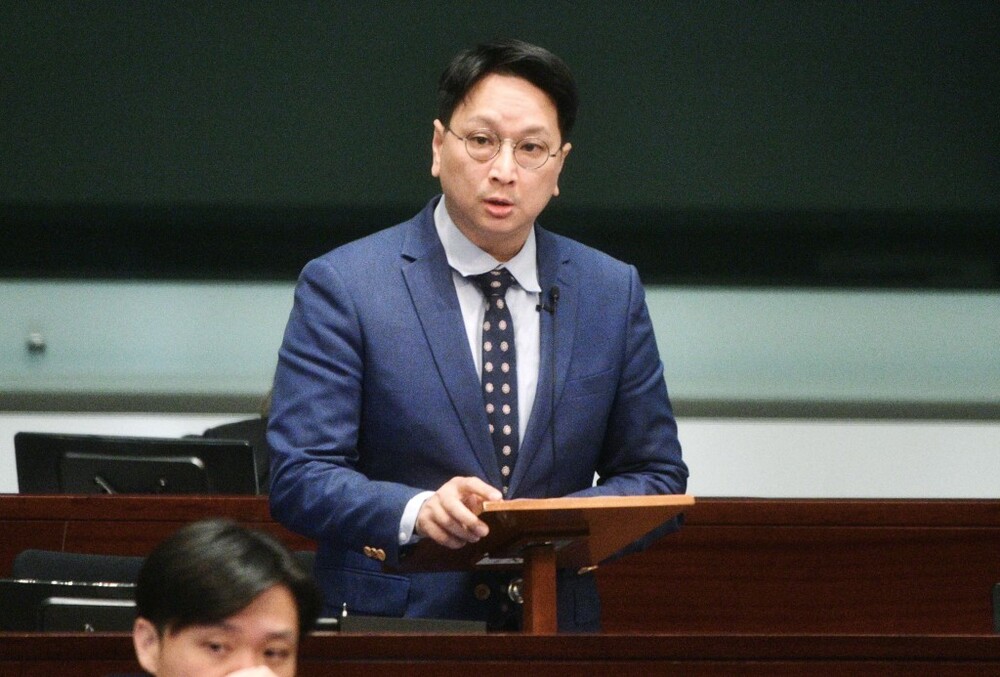
(Bill Tang Ka-piu of the FTU)