Read More










Researchers at the University of Hong Kong have identified key mechanisms driving the spread of mouth cancer, along with two critical factors that could serve as potential targets for treatment.
Oral squamous cell carcinoma (OSCC) is a prevalent and aggressive form of mouth cancer.
By analyzing tissue samples from 46 OSCC patients using advanced multi-omics techniques, a collaborative research team formed by HKU and West China Hospital of Sichuan University uncovered key pathways that drive tumor progression and immune evasion, explaining OSCC’s resistance to conventional therapies.
The study revealed distinct differences between tumors that had metastasized to lymph nodes (pLN+ OSCC) and those that had not.
The pLN+ OSCC tumors showed increased growth and invasiveness, driven by genetic changes related to cell proliferation and extracellular matrix (ECM) remodeling, which aids in cancer spread.
Additionally, these tumors suppress immune responses by reducing immune-supportive molecules and activating TGF-β signaling, a pathway that promotes tumor growth and helps cancer cells evade immune detection.
A key finding of the research was the role of protein POSTN, which alters the tumor’s structural support and is associated with poorer patient outcomes.
The team also identified cancer-associated fibroblasts (CAFs) -- supportive cells within the tumor -- as crucial players that boost TGF-β signaling.
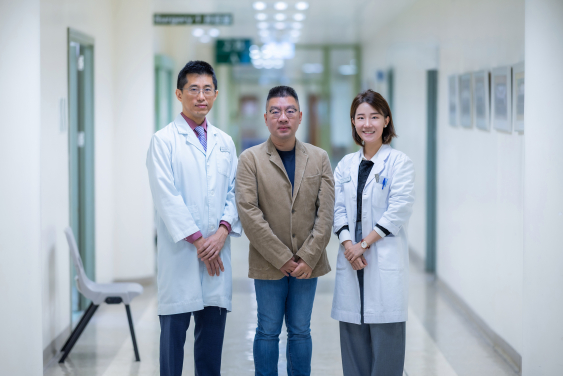
“These insights transform our understanding of how OSCC metastasizes and resists immune defenses,” said HKU Faculty of Dentistry Professor Zhang Gao, the lead contact and co-corresponding author.
“By spotlighting POSTN and TGF-β as critical drivers, we’ve identified promising targets for therapies to halt or prevent cancer spread.”
“This study lays a robust foundation for future drug development,” said HKU Faculty of Dentistry Professor Su Yu-Xiong, the co-corresponding author.
“Disrupting the interplay between CAFs and TGF-β could lead to treatments that stop tumor progression in its tracks.”
The HKU team seeks to improve survival rates for OSCC patients by inspiring further research and clinical trials to examine these targets.
(Cheng Wong)