Read More
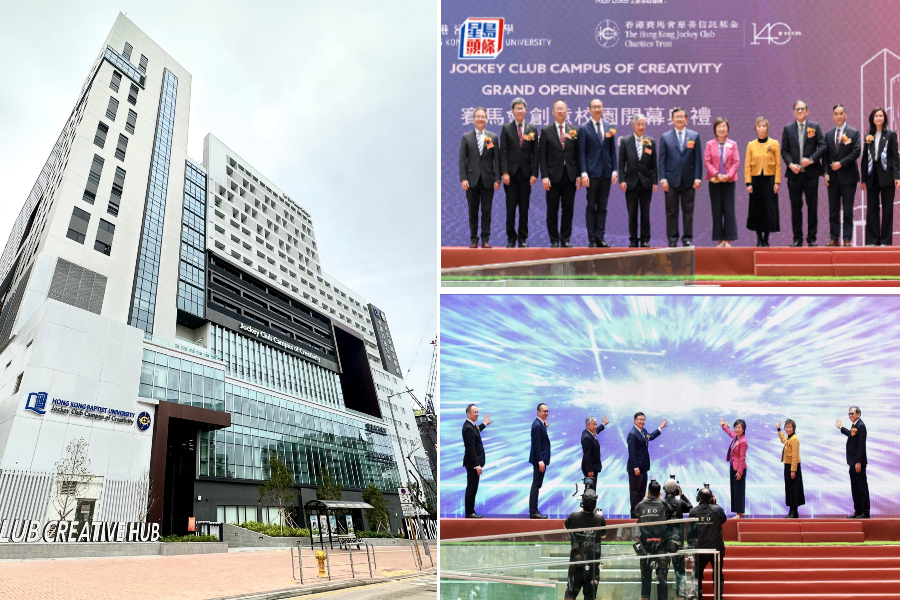
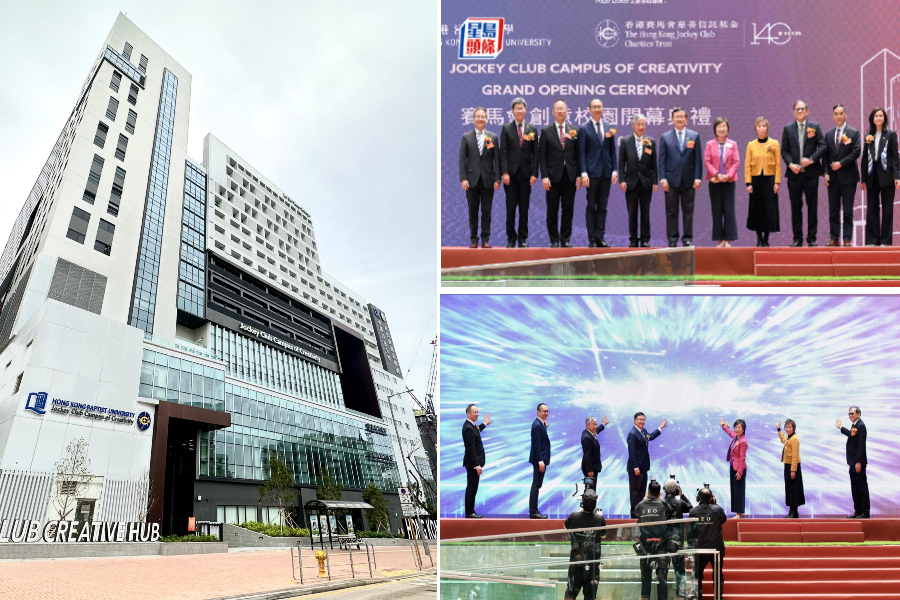
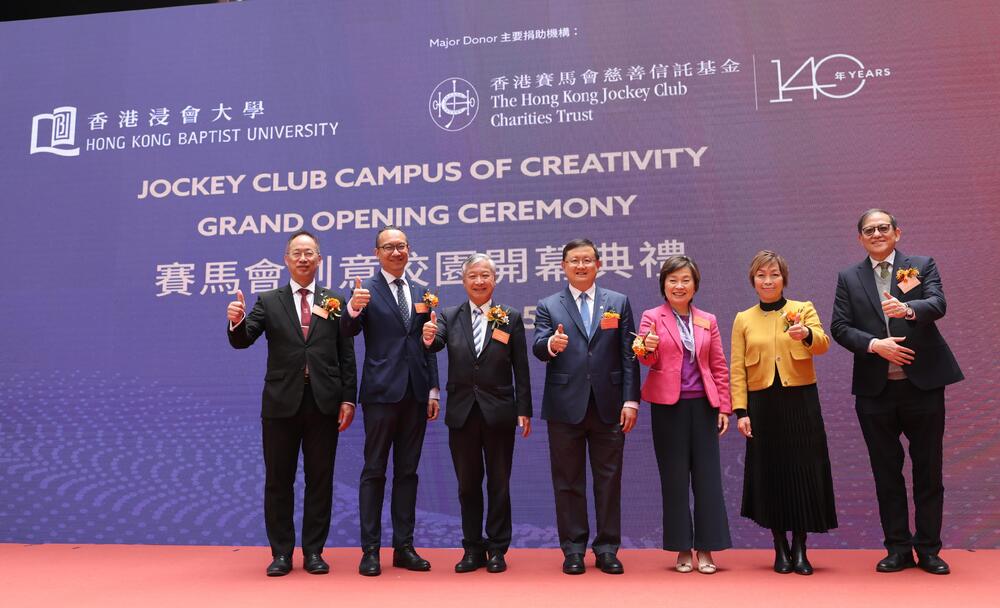
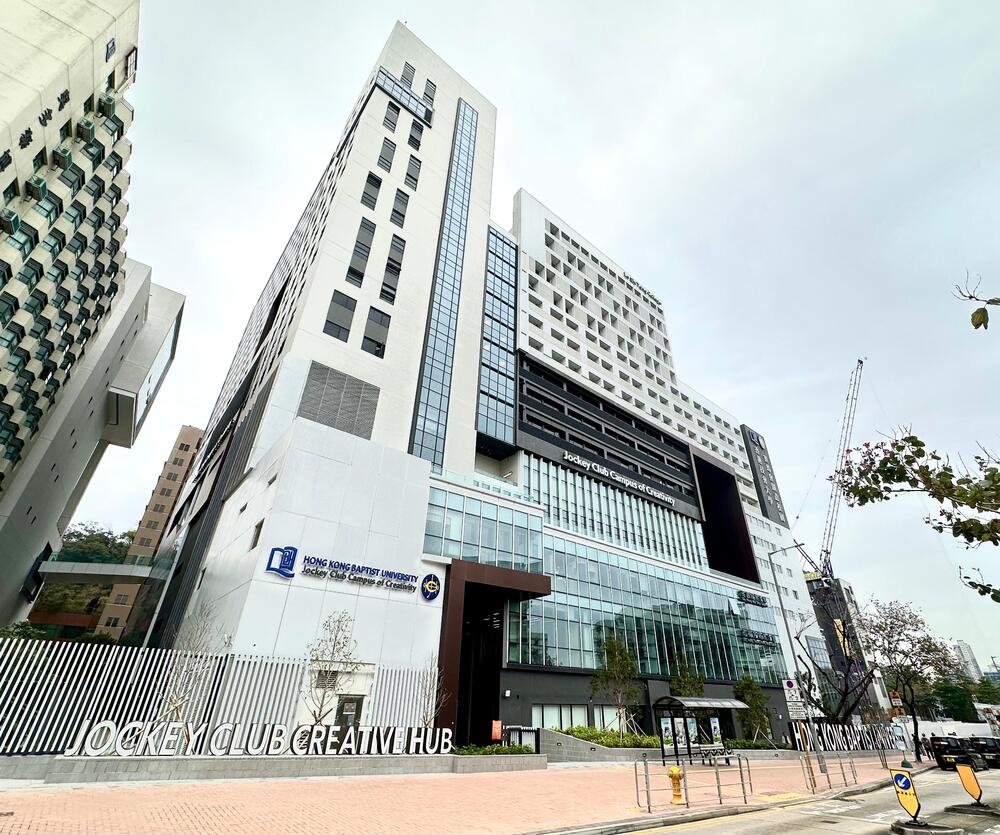
Hong Kong Baptist University's Jockey Club Campus of Creativity officially opened its doors on Tuesday, showcasing state-of-the-art creative facilities and student residential spaces.
ADVERTISEMENT
SCROLL TO CONTINUE WITH CONTENT
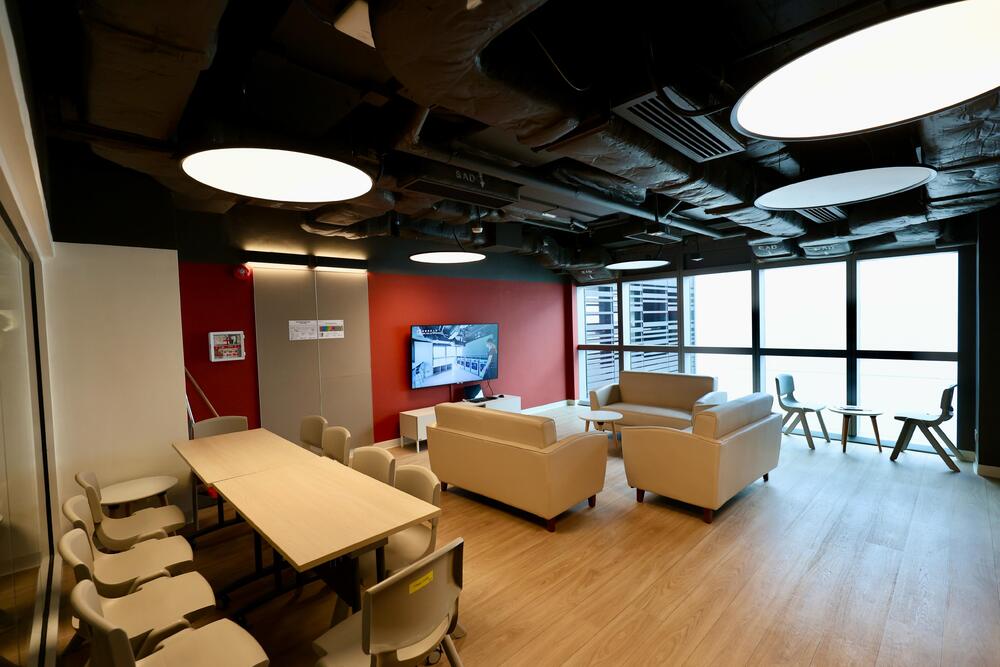
The campus, funded by a HK$452 million donation from The Hong Kong Jockey Club Charities Trust, spans over 7,400 square meters and includes four student dormitories offering more than 1,700 residential places.
The dormitories have been operational since September last year.
The campus features the Jockey Club Creative Hub, a dynamic space dedicated to music, film, television, and video game production.
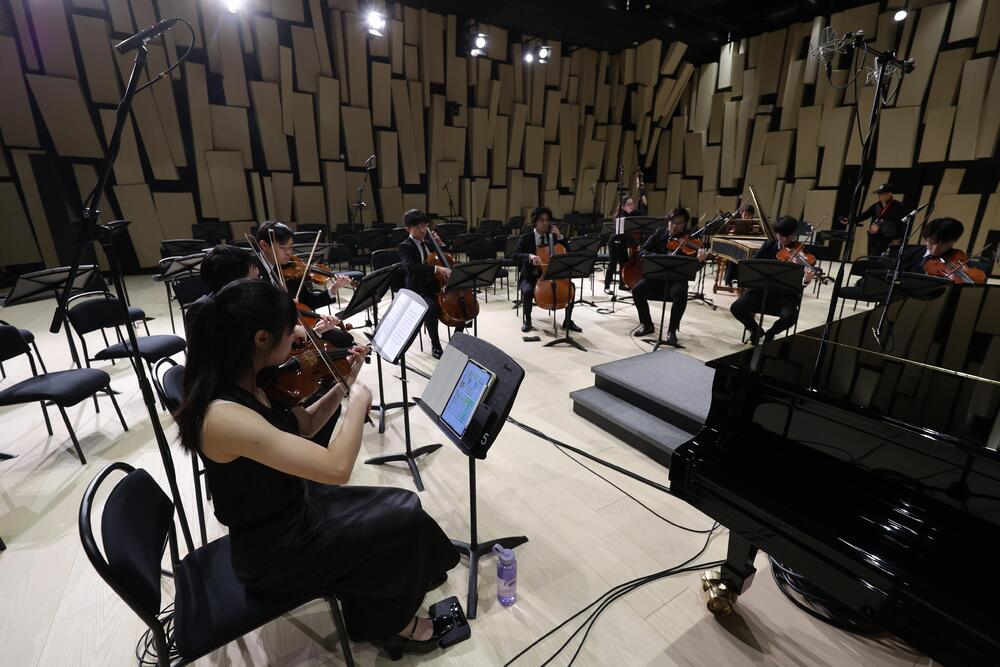
It houses 12 large classrooms, advanced research spaces, and a massive recording studio -- the largest in Hong Kong -- capable of accommodating up to 100 people, which makes it ideal for large-scale orchestra recordings and post-production work, offering adjustable acoustics to meet diverse creative needs.
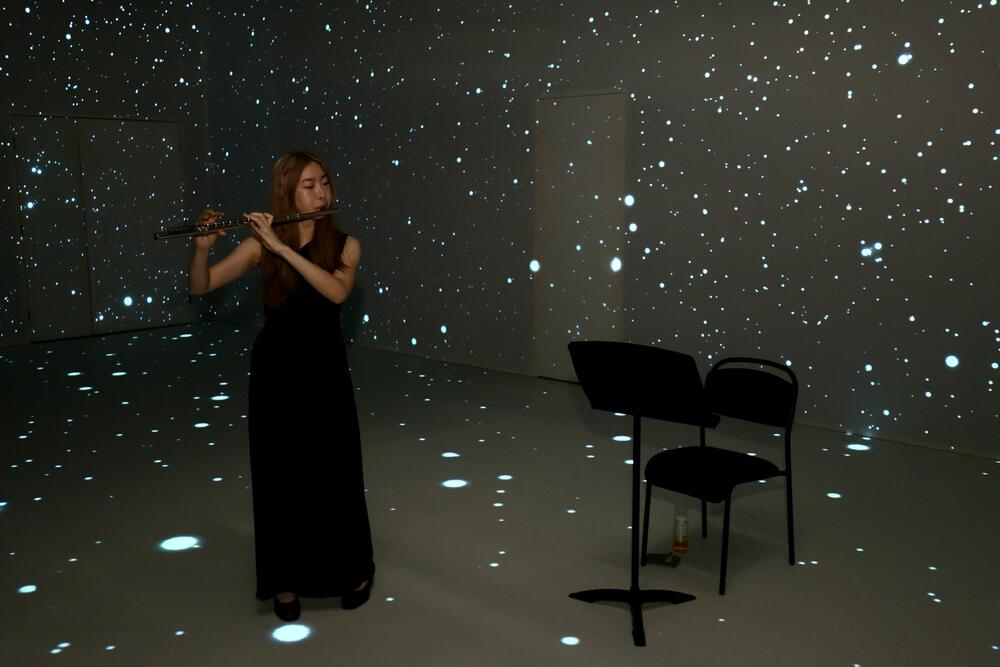
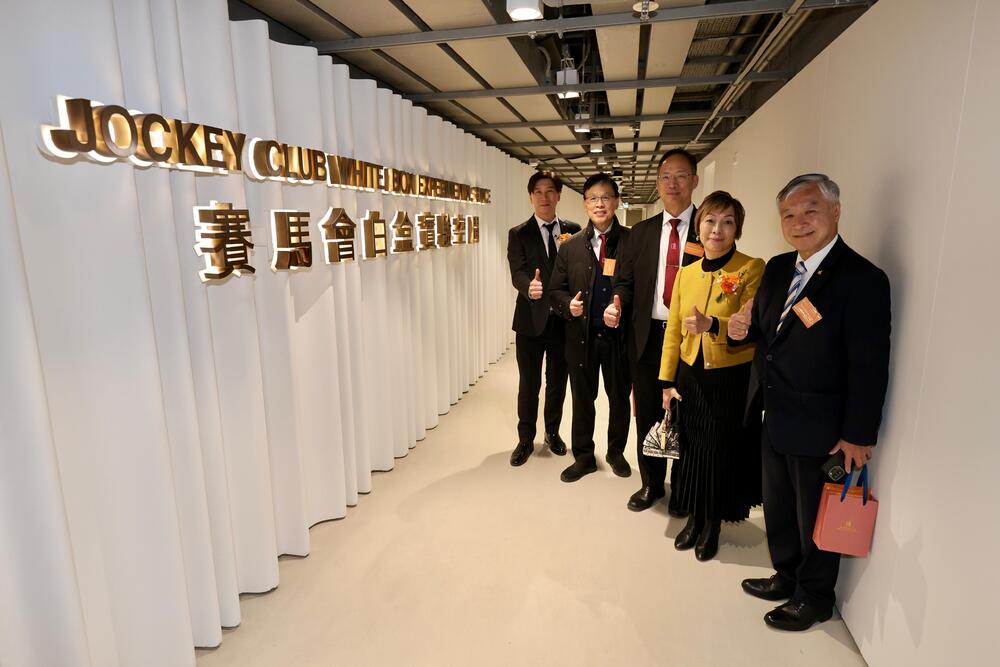
Another highlight is the “White Box” experimental space, equipped with 70 speakers and top-tier audio technology to simulate immersive sound environments, where students can experiment with cutting-edge software and tools for mixing, editing, and producing high-quality recordings.
The campus also integrates artistic installations in its outdoor spaces, including an AI-powered immersive experience area and a remotely connected “self-playing piano”.
At the opening ceremony, Johnny Poon Ming-lun, associate vice president of interdisciplinary research at HKBU and founding dean of the School of Creative Arts, said the project, which began construction in 2020, was fortunate to be realized during a period of economic prosperity in Hong Kong.
Poon described the campus as a groundbreaking arts institution that blends traditional creative training with modern technology, stressing that the university will continue to support high-quality research and innovation.
He also urged students to embrace the opportunities presented by technology.
“Don’t be afraid to coexist with AI. Instead, think of it as a partner. Human-machine collaboration is the key to unlocking new creative possibilities,” Poon added.
Speaking at the opening ceremony, Secretary for Education Choi Yuk-lin highlighted the new campus aligns with the government’s vision for higher education institutions to achieve high-quality development.
She emphasized the campus’s role in nurturing creative talent and integrating education, technology, and human resources to foster a robust economic environment.
“By integrating living, learning, and dining spaces, it creates an immersive environment that encourages students to fully engage with campus life and inspires innovative thinking,” Choi said.
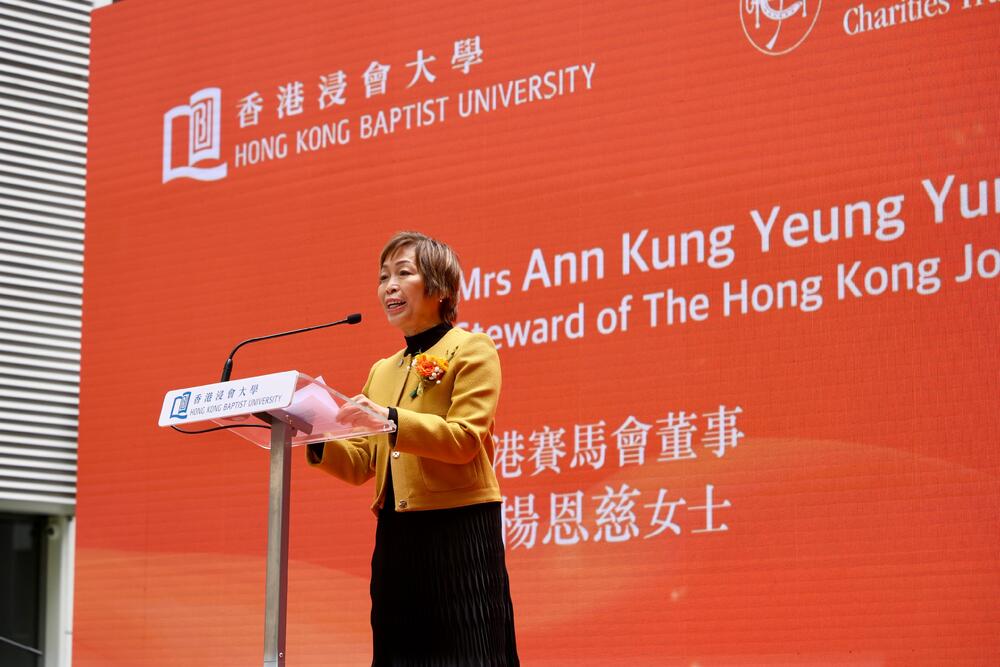
HKJC Steward Ann Kung Yeung Yun-chi said the campus reflects the Club’s commitment to talent development and societal progress, nurturing 21st-century learners and boosting creative industries in Hong Kong and the Greater Bay Area.
Meanwhile, President Alexander Wai Ping-kong said HKBU is preparing for meetings with the government’s task group on establishing the city’s third medical school.
Council Chairman Kennedy Wong Ying-ho highlighted HKBU’s strengths in Chinese medicine and biotechnology as key advantages.
(Ayra Wang)
+3