Read More




Night Recap - March 26, 2026
7 hours ago

HK restaurants sweep top two spots at Asia's 50 Best Restaurants
26-03-2026 02:33 HKT


Finance chief Paul Chan Mo-po announced in his budget that government fees and charges will be adjusted to better reflect the “user pays” principle and to boost government revenue amid a financial deficit.
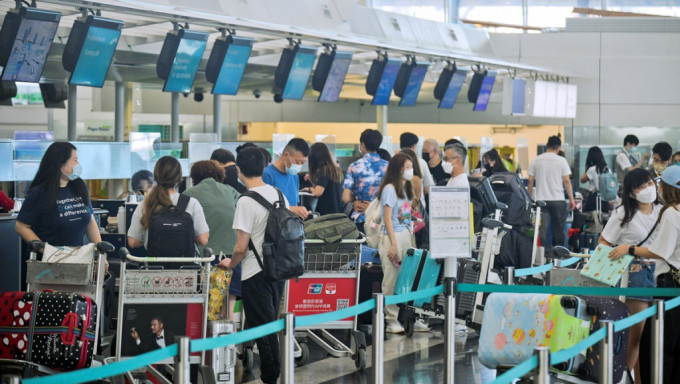
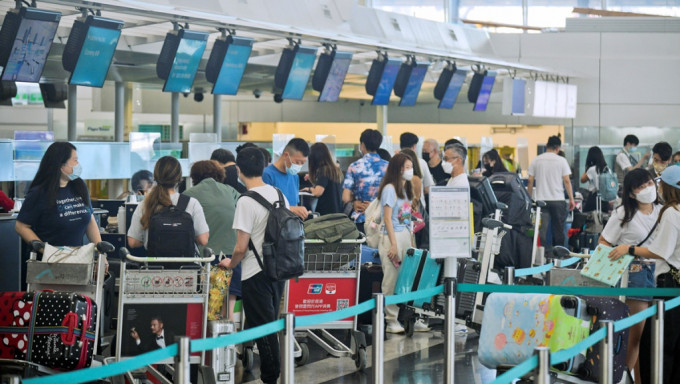
Chan said air passenger departure tax will be increased from HK$120 to HK$200 per passenger beginning in the third quarter of 2025-26, generating approximately HK1.6 billion in revenue annually.
According to sources, the departure tax has not been modified since 2003, so the adjustment is expected to have a minor impact on air passengers.
Furthermore, there will be an application fee of HK$600 for various talent and capital investor admission schemes while the visa fees will be raised to HK$600 or HK$1,300, depending on the duration of the limit of stay, which is projected to boost income by approximately HK$620 million each year.
Government sources said the HK$600 application fee is non-refundable regardless of the result of the visa application, while the visa fees are set at HK$600 for stays of less than 180 days and HK$1,300 for those longer than 180 days.
To embody the “user pays” principle, Chan said the Transport and Logistics Bureau will review the tolls of government tunnels and trunk roads, as well as the annual license fee for electric private cars, and parking meter charges.
According to preliminary estimates, these adjustments will result in an additional HK$2 billion in revenue every year.
Meanwhile, the finance chief said the government is exploring the possibility of imposing a boundary facilities fee on private cars departing via land boundary control points, while coaches and goods vehicles will not be affected.
“Taking a fee of HK$200 per private car as an example, the measure will bring in revenue of about HK$1 billion per annum,” said Chan.
Chan also highlighted the bill submitted to LegCo in January this year to implement the global minimum tax proposal drawn by the Organisation for Economic Co-operation and Development to address base erosion and profit shifting.
The proposal will see a 15 percent global minimum tax and a Hong Kong minimum top-up tax imposed on large multinational enterprise groups with an annual consolidated group revenue of at least EUR 750 million.
Once passed, the bill is projected to generate around HK$15 billion in tax income for the government annually beginning in 2027-28.