Read More



Night Recap - March 26, 2026
5 hours ago
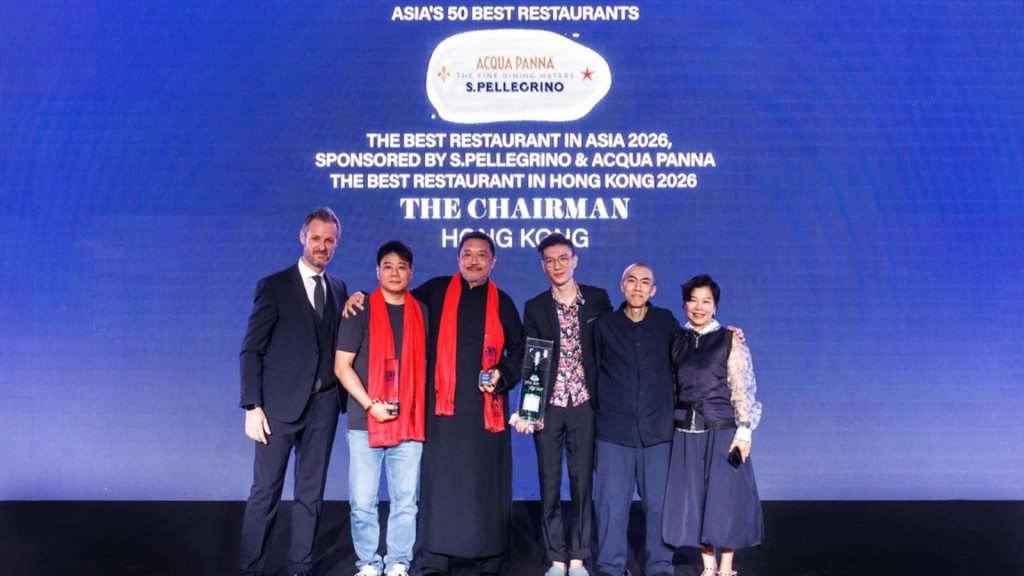
HK restaurants sweep top two spots at Asia's 50 Best Restaurants
26-03-2026 02:33 HKT


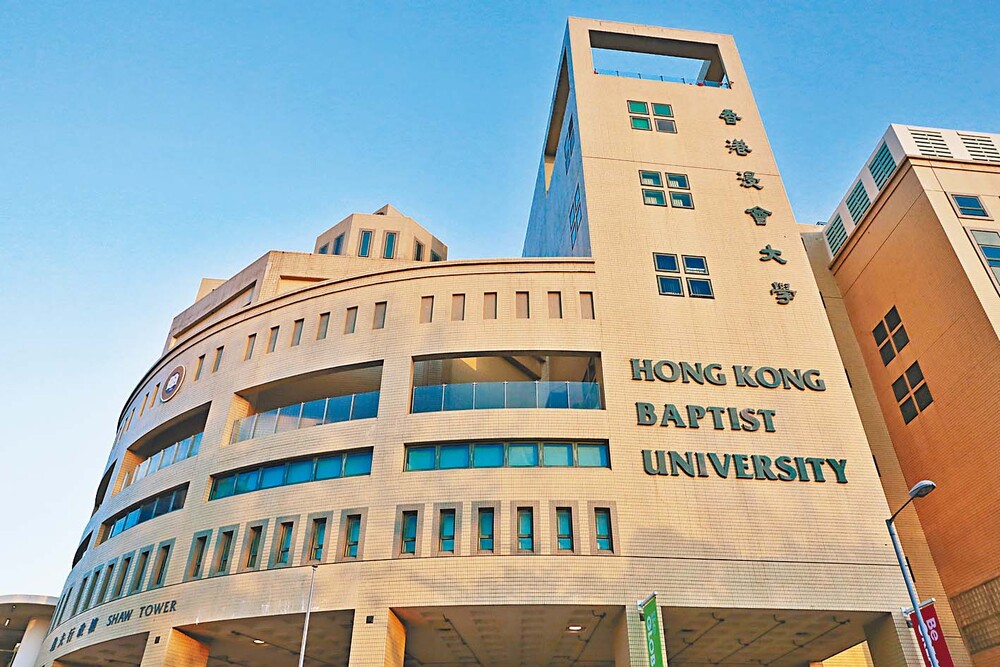
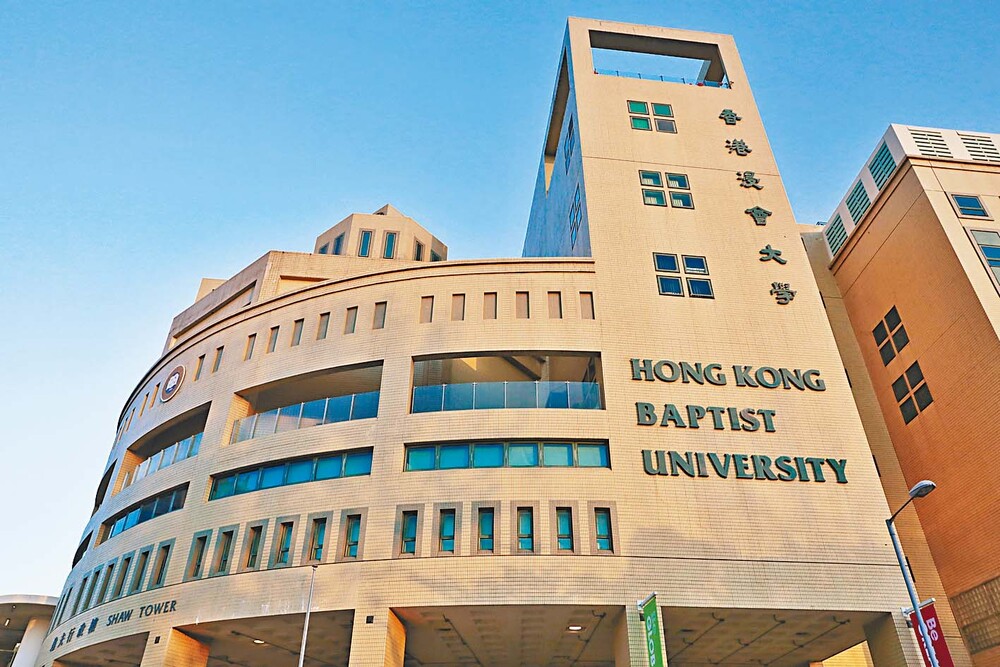
Hong Kong Baptist University (HKBU) president Alexander Wai Ping-kong expressed confidence in the school’s competitiveness to establish the SAR’s third medical school.
Co-chairman of the school’s Preparatory Committee for the New Medical School, Manson Fok Man-shun, said on Monday that the school’s bid to establish a medical school is not simply a reaction to others doing the same.
Fok said that HKBU has the qualifications and advantages necessary for success, noting that the planned curriculum of the new medical school would primarily focus on small-class teaching.
“Communication between doctors and patients is very important, so we will not have large classes,” Fok said.
“We want our students to explain concepts to us rather than just being taught.”
Also, Fok said that the school will operate Hong Kong’s first Chinese medicine hospital by the end of the year, which could promote the integration of Chinese and Western medicine if the medical school is successfully established.
In October, the government announced the formation of a Task Group on New Medical Schools to set its direction, requiring universities to submit proposals by mid-next month.
The University of Science and Technology and Polytechnic University have also indicated their intention to build a third medical school.
Meanwhile, HKBU’s Preparatory Committee for the New Medical School and the Expert Advisory Committee agreed in a recent meeting to establish a frontier translational medicine research institute to promote future medical innovation and technology transfer.
Sir Michael Houghton, the 2020 Nobel Laureate in Physiology or Medicine, will be a founding member of the upcoming research institute and is also a member of both the preparatory and expert advisory committees for the new medical school at HKBU.
Wai said that the new research institute aims to become a leading R&D center in medical science and healthcare, focusing on various fields including medical devices, diagnostics, vaccines, integrative medicine, Chinese medicine, and the translation of related technologies.
He noted that this institute will drive medical innovation and prepare the global community for future health challenges, including infectious and non-communicable diseases, aging populations, and pandemic prevention, aligning with the vision of the new medical school.
(Cheng Wong)