Read More
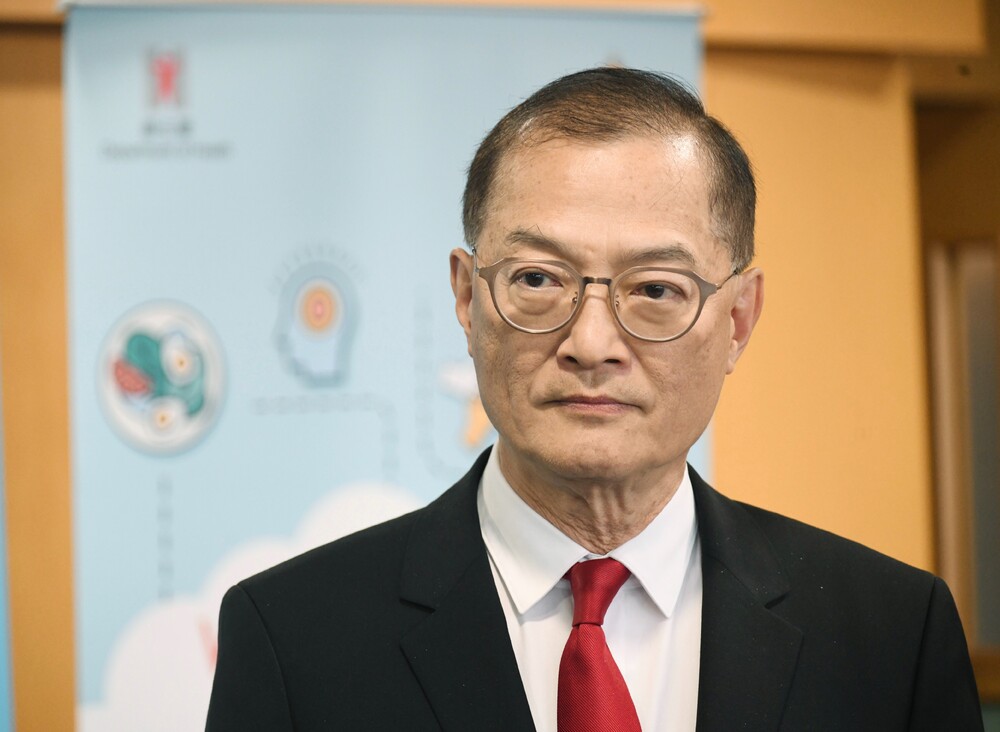
The Medical Council handled over 8,700 complaints over the past five years, with each case taking an average of 27 months to follow up, Secretary for Health Lo Chung-mau said.
ADVERTISEMENT
SCROLL TO CONTINUE WITH CONTENT
He noted that many cases are complex, making it difficult to set a fixed "deadline" for resolution; in fact, three cases took more than a decade to process.
During Wednesday's Legislative Council meeting focused on the Medical Council of Hong Kong (MCHK), Lo said the importance of complaint handling as a key function of the council.
He added that since the amendment of the Medical Registration Ordinance (MRO) in 2018, the council’s efficiency has significantly improved.
Annually, the MCHK has received between 500 and over 3,000 complaints in the last five years.
Lo revealed that in 98 percent of the 8,700 complaints filed, disciplinary procedures were completed within four years.
However, cases that required longer processing times typically involved complex issues such as reviewing medical records and obtaining expert reports.
About 7,000 cases were dismissed by the Preliminary Investigation Committees as frivolous or lacking sufficient information from the complainants.
Of the remaining cases, about 1,500 were resolved without a formal inquiry, three were referred to the Health Committee concerning the medical practitioners’ physical and mental conditions, and only 221 required disciplinary inquiries.
Despite the average processing time currently being 27 months, Lo said that the similarity of Medical Council hearings to court trials has led to delays, with seven cases taking 7 to 8 years and three exceeding 10 years to resolve.
He assured that the government will continue to review the MCHK's operations and implement necessary reforms to meet community expectations.
In related news, two private hospitals reported three incidents of incorrect prescription drugs in the last quarter of the previous year.
Two cases occurred at St Paul’s Hospital and one at Hong Kong Sanatorium & Hospital.
Notably, a 40-year-old male was injected with an incorrect dose of opioid pain medication, and a 36-year-old male received an incorrect dose of oral chemotherapy.
A 33-year-old woman with allergies was also given an oral medication containing paracetamol in a separate incident.
The Office for Regulation of Private Healthcare Facilities under the Department of Health said that incorrect prescriptions pose significant public health risks, potentially leading to severe harm or even death.
(Cheng Wong)