Read More
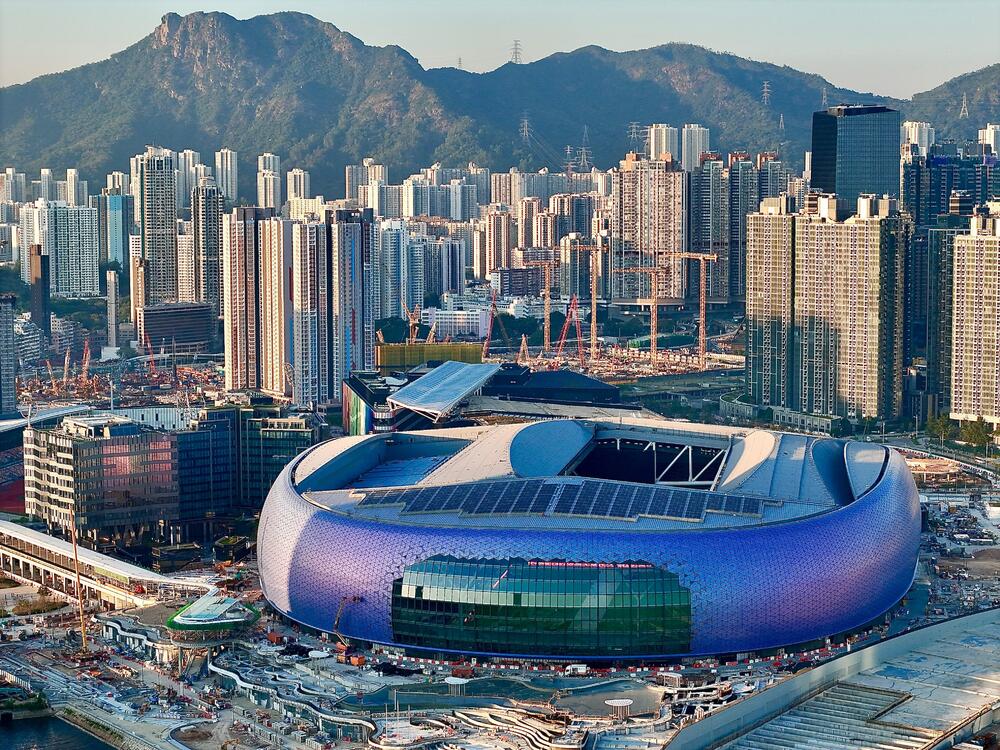
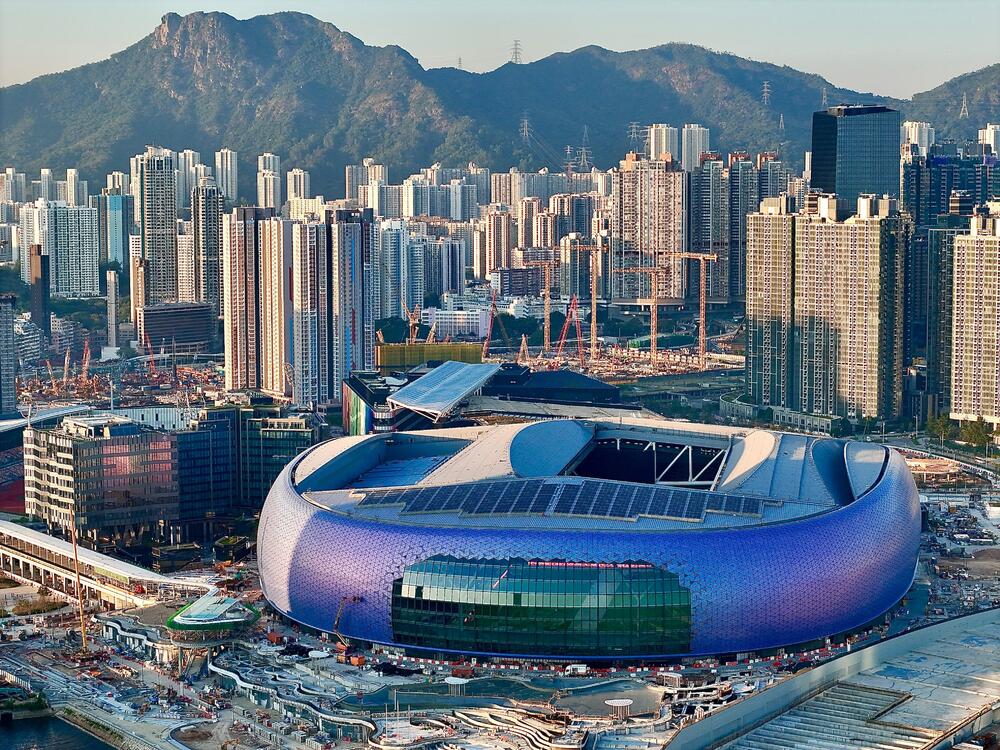
The Kai Tak Sports Park is set to celebrate its grand opening on March 1, with four free TV channels -- RTHK, TVB, ViuTV and HOY TV -- providing live coverage of the ceremony, announced Acting Chief Executive Eric Chan Kwok-ki.
ADVERTISEMENT
SCROLL TO CONTINUE WITH CONTENT
Before attending the Executive Council meeting Tuesday morning, Chan revealed that the government will host a 90-minute ceremony at the main venue at 6.30pm on the opening day, featuring performances by representatives from the local and mainland sports and cultural sectors.
“Like all Hongkongers, I am full of expectations and confidence for the new Kai Tak stadium. I anticipate that more large-scale sports and entertainment events will be hosted in Hong Kong, promoting the development of the sports sector and related industries,” Chan said.
“We will seize the opportunity to fully realize the potential of the Kai Tak Sports Park, developing it into a new iconic landmark in Hong Kong.”
He assured that relevant departments are diligently preparing for the event and that further details will be disclosed soon.
Chan highlighted that the Kai Tak Sports Park -- Hong Kong’s largest sports infrastructure project to date -- will offer a new experience in sports, leisure, dining, and shopping for locals, mainland visitors, and tourists worldwide.
In related news, Chan noted that the local economy thrived during the Lunar New Year holiday, with about 1.4 million visitors and over 2,200 tour groups in Hong Kong, leading to hotel occupancy rates reaching about 90 percent.
Last month, Hong Kong welcomed around 4.74 million visitors, with about 3.73 million from mainland China, reflecting year-on-year increases of 24 percent and 25 percent, respectively.
This marks the highest monthly inbound visitor count since the pandemic.
Also, a survey conducted by the Hong Kong Tourism Board last year revealed that the intention of overnight visitors to return to Hong Kong and the likelihood of recommending the city were both higher than the previous year, indicating the SAR’s strong appeal to tourists.
(Cheng Wong)