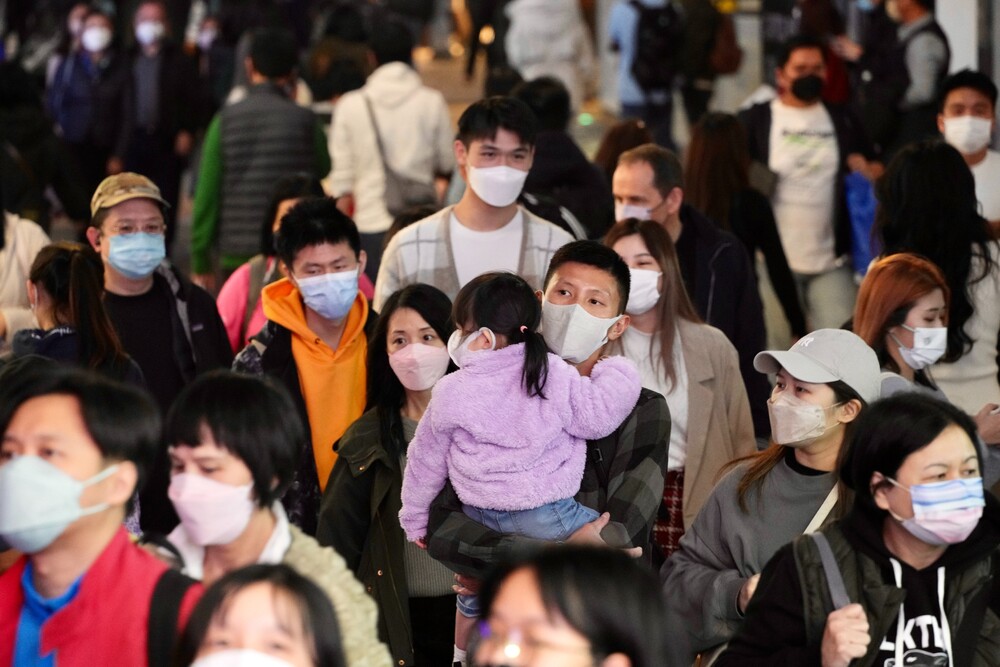
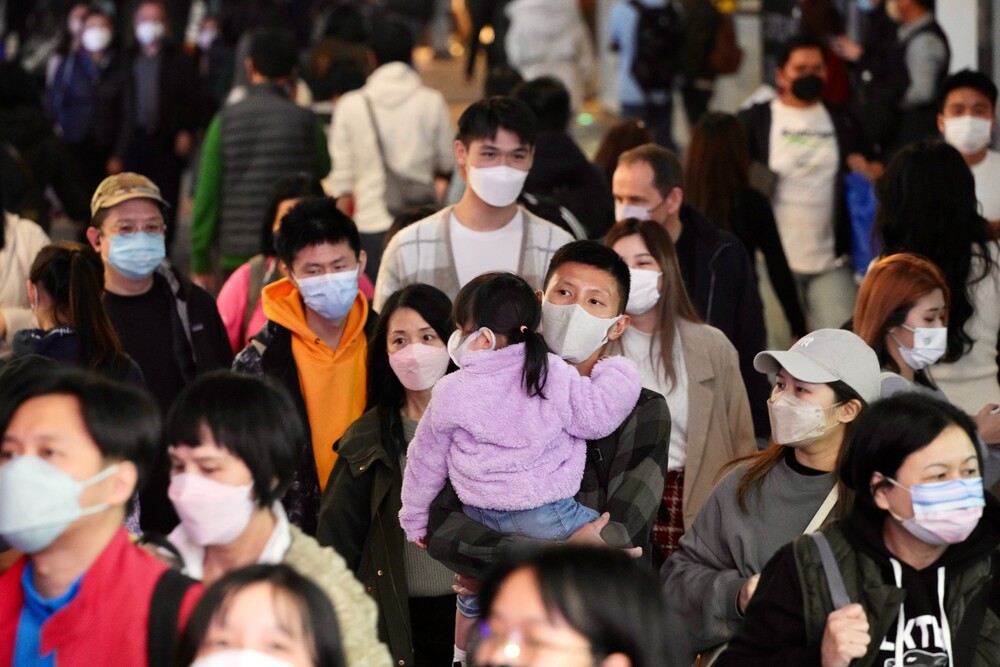
Flu vaccination inquiries have surged by 30 percent following the Lunar New Year holiday, as many Hong Kong residents who previously hesitated are now seeking protection against the virus.
Family doctor Lam Wing-wo attributes this shift to various factors, including health concerns during the holiday and the recent passing of celebrity ‘Big S,’ the Taiwanese actress Barbie Hsu.
“Some may have postponed getting vaccinated due to fears of feeling unwell,” Lam said, adding that the availability of vaccines has returned to normal after holiday disruptions.
Regarding the supply of vaccines, Lam said that the delivery was indeed affected earlier due to the holiday but has now returned to normal.
“I have also confirmed with the pharmaceutical companies that there is sufficient supply for use in Hong Kong,” he added.
Meanwhile, Henry Yeung Chiu-fat, vice president of the Hong Kong Chinese Medical Association, said that many travelers returning to Hong Kong have been experiencing symptoms like colds, coughs, and fevers, particularly those who visited Japan and South Korea.
Lam also said that several patients tested positive on Tuesday morning, adding, “Generally, we see more cases of influenza A, with a few cases of B.”
He said that Hong Kong’s flu season has lasted about 3 to 4 weeks so far, and the occurrence of 9 severe cases in children is unusual for this early in a typically 10-week season.
“Based on previous experience, H1N1 infections can also lead to more severe cases, which is worth monitoring,” he warned.
Following the death of ‘Big S,’ flu vaccinations have surged in Taiwan, with the government’s free vaccine supply dropping by 40,000 doses overnight, from 200,000 on Monday to 160,000 on Tuesday morning.
Minister of Health and Welfare Chiu Tai-yuan hopes to prioritize high-risk groups, like the elderly, for vaccination and noted that over 2 million doses of flu medication are available.
Taipei’s Department of Health estimated that the free vaccine supply will soon run out.
Deputy Minister of Health and Welfare Lin Ching-yi advised that besides high-risk groups at serious risk, those who frequently interact with others or plan to travel should consider the paid vaccine.
(Cheng Wong)