Read More

Hospital Authority call displays standardized prefixes to ease fraud fears
25-05-2026 19:13 HKT
Three arrested over missing fire door frames in public estate lift overhaul
16-10-2026 20:10 HKT


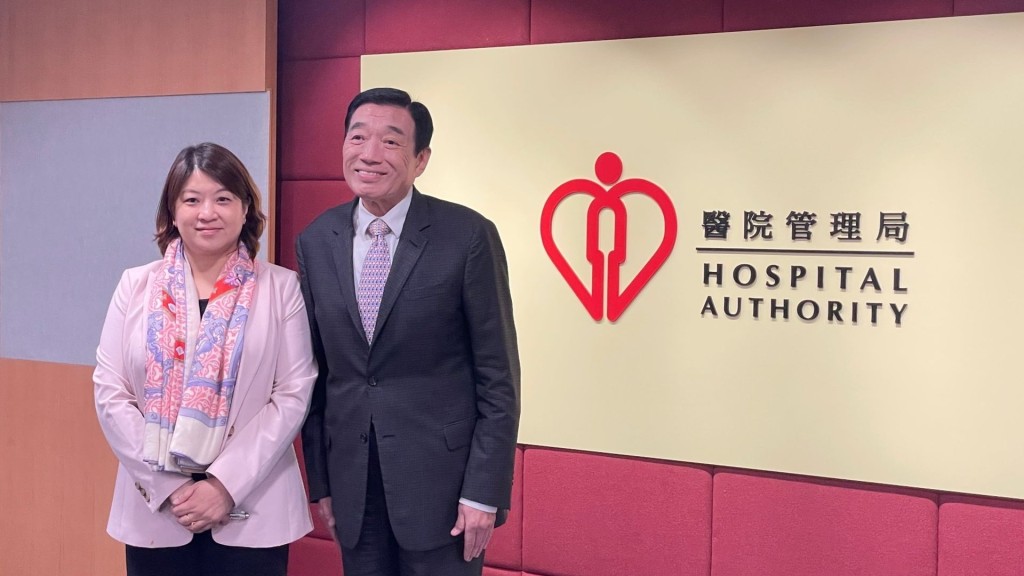
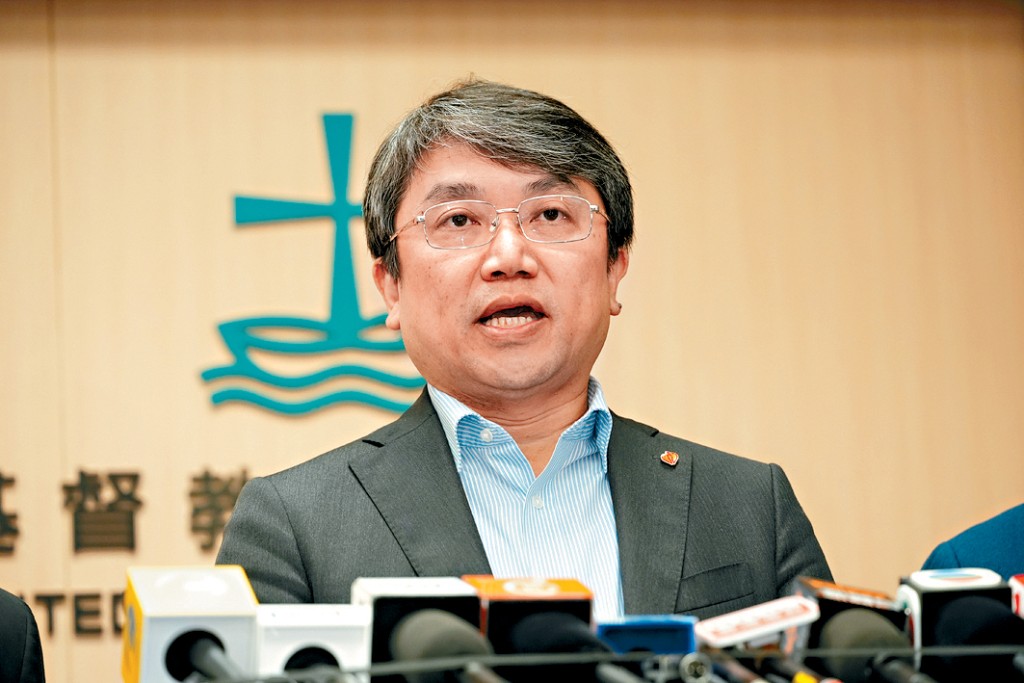
The Hospital Authority has rejected criticism that it is "fattening the top, starving the bottom" after its 2026/27 budget allocation increased by 2.9 percent to HK$103.1 billion, with Chairman Henry Fan defending executive pay as not high compared to other public organizations.
Fan said the authority has a rigorous mechanism for setting senior salaries, noting that the chief executive's pay requires government approval. "If you compare the chief executive's pay with the scope of responsibility – over 40 hospitals, more than 90,000 staff, serving 20 million patients annually – and compare it with other public organization heads in Hong Kong, you would tell me it's actually not high," he said.
The authority's 2024/25 annual report showed former chief executive Dr Tony Ko received an annual salary of HK$7.071 million. Hong Kong West Cluster Chief Executive Dr Theresa Li's annual salary of HK$6.366 million represented a nearly 15 percent increase from the previous year's HK$5.542 million.
Chief Executive Dr Libby Lee explained the increase was not a permanent salary adjustment but resulted from accrued leave payouts after Li retired and was reappointed as cluster chief executive. "She has been suffering in silence for a long time," Lee said, adding that Li would not receive a pay rise when she took up her new role as director of Hong Kong Island Cluster, Queen Mary Hospital, and Tsan Yuk Hospital from April 1.
Fan said the authority follows civil service pay adjustments and has long-established mechanisms for determining senior salaries. "I have no conflict of interest because I don't get paid. No matter how much fat there is, it can't go to me. It's not that we can increase salaries arbitrarily just because we want to," he said, noting that both the government and the authority had a pay freeze last year.
On why the authority's allocation increased despite the government's plan to cut 2 percent of recurrent spending annually for the next two fiscal years, Lee said the cut had already been factored in, with the remaining increase needed to meet growing service demand driven by demographic changes, rising chronic diseases, and new hospitals.
Fan said the authority is confident in achieving the 2 percent annual savings, citing a new drug dispensing measure saving over HK$30 million annually and centralized drug procurement saving hundreds of millions.
Under the authority's 2026/27 work plan, public hospitals will add 205 beds, increase operating theater sessions and pre-anesthetic assessment clinic sessions, expand family medicine clinic services and specialist outpatient visits, strengthen psychiatric and child and adolescent psychiatric services, and enhance radiology and pathology services.