Read More


Night Recap - October 9, 2026
11 hours ago
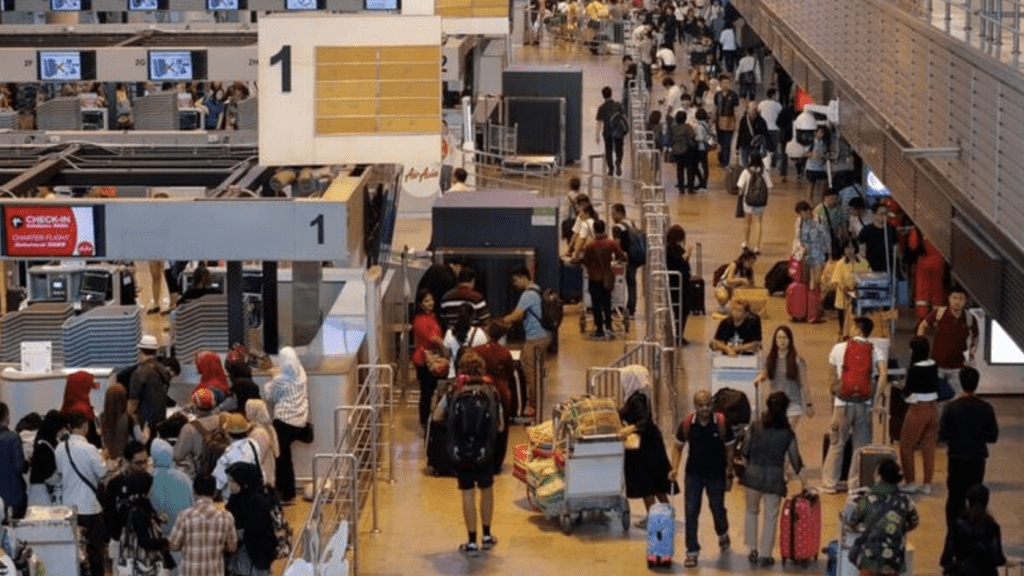
Thailand plans entry and exit fees totalling $338 for air travellers
09-10-2026 03:37 HKT


Woman found dead in tent at Sai Kung campsite
09-10-2026 03:51 HKT
The chief executive's suggestion that there is no separation of powers in the SAR is "unfounded and inconsistent" with the Basic Law, the Hong Kong Bar Association said.
The Basic Law expressly delineates the respective powers and functions of the executive, legislative and judicial authorities in various sections. It provides for a constitutional order where there are effective checks and balances on the exercise of executive power, the Bar said yesterday.
Under article 59, the administration shall be the executive authority and, as stated in article 64, accountable to the Legislative Council.
Under article 73, it is Legco that enacts, amends and repeals laws. Under article 80, the courts exercise judicial power and, as stated in article 85, they exercise that power "independently, free from any interference."
It added: "The SAR, through the chief executive, is accountable to the central government, speaks to the SAR's place within the constitutional order of China. It does not detract in any way from the clear provisions of the Basic Law setting out how local governance is to be conducted," it wrote.
Chief Executive Carrie Lam Cheng Yuet-ngor said on Tuesday the courts deal with legal issues but not political ones, the latter being matters for the executive or the legislature.
The Bar was of the view such an arrangement is an example of separation of powers. It recognizes that certain functions have been entrusted to the executive or the legislature and should be exercised without judicial intervention except as prescribed by law.
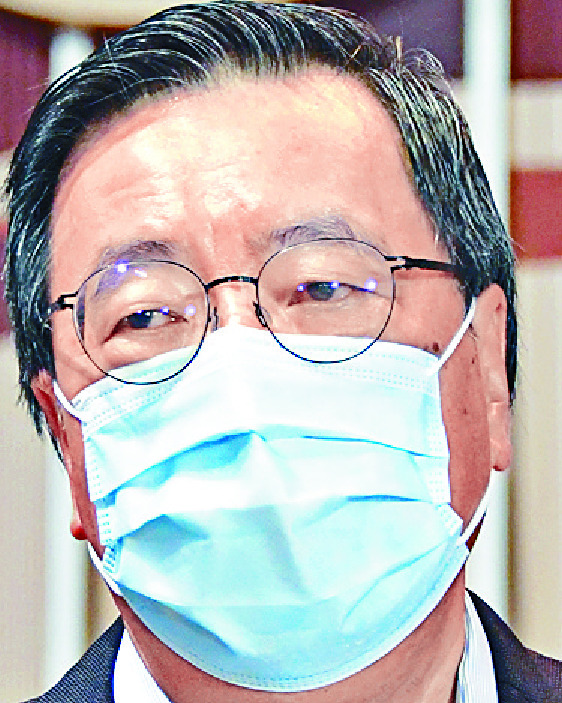
Its statement came after Legco president Andrew Leung Kwan-yuen joined in the row, saying the three branches have been checking and balancing each other.
But Leung stopped short of agreeing that the SAR's political structure is "executive-led," only saying everything should be in accordance with the Basic Law.
But executive councilor Ronny Tong Ka-wah said the row is "a bit meaningless"and "In terms of constitutional arrangements, there is indeed no direct mention of separation, but Hong Kong's internal governance does have a certain degree of separation of powers to check and balance the three branches."
Basic Law Committee deputy director Maria Tam Wai-chu said separation of powers refers to judgment principles used by courts, and should not be applied to politics.
Tam Yiu-chung, Hong Kong's sole delegate to the National People's Congress standing committee, said the chief executive, as stated in the Basic Law, represents the SAR and, as head of the executive branch, the branch and its head do possess more power.