Read More



Morning Recap - September 25, 2026
1 hour ago
UK denies BN(O) visas to Hongkongers with protest convictions: report
23-09-2026 18:59 HKT


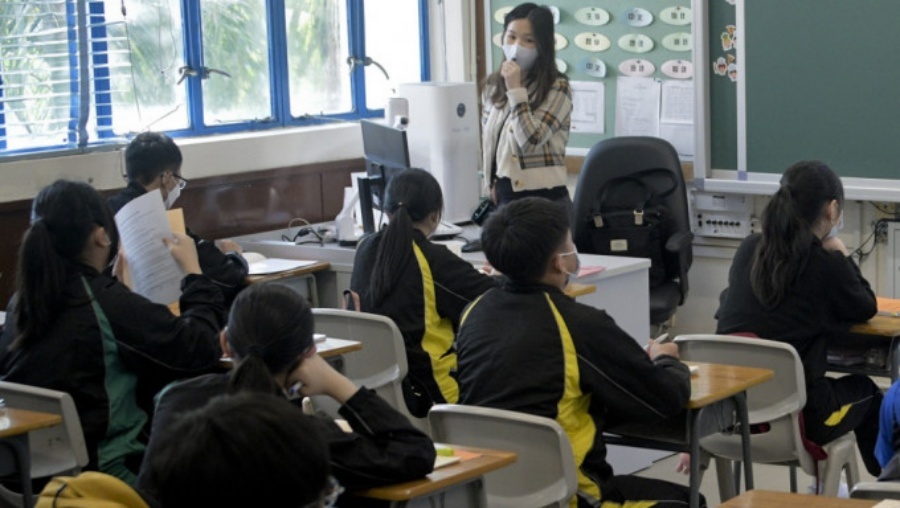
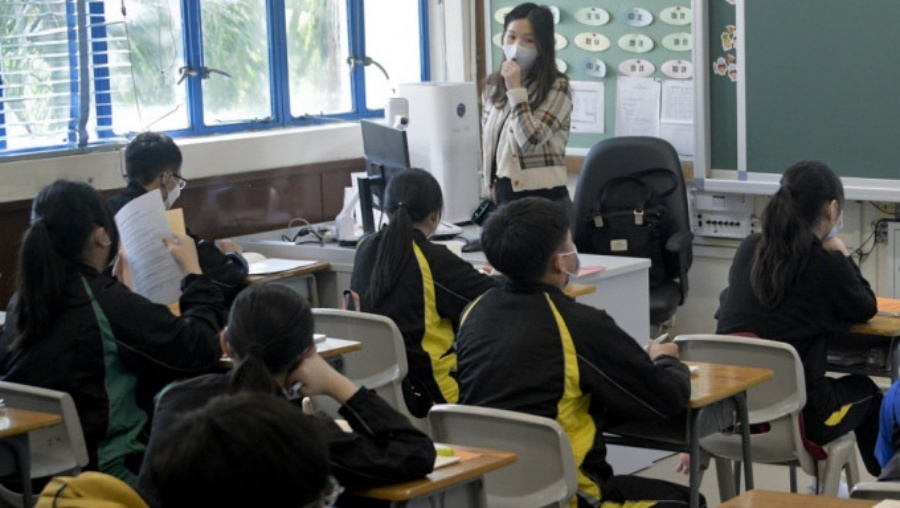
Hong Kong Aided Primary School Heads Association Vice Chair Polly Chan Shuk-yee expressed concerns on a radio program Tuesday about the timing of tests immediately following long holidays. She argued that this practice places undue pressure on students and recommended scheduling tests one to two weeks after the holidays instead.
During the program, Chan noted that some schools still adhere to a system of conducting two tests and two examinations annually. Typically, the first test occurs in November, with the first semester exams taking place in January, necessitating a specific arrangement of the academic calendar.
She further explained that if schools opted for three examination periods—in November, March, and June—it could help avoid the issue of testing right after holidays. However, she acknowledged that each school must tailor its schedule based on its curriculum needs.
Chan also highlighted the diverse opinions among parents regarding test scheduling post-holidays. Some parents believe holidays are the only time they can study with their children, while others oppose the idea of dedicating the entire break to academic preparation.
Esther Yip Sze-nga, a counselor and registered social worker with the Chinese YMCA of Hong Kong, shared insights into the challenges students face post-examinations. She revealed that the majority of requests for help they receive are from parents and some senior secondary students. Yip pointed out that many students struggle to articulate the sources of their stress, which sometimes leads to self-harm, requiring social workers to carefully uncover the underlying issues.
Yip also mentioned that some students feel guilty for enjoying their holidays, especially when they see peers studying. She recounted an incident where a student sought help on Christmas Eve, feeling distressed by the festive atmosphere because it contrasted with their academic worries.
She emphasized that holidays should serve as a period for students to unwind. Continuous studying during breaks can lead to an inability to relax and adversely affect mental health. This is particularly true in competitive primary schools where families might not take any leisure time, focusing solely on academics, which could negatively impact the psychological well-being of both the students and their families, potentially leading to more severe family conflicts.
Yip suggested that if tests or examinations after holidays are unavoidable, teachers should minimize holiday homework and consider spacing out exams for major subjects, extending the examination periods, and incorporating breaks to alleviate student stress.