Read More










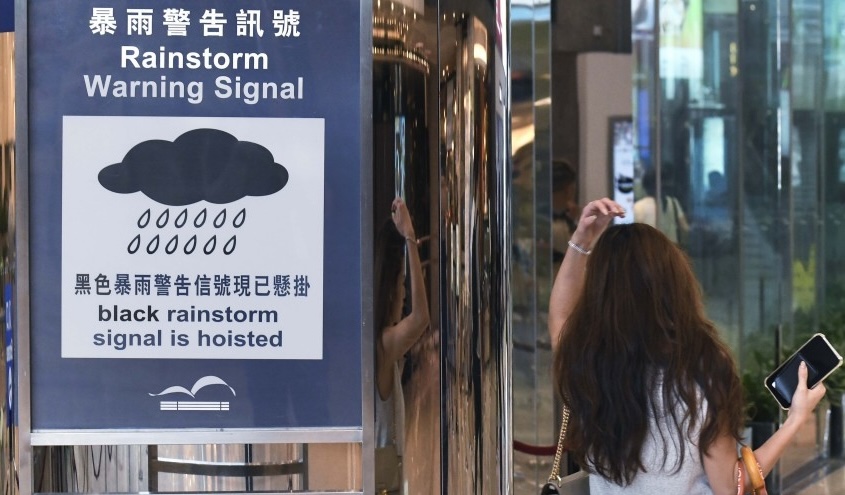
Black rainstorm warning in force as heavy rain disrupts schools and clinics
18-06-2026 13:28 HKT

TKO Hospital fatal stoma error: Surgeon mistakes stomach for colon
19-06-2026 00:40 HKT



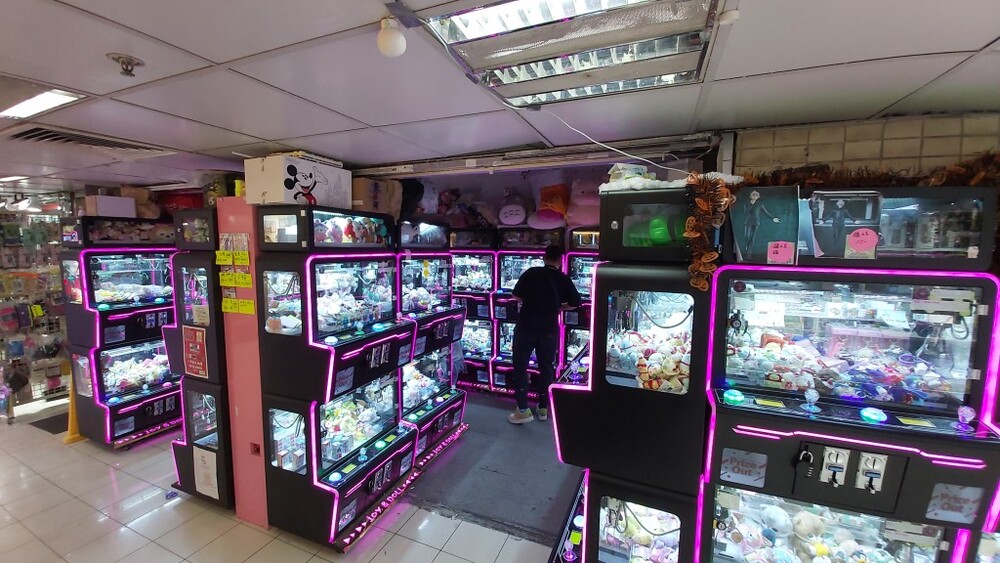
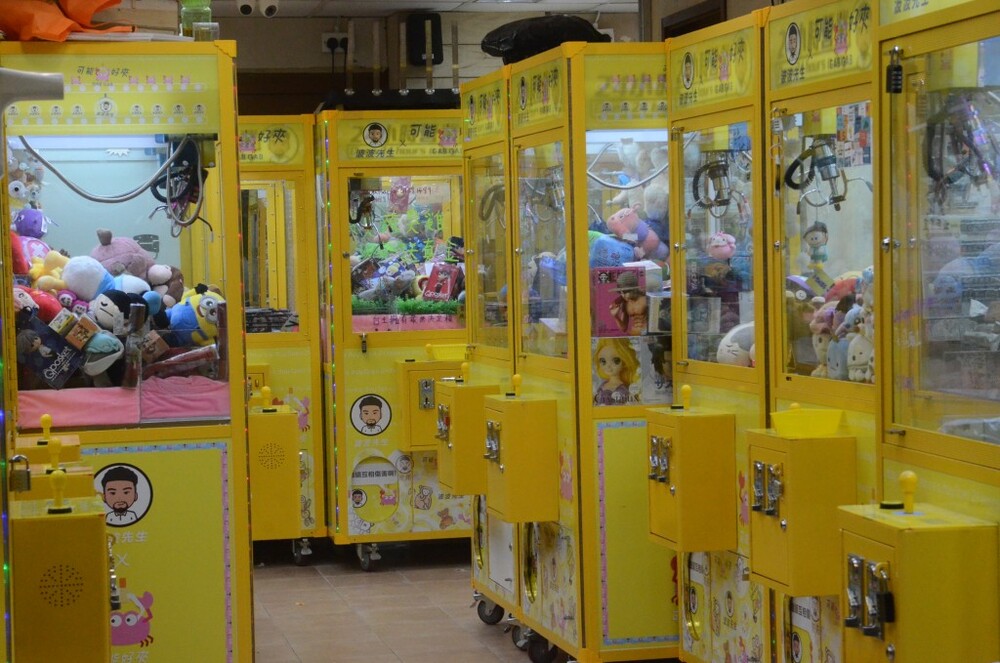
The Consumer Council received 42 complaints related to claw machine games from January to November this year, more than double the total of 16 complaints received for the previous year.
In a press conference on Monday, the consumer watchdog said the claw machine market capitalizes on consumers’ enthusiasm for testing their luck and attracts a dedicated clientele with a wide range of prizes, adding that these machines are increasingly prevalent due to their low operating costs and minimal entry barrier.
The Consumer Council said it oftentimes receives complaints about these machines, covering a myriad of reported issues.
These include the pincers automatically loosening coupled with an undisclosed “guaranteed grab” mechanism that acted as a minimum spend requirement. Other complaints saw the consumer successfully grabbing a winning paper slip but not receiving the displayed prize, leading to disappointment.
There were also reports of a shortage of coins in the coin exchange machine with refunds issued in the form of play rounds, thereby compelling further consumption, said the watchdog.
The watchdog noted that the industry often modifies claw settings or introduces
obstacles inside claw machines to make winning more challenging, thereby increasing revenue. However, the watchdog said such adjustments should be reasonable, and terms of play should be clearly stated to provide a positive consumer experience.
“The industry should display fair and clear rules for winning prizes, for example any terms and conditions for mechanisms such as the ‘guaranteed grab’ or points redemption being
visible on the machine to enhance transparency,” it said.
The Council also reminded the industry that linking coin exchange to play rounds is an unfair practice and no different from forcing consumption.
“This practice ought to be stopped and rectified to maintain public trust in the industry’s integrity,” it added.