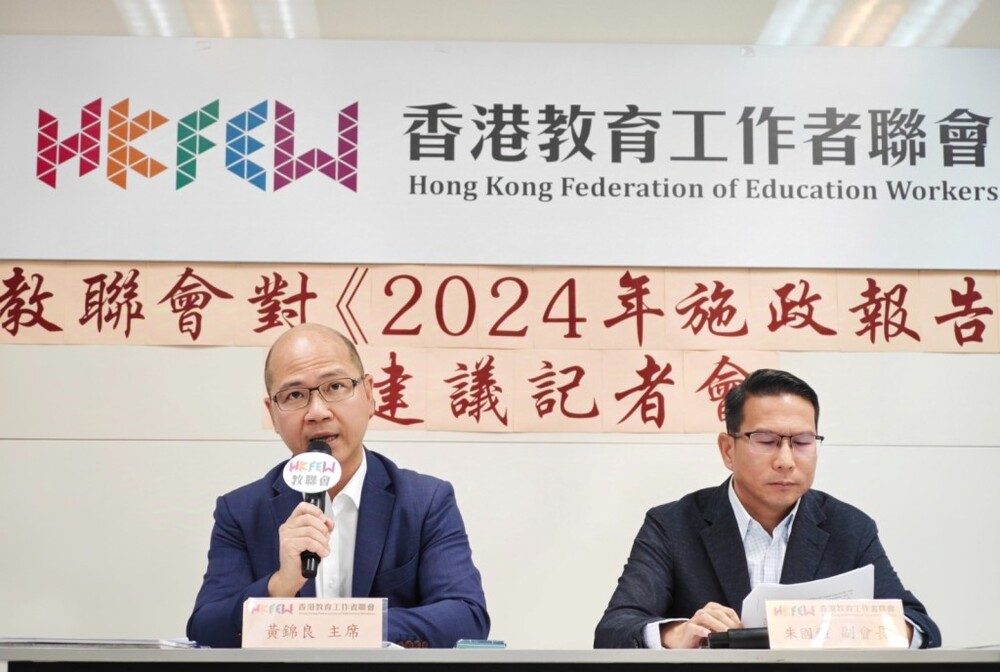
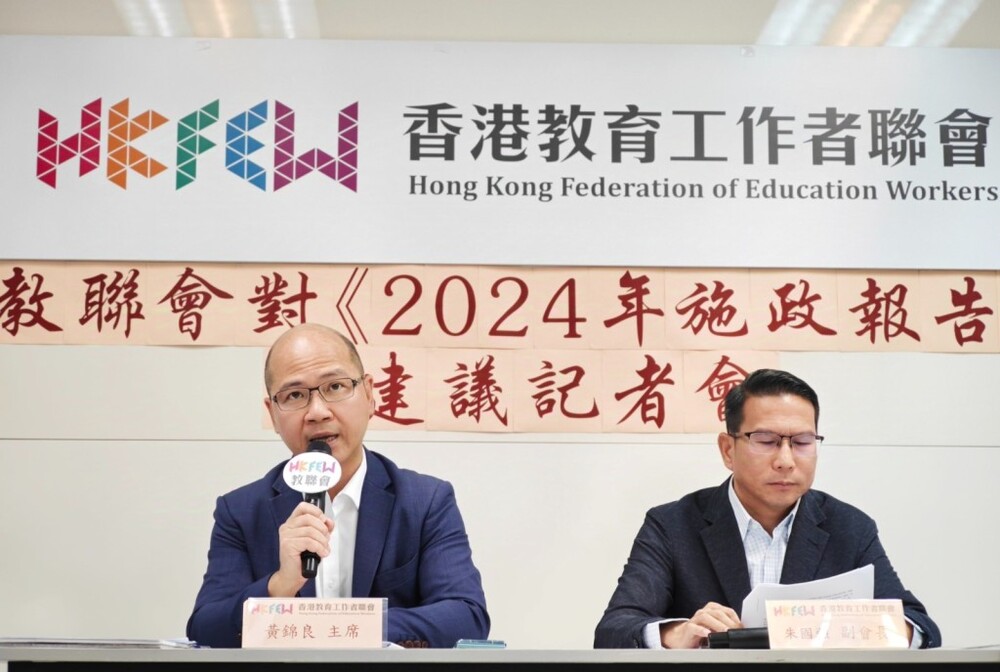
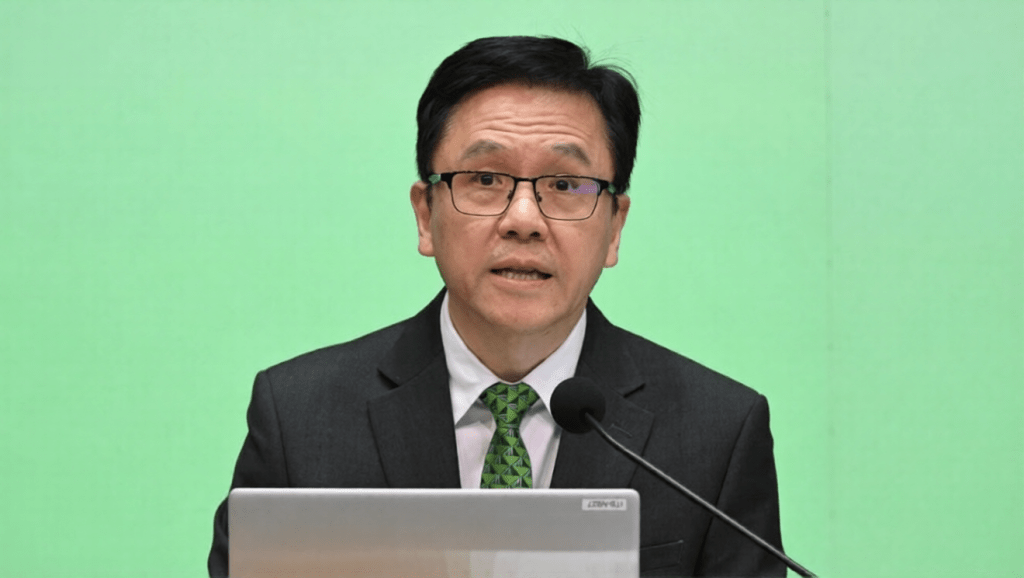
The Hong Kong Federation of Education Workers (HKFEW) voiced their suggestions for the policy address on Tuesday and added that including sex education in the Citizenship, Economics, and Society course held for junior secondary students might not reach its expected result.
This came after the Education Bureau previously revealed the sex education curriculum for the junior secondary Citizenship, Economics, and Society course.
Lawmaker Chu Kwok-keung said the curriculum that encourages couples to fill out a "commitment letter" to set intimacy boundaries has a limited effect and added that the negativity around the curriculum before it even rolls out makes it counterproductive to continue the use of such teaching materials.
He also thought sex education needs long-term planning and should start from a young age. Teachers and parents crucially need to establish trust with students at a young age to discuss sexual education rationally and healthily and not randomly bring out the commitment letter during secondary three or suggest students play badminton to control their sexual urges.
The teachers' union also suggested that there should be more establishments for patriotic education and use different channels to promote Chinese culture and strengthen patriotism.
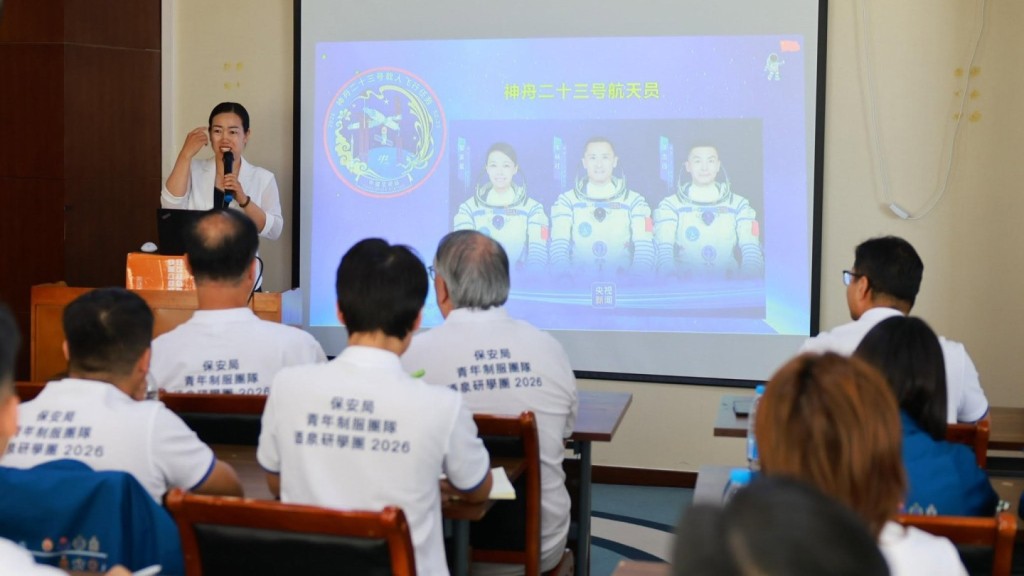
It is also recommended that new teachers in subsidized schools and teachers in government schools planning to be promoted should participate in mainland study tours to enhance their understanding of the country's situation and its “one country, two systems” policy.
The progress and results of investigations into teachers' professional ethics complaints should be publicly reported regularly to safeguard the teaching profession, the union added.
The HKFEW also suggested promoting mutual recognition of associate degree or associate degree qualifications from higher education institutions in both Hong Kong and China, along with strengthening vocational training and custody quotas for special school leavers.
Regarding the mental health of students, the union suggested extending the "Three-Tier School-based Emergency Mechanism," along with strengthening cooperation between different sectors, along with allocating more resources to train and import more mental health experts to decrease the time needed for students to receive appropriate services.