Read More

Govt announces 2 percent pay rise for civil servants
16-06-2026 16:57 HKT
Ingrid Yeung defends flat 2pc civil service pay rise ‘reasonable’
09-06-2026 18:40 HKT
Civil service pension spending to top $50b next year
03-06-2026 18:40 HKT
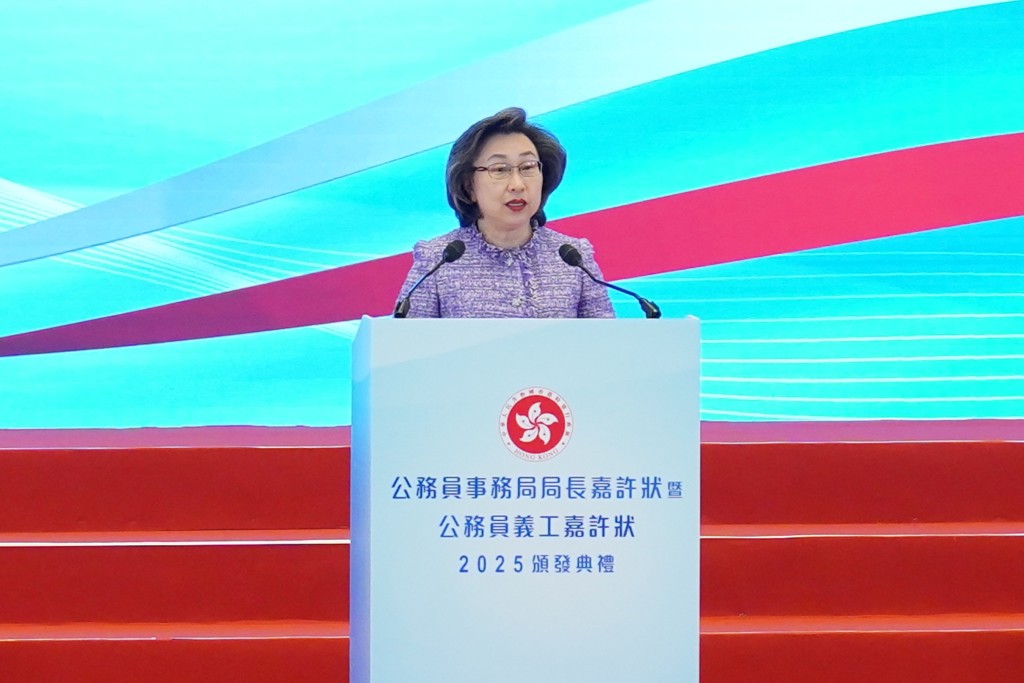



With mounting complaints and fiscal constraints, Secretary for Civil Service Ingrid Yeung Ho Poi-yan defended the flat 2 percent pay rise as both a recognition of civil servants' efforts and a necessary safeguard for the city's economy.
Her remarks came ahead of a meeting on Wednesday with four civil service consultative councils over the Executive Council's latest proposal for a 2 percent pay rise, effective retrospectively from April 1.
Speaking on a radio program, Yeung explained the decision was not mechanically calculated but based on six established factors as well as real-life situations.
With private sector wages rising, Yeung said the increase would recognize civil servants' work and boost morale.
Citing Hong Kong as an externally oriented economy, she stressed that the decision for a 2 percent rise was the result of careful consideration amid continued uncertainty in geopolitics.
In response to critics of focusing on fiscal considerations, Yeung clarified that the government's financial situation has always been among the six factors.
Yeung expressed confidence that the city’s civil service jobs remain attractive, offering a chance to serve society and engage in enforcement roles, believing the influence of salary adjustment remains limited.
However, not everyone was convinced as the latest salary adjustment fell short of proposals from several public service unions, which had suggested increases between 3 and 4.12 percent.
Junior Police Officers’ Association chairman (JPOA) Leung Chun-kit said after a meeting with Yeung that he had voiced members' dissatisfaction over the pay rise deviating from the mechanism.
Leung added that the union will also take its opinion to the police top management through other channels.
Similarly, Tsoi Koon-lung, president of the Hong Kong Chinese Civil Servants' Association, described the proposal as a “complete disappointment” on a radio program, noting the Council has rarely adjusted its final proposal after consultation.
He argued that public opinion should not be the main factor diverting the salary adjustment, suspecting the government's geopolitical risk and future-development arguments were excuses to suppress the pay rise.
Tsoi explained that the union's proposal of a 4.12 percent raise had taken factors including inflation and economic indicators into account, worrying that the huge gap would be a blow to civil servants' morale instead.
According to records, civil servants have received two flat increases and three freezes over the past five years due to the COVID-19 pandemic and fiscal deficits.