Read More
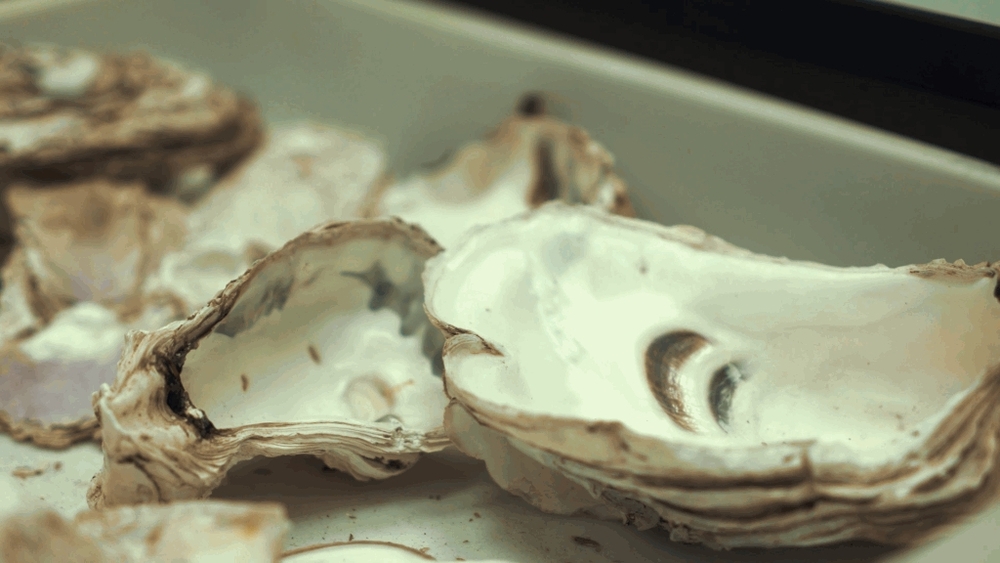
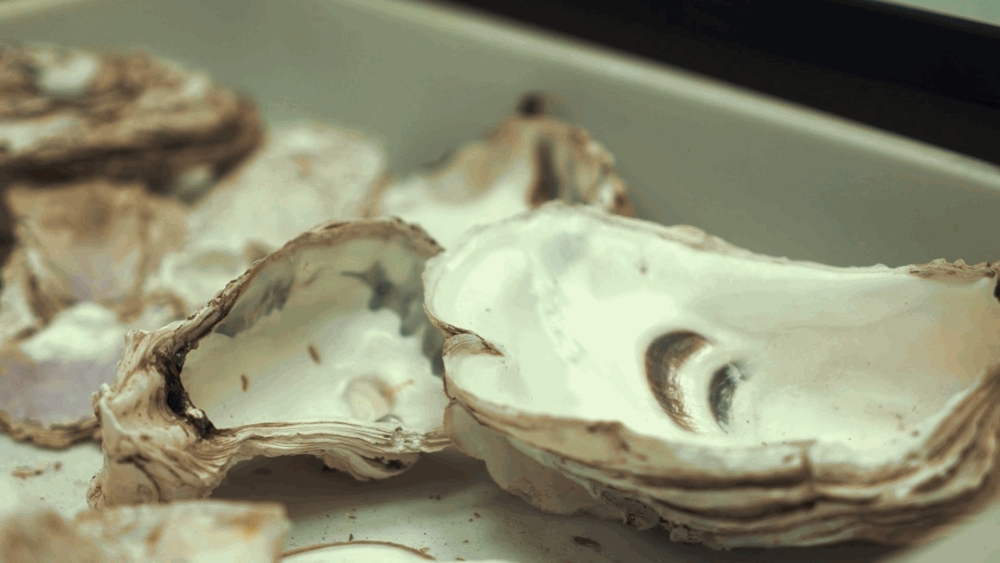
The Airport Authority Hong Kong is expanding the scale after satisfying results in its oyster shell recycling project, where discarded oyster shells were collected to restore oyster reefs and improve biodiversity near the third runway.
ADVERTISEMENT
SCROLL TO CONTINUE WITH CONTENT
Since the project first launched in 2021, it has gained significant attention and participating restaurants increased from five to ten in the past two years. A total of 46 tonnes of oyster shells were collected, showing a strong increase from the 18 tonnes gathered in 2021.
As of May, 520 rounds of oyster shell collection have been conducted by the project team, and they expect to collect 50 tonnes of oyster shells this year.
The authority’s Marine Ecology Enhancement Fund has continued to provide funding for the project’s continuation through last year, and welcomed the addition of restaurants such as the Verandah at The Repulse Bay, The Peninsula Hong Kong, the Royal Yacht Club, and more.
There are currently 15 restaurants and hotels in the program.
“With the funding support from MEEF, we are delighted to expand the project’s scale in 2023,” the authority’s general manager on sustainability Peter Lee Chung-tang said.
“This project not only benefits marine ecology, but also promotes waste reduction in Hong Kong,” he added.
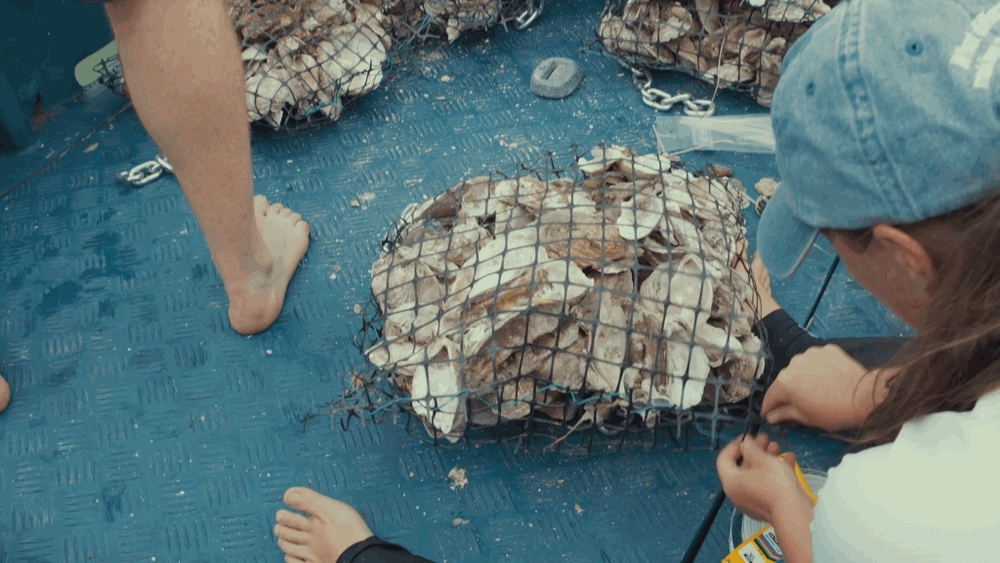
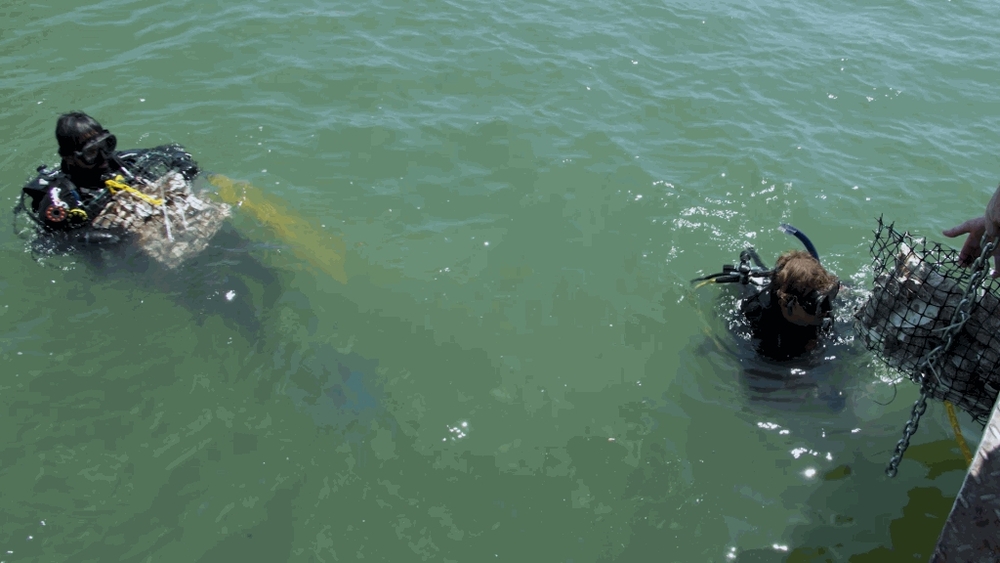
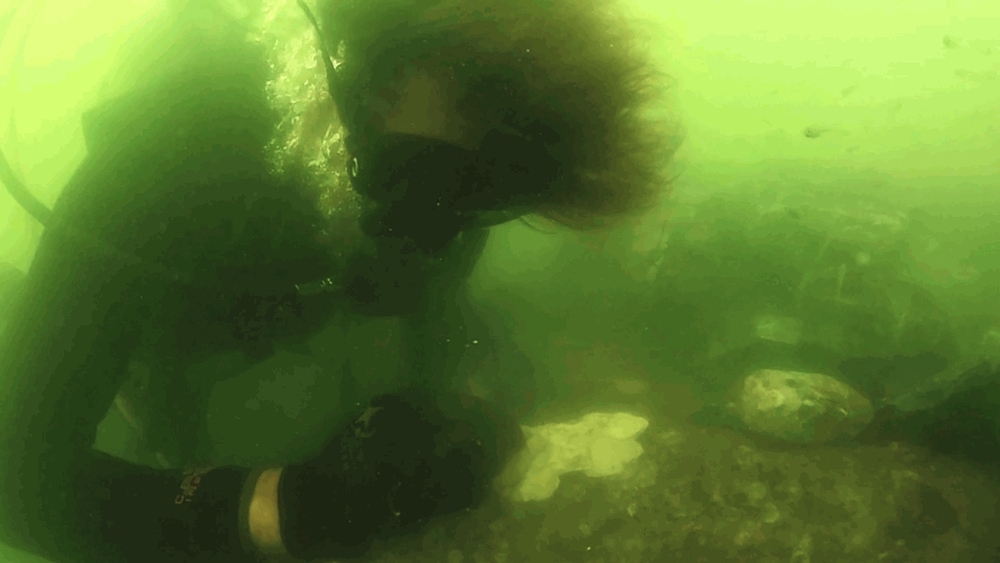
Working closely with The Nature Conservancy, the authority’s project team has been recycling oyster shells to aid oyster reef restoration near the newly constructed seawall and waters of the third runway.
They have also hosted talks on environmental and social initiatives to support the eateries and establishments in the program.
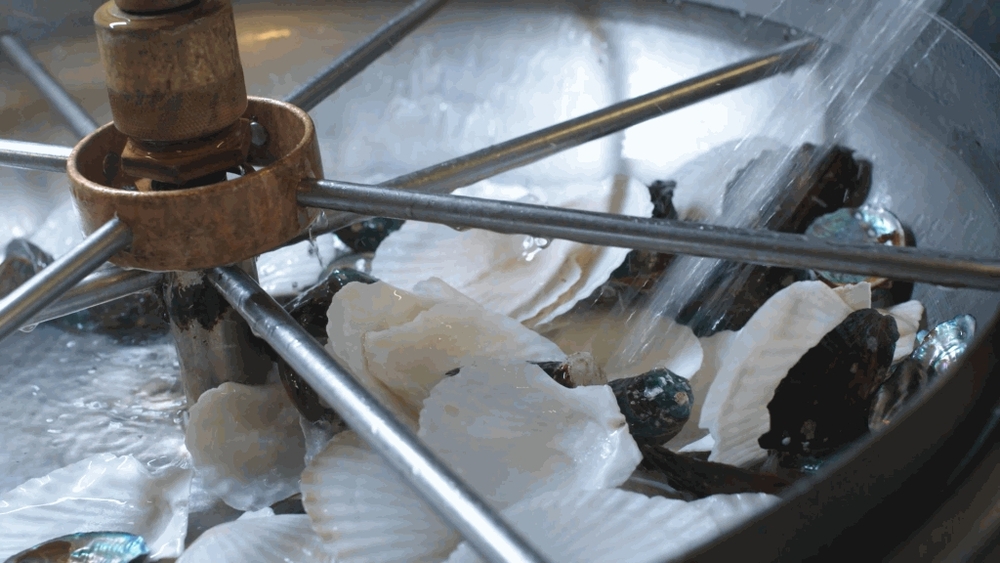
In a weekly effort, the project team collects cleaned oyster shells from restaurants and hotels in the project. These are then transported to a recycling site for further processing, where the oyster shells are sorted carefully, reducing the risk of transmitting diseases into the waters where they are released.
Returning these oyster shells to the oyster reef nearby the Third Runway and Tolo Harbour helps to enhance marine ecology and protect shorelines.
“Oyster reef restoration is effective in providing shelter for a wide variety of marine organisms,” Lee said.
‘We look forward to welcoming more hotels and restaurants to join this meaningful programme and make some positive change in our community,” he added.