Read More






Credit card fraud hits foldable iPhone Duo launch
17-10-2026 12:23 HKT

Three arrested over missing fire door frames in public estate lift overhaul
16-10-2026 20:10 HKT
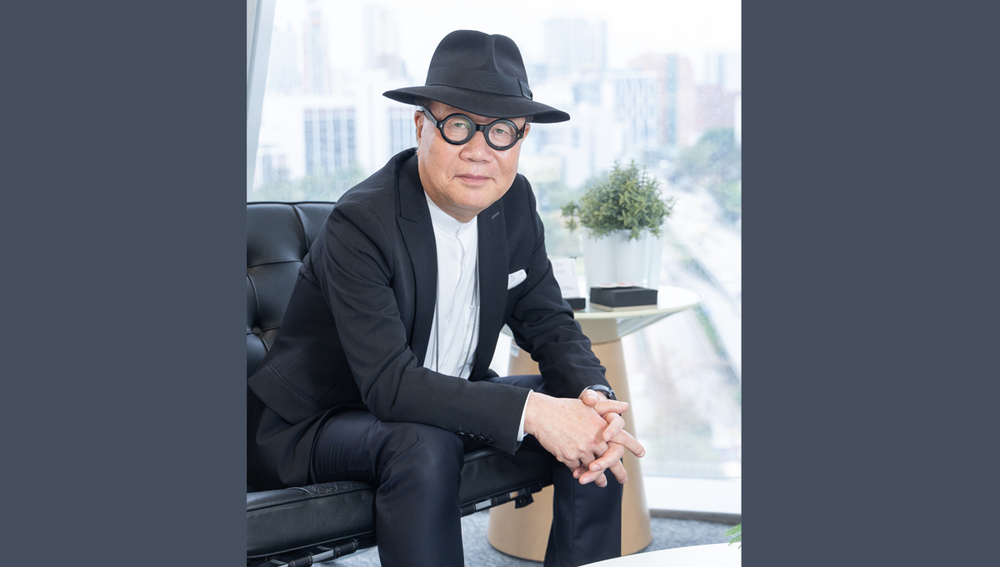
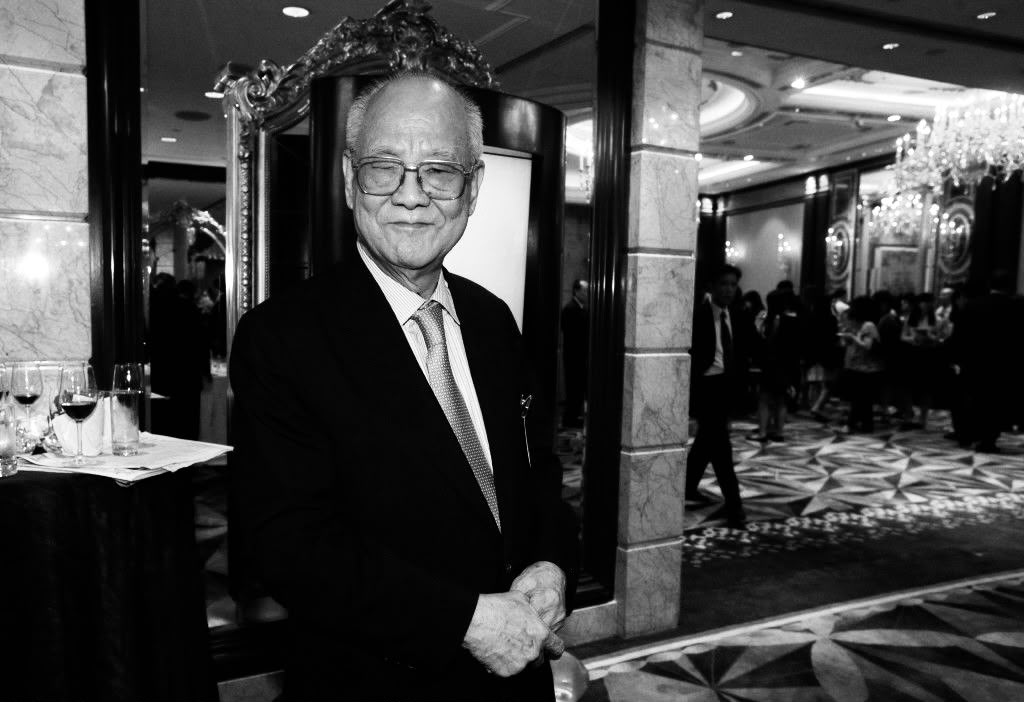
“We must ensure that our educational system produces flexible individuals who can accept any new paradigm,” says Professor Kun-Pyo Lee, Dean of the School of Design at the Hong Kong Polytechnic University (PolyU Design), as he explains his perspectives on the design philosophy of the School.
As one of the top design schools in the world, PolyU Design is dedicated to grooming multidisciplinary designers and creative professionals who can satisfy societal demands. Building on a strong, fundamental foundation, students work on projects that address business and social issues both inside and outside of the curriculum, thanks to a strong network of academic and industry partners.
“At our Li Ka Shing Design & Innovation Center, we select promising ideas among our students and faculty members, encouraging and supporting their collaborative efforts,” Professor Lee elaborates.
As a top-tier international design school, PolyU Design was ranked 15th on the Quacquarelli Symonds (QS) World University Rankings for Art and Design in 2020 and is consistently among the top 20 in the world.
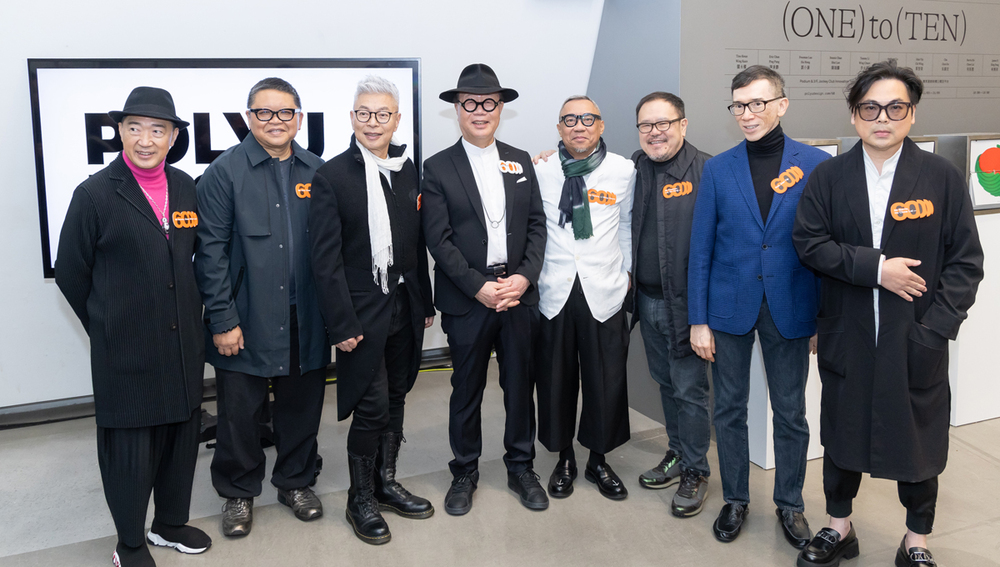
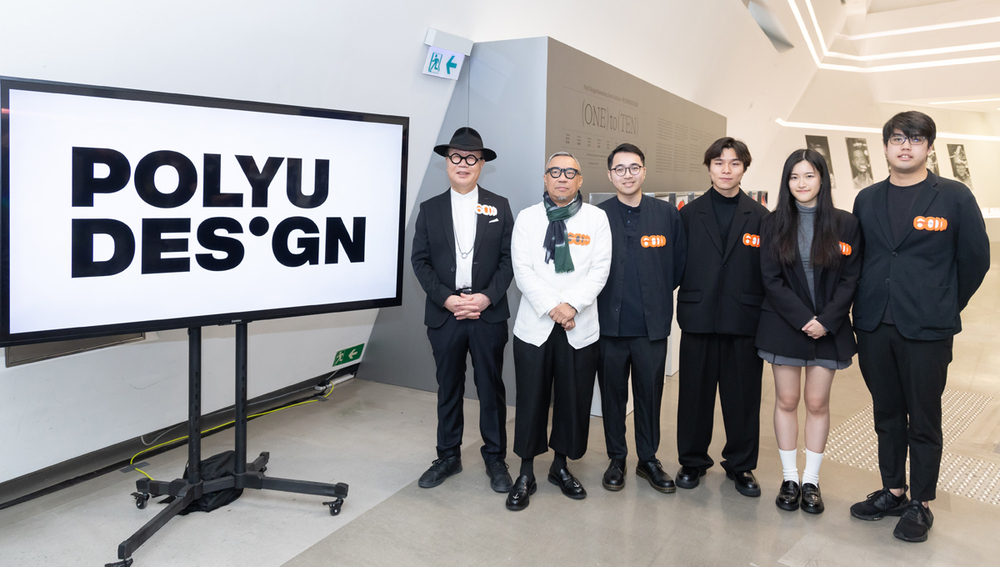
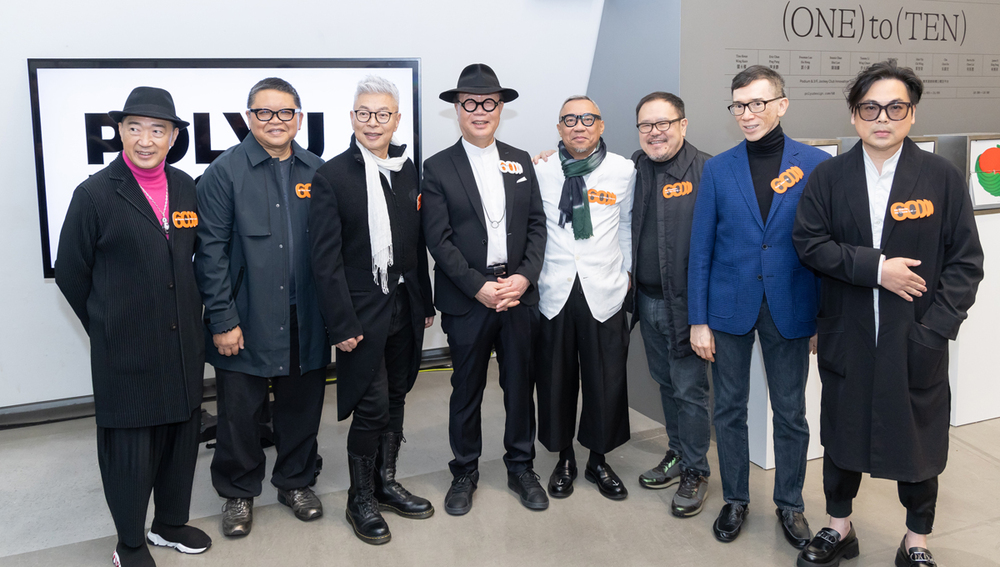
2024 marks PolyU Design’s 60th anniversary. To celebrate this special occasion, the School will be holding a series of inspiring activities revolving around “Designing Time”.
“The term ‘designing time’ has multiple meanings. First, design is more than just creating a man-made object, it is also about designing time,” explains Prof. Lee. “As design constantly evolves, we must answer new paradigm shifts in that specific time. Designers need to evolve and adapt continuously.”
Looking back at the PolyU Design’s development over the past six decades, Prof. Lee highlights the fact curriculum modifications over the years have amply demonstrated the School’s commitment to developing creative talent and its ability to adapt to changing times.
According to Prof. Lee, PolyU Design first introduced product design in the 1980s. To keep up with the digital revolution, the School established media and interaction design when it entered the information era in 2000. In addition, the School has expanded into social and service design to address the needs of the 90+% service sector that currently makes up the economy of Hong Kong.
PolyU Design is, he says, dedicated to creating human-centered products, services, and brands that will satisfy public, business, and industrial demands both now and in the future.
He points out the fallacy of a product-centered approach in design: “What distinguishes design is its capacity to envision the future through a human-centered approach.”
He also underscores the significance of social responsibility for students. “Today’s designers are becoming more conscious of their need to incorporate social purpose into their creations.”
Citing the example of PolyU Design’s Professor Peter Hasdell and his team, he points out that they have been collaborating closely with Mainland Chinese rural communities, empowering the locals to build their own community.
Looking ahead on upcoming trends and challenges facing design education, Prof. Lee believes that the needs of the global market call for a diverse range of designers and that emerging technologies present both opportunities and risks.
“Generative AI is rapidly replacing designers’ skill sets,” he remarks. “They can now, for example, create animation and furniture design.”
“Our discipline will be obsolete unless we identify the threats and seize the opportunities that have been generated at the same time,” he concludes.