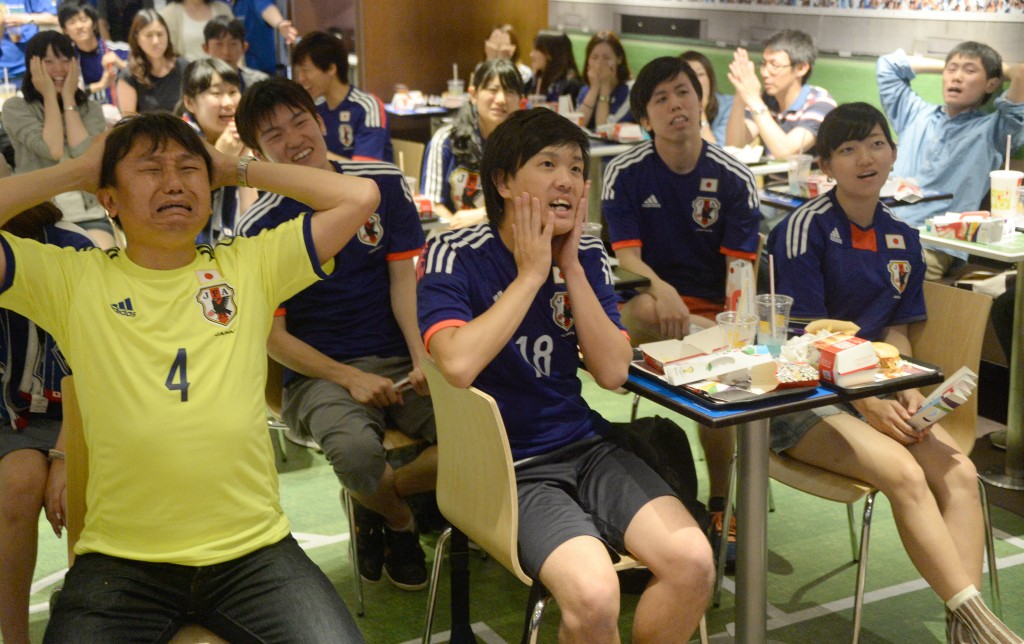
While the long-awaited World Cup is bringing football fever to the city, the bar industry anticipates a whistle-blow on the taps due differences in time zones.
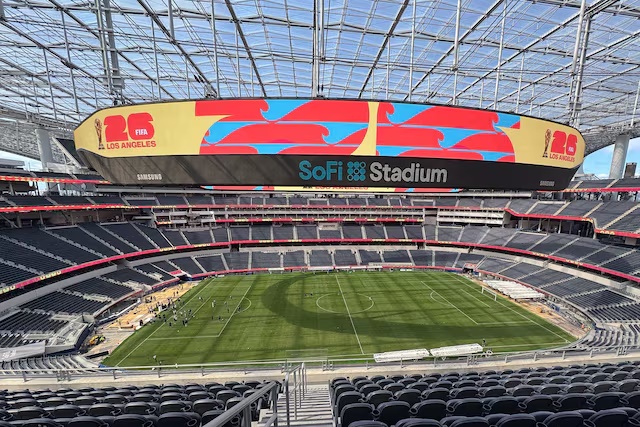
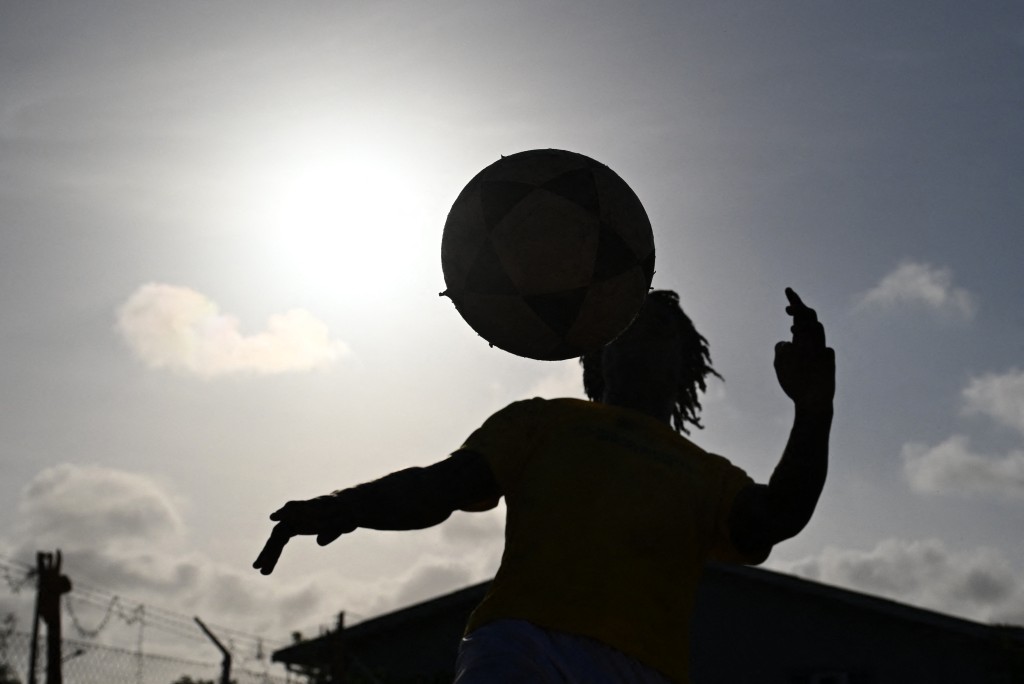
Kicking off next month in the United States, Canada and Mexico, the quadrennial tournament expands to 48 teams and 104 matches this year, with 25 matches to air on free television channels.
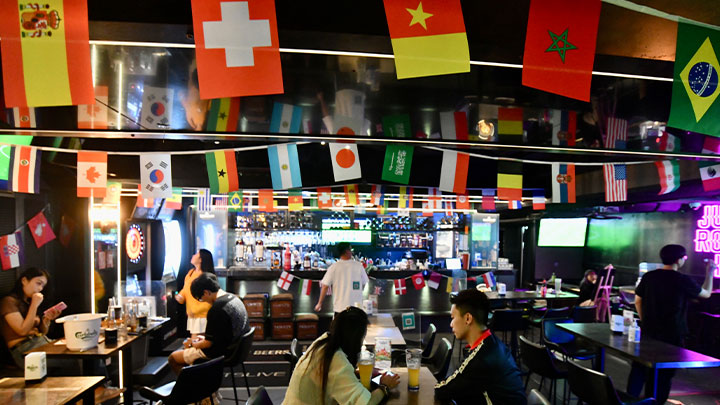
However, in an interview with Sing Tao Daily, the sister publication of The Standard, many bar owners on Sai Yeung Choi North Street and Tung Choi Street, also dubbed as “Prince Edward Bar Street,” said they will not broadcast the matches this year.
“It's just a waste of money,” one owner noted, adding that the time of the matches clashed with their operating hours.
As for Knutsford Terrace, a renowned nightlife street in Tsim Sha Tsui, only three bars will stay open for the matches.
Half of bars likely sit out
The Hong Kong Bar and Club Association vice president Chin Chun-wing anticipates that at least half of the bars would skip the World Cup broadcast since the morning matches will kill their edge.
“Citizens can even watch the matches at local cha chaan teng and Chinese restaurants,” Chin added. With only about four or five out of 10 matches airing during bar hours, he explained that many owners might cut their costs and simply not broadcast.
Despite the last World Cup having brought a revenue of HK$700 million to the city’s bars, he projected the industry revenue to drop by over 80 percent to just HK$150 million.
Business damaged by illegal platforms
Echoing a similar view, lawmaker Peter Shiu Ka-fai warned that the increasing illegal streaming of the matches, which allows viewers to watch without paying, could deter future investment in Hong Kong's broadcasting rights if legal buyers are not protected.
He urged the government to take the issue seriously and to shut down illegal viewing channels.
Additionally, lawmaker Edward Leung Hei cited the reluctance of most businesses to buy broadcast rights, which might lower customers’ motivation to head out to watch the matches.
"We would need an extra working shift to attract customers between 4 and 6am, which would cost a lot of money," Leung said, expecting most fans will watch the football at home or at friends' places rather than heading to the bars.
He added that tea restaurants generally lack TV setups, and with high broadcasting fees and rent costs, it is likely the industry will prioritize customer turnover over World Cup broadcasting.