Read More
With awareness of ESG spreading across Hong Kong companies, new opportunities have emerged for those embracing sustainable business practices. Otsuka Pharmaceutical has emerged as an industry leader blazing a trail by augmenting its environmental and social impacts for the benefit of both people and the planet.
ADVERTISEMENT
SCROLL TO CONTINUE WITH CONTENT
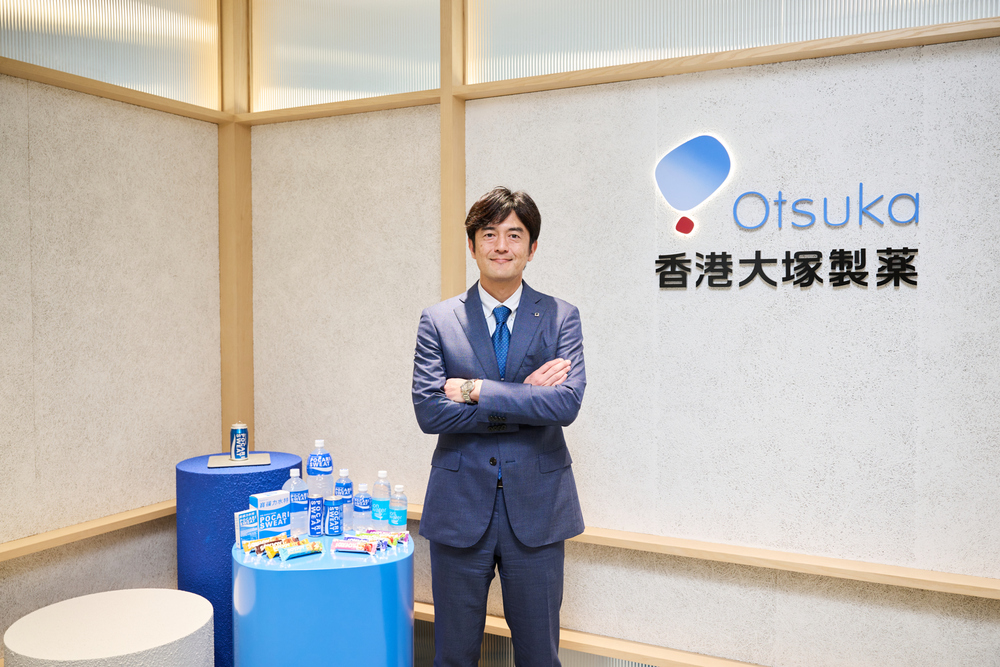
Koji Ueda, Managing Director of Otsuka Pharmaceutical (H.K.) Ltd, has witnessed a dramatic rise in environmental, social and governance (ESG) awareness among Hong Kong businesses in recent years.
“The growth has been remarkable,” says Ueda. “Where ESG was once a niche issue, corporations now recognize its critical importance to ensuring sustainable long-term success in challenging times.”
According to Ueda, who leads a company recognized as one of the most proactive on ESG issues in Hong Kong, both internal and external stakeholders are increasingly demanding accountability on how organizations minimize their environmental footprint and positively impact society. And the ESG landscape is constantly evolving as companies face growing climate and economic challenges.
“More work needs to be done to boost public understanding of ESG and translate it from concept to tangible practice,” he explains.
From early adoption to ongoing innovation
At Otsuka Pharmaceutical, Ueda’s goal is to seamlessly weave ESG into the very fabric of its research and development, supply chain management, and community initiatives.
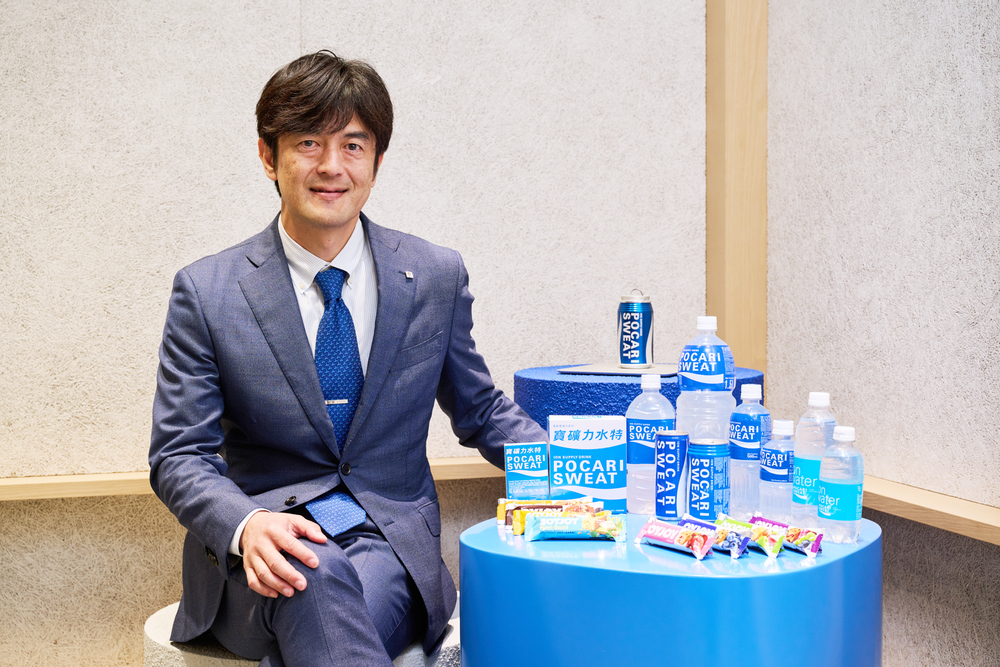
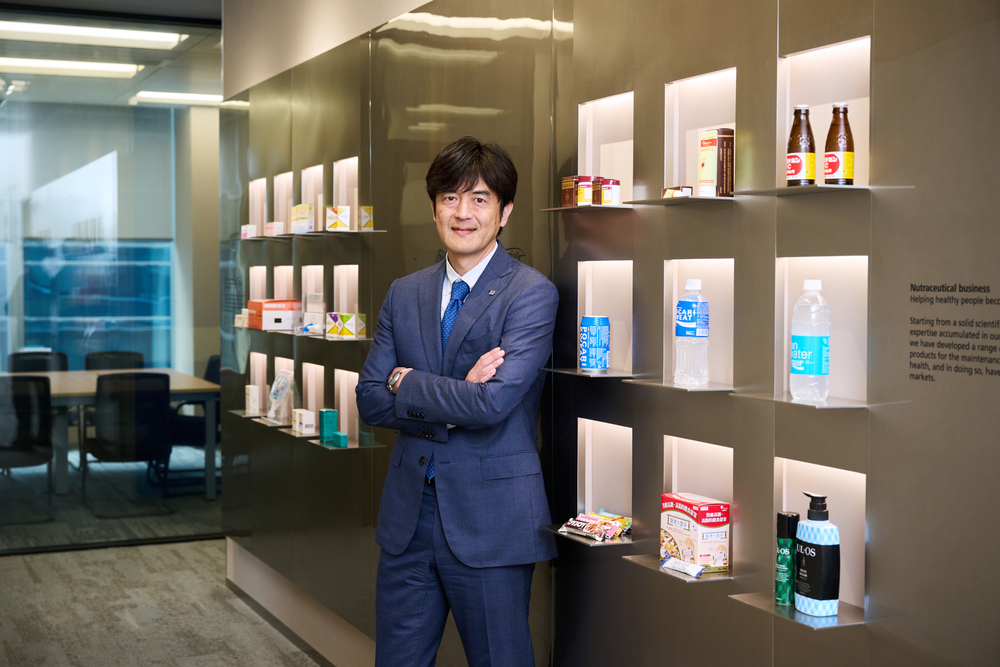
“As a holistic company, we operate in two key business areas: pharmaceutical products for the diagnosis and treatment of diseases, and nutraceutical products that support day-to-day health maintenance and improvement,” he says. “Our mission is clear: Otsuka-people creating new products for better health worldwide.”
A champion of corporate social responsibility, Otsuka has demonstrated a long-standing commitment to sustainability through early adoption of Sustainable Development Goals. It spearheaded initiatives such as developing the innovative ECO bottle in 2007 to reduce plastic usage by 30% across its beverages.
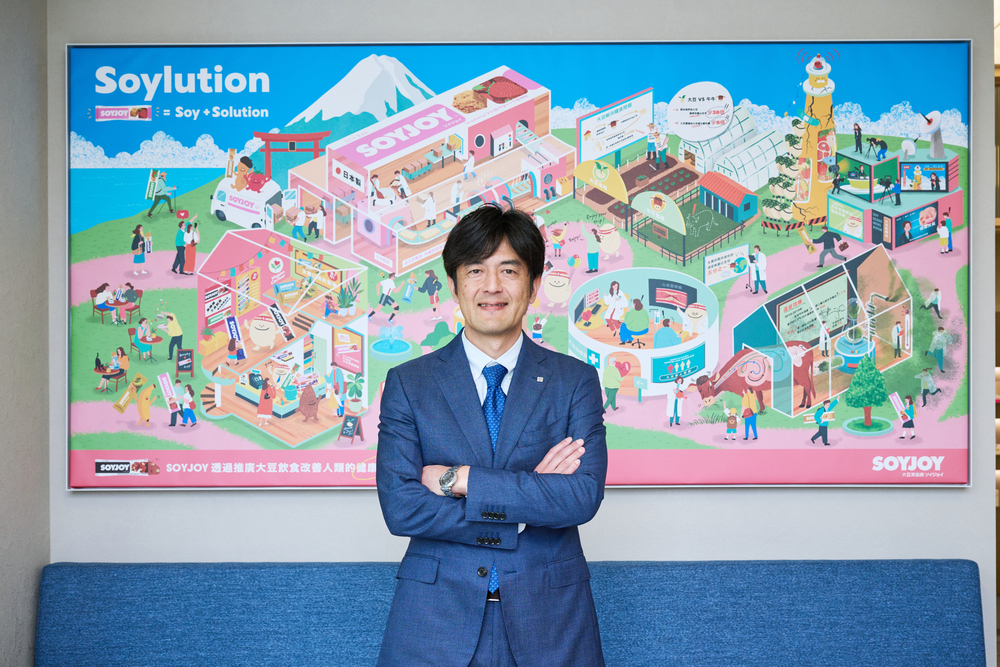
After launching the SOYJOY product line-up in 2006, the company rolled out the Soylution campaign in 2009 to educate consumers about the health and environmental benefits of soy as a more sustainable source of protein. Otsuka also pioneered sustainability reporting in its Annual Report in 2009 and its Corporate Social Responsibility (CSR) report in 2011. More recent projects have included transitioning SOYJOY packaging from oil to water-based ink, reducing carbon emissions by 5 tons annually.
Pumping up mental health
The De-Stress-Express (DSE) program stands out as one of Otsuka’s most impactful community initiatives.
Steered by Otsuka Hong Kong in partnership with The HK Mental Wellness Association, this outreach effort is breathing new life into secondary schools’ wellness programs.
“It supports teachers and students by addressing stress and mental health challenges, especially as deadlines loom for the Hong Kong Diploma of Secondary Education Examination (DSE),” Ueda explains. With expertise imparted by mental health professionals and fitness coaches, the program introduces stress management strategies and the power of exercise to reinvigorate well-being.
“Students are encouraged to use exercise as a tool to alleviate stress and enhance overall well-being,” Ueda says, adding that they also learned when and how to seek help when difficulties arise.
The program further includes dedicated training for teaching staff, providing them with techniques for managing stress and skills for effectively supporting students with special needs. “Feedback from participants has been highly positive,” Ueda says.
Students credited the stress coping strategies and overall wellness focus for helping them achieve peak academic performance despite pressures. In particular, they found towel stretching exercises refreshing and easy to follow; many were keen to learn about the relationship between obesity and health.
“The students really responded to hearing from expert speakers in the field, more so than just from their regular teachers. Having professionals who know about mental health and stress come in and talk to them directly, I think it makes the advice they’re giving more compelling,” Ueda notes.
Teachers also welcomed the opportunity to raise mental health awareness among youngsters. Some schools even commented that the program helped share their workload supporting the wellbeing of students.
Above and beyond
Given Hong Kong's current shortage of mental health resources, it's evident that the program has made a meaningful difference.
“During a workshop activity, a speaker recognized signs of unaddressed mental health issues in one student. This allowed them to bring it to the attention of the school, who was then able to provide coaching and support to help that student,” Ueda shares.
By facilitating connections between teachers and psychiatric professionals, the program equips teachers with expert advice for helping students. Where some schools already have mental wellness programs in place, these workshops provide complementary solutions.
Riding on this success, Ueda says Otsuka is committed to “benefiting all secondary school students and teachers long-term by extending the program’s reach.” Near-future goals include expanding the program to reach 50% of Hong Kong schools within 10 years.
As of January 2024, they have already gotten 6 schools enrolled in their seminar. For 2024, they target doubling the number of seminars to at least 18 by the end of 2024. According to Ueda, Otsuka is actively exploring the feasibility of implementing a mentorship program to tap the power of peer influence and also extending its reach to include parents as a target audience.
Through tailored mental health education, Otsuka’s De-Stress-Express program has empowered participants to embrace exercise as a tool to build resilience against future challenges. Ueda hopes to foster an understanding of “the intrinsic link between resilience, stress management, and physical activity” among the general public going forward.
Sustainability across the board
Beyond the education sector, Ueda sees potential to adapt De-Stress-Express to benefit other industries grappling with immense stress. “We seek to apply knowledge and learnings from the program through customized wellness initiatives for other industries,” he says.
Otsuka Hong Kong’s Health Education Department has extensive experience organizing over 7,000 healthcare seminars reaching millions of participants since 1999. While primarily focused on nutrition, this expertise could translate well to addressing mental health challenges in the community.
Strategic partnerships with industry associations provide Otsuka with a nuanced grasp of professionals’ distinctive needs, Ueda explains. “By working together, I am sure we can address diverse challenges across the economic spectrum,” he adds.
As for ESG goals, Otsuka Group strives to minimize environmental impact through environmental stewardship. Targets set for 2028 include slashing carbon emissions by 50% against 2017 levels, and nearly halving waste disposal compared to 2019. Global expansion of their plant water management program and strategies for water-scarce business regions also show the company’s commitment to forging a roadmap to long-term environmental protection.
“We are making great strides towards these targets and the long-term vision of reaching net zero by 2050, demonstrating a strong commitment to sustainability,” says Ueda. “We are conscious of our role in building a sustainable future and prioritizing employee and public wellbeing.”
+1