Read More






Morning Recap - July 27, 2026
8 hours ago



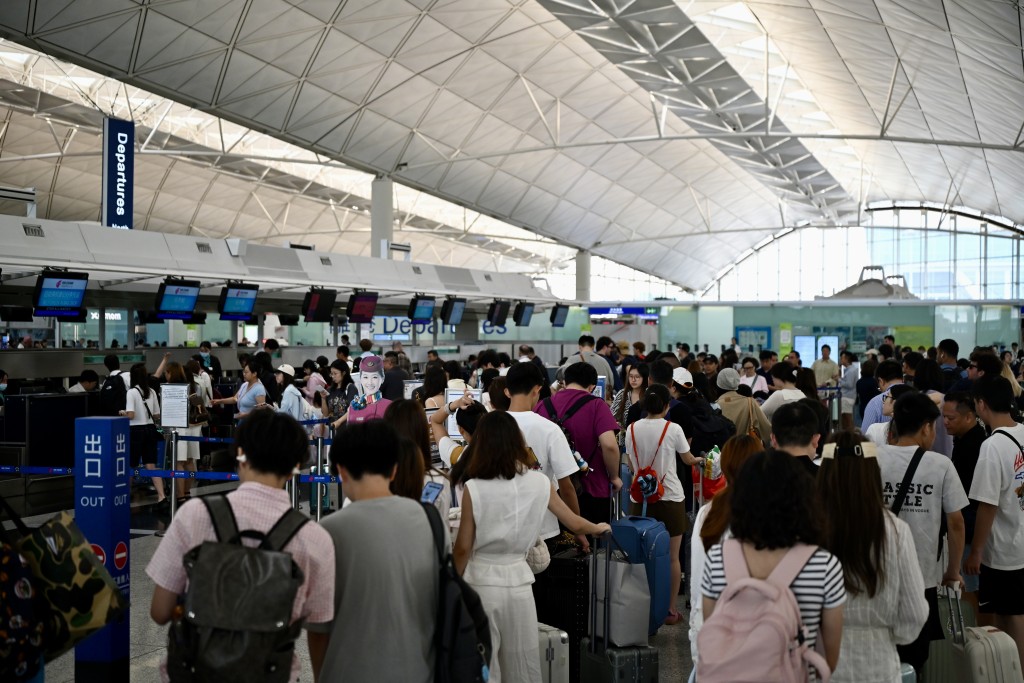
About 350 flights canceled as airport works to resume afternoon operations
26-07-2026 12:47 HKT


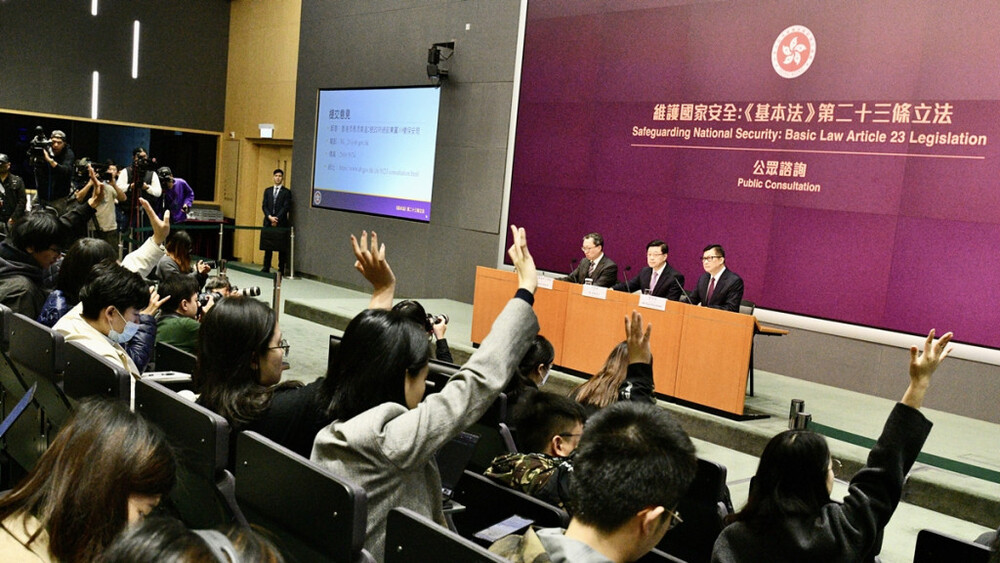
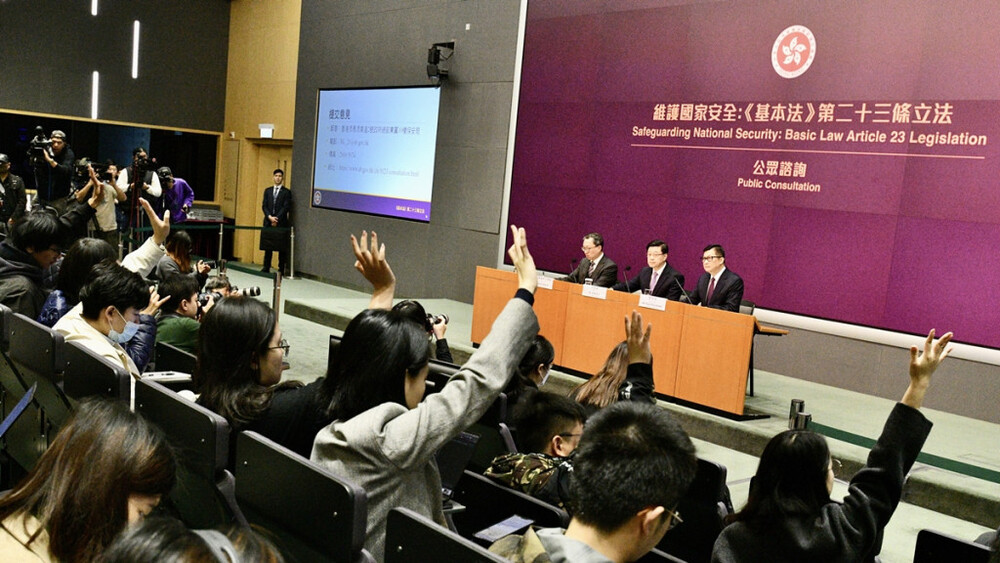
The consultation paper on the Basic Law Article 23 legislation, published on Tuesday, proposed enacting a new ordinance to address the national security risks and cover five crimes, including insurrection and external interference.
The recommended "Safeguarding National Security Ordinance" concerning offenses put forward covers five major types of acts and activities endangering national security. That included treason and related acts; insurrection, incitement to mutiny and disaffection, and acts with seditious intention; theft of state secrets and espionage; sabotage endangering national security and related activities; and external interference and organizations engaging in activities endangering national security.
Moreover, some new offenses are proposed to effectively prevent, suppress and impose punishment for various acts and activities endangering national security.
It also suggested to provide proportionate extra-territorial effect for some of the listed offenses.
The government suggested it may use the new law to cancel the passports of fugitives overseas, citing a similar U.S. law. It could affect the many activists who went into exile fearing arrest.
The document has also cited similar laws in Britain, the United States, Australia, Canada, New Zealand and Singapore.
In addition, the government invites the public to provide views on other matters relating to the shortcomings and inadequacies revealed by the experience in handling cases concerning national security and also how to improve the legal system and enforcement mechanisms for safeguarding national security.
Under the Basic Law, Hong Kong is required to enact a law combating seven security-related crimes, including treason and espionage.
The first legislative attempt in 2003 was shelved after half a million Hongkongers took to the streets to protest the move.
Critics of the existing national security law have said it has affected the city's status as an international hub since its enactment in 2020, and some said there are chilling effects as foreign companies reconsider the city as its Asia base.
However, the government downplayed the impact, with Chief Executive John Lee-Ka-Chiu saying he is very confident the earlier the city finishes enacting Article 23, the more the SAR could focus its efforts on creating a vibrant economy for a caring community and striving for development.
He also stressed that the law "will have no element at all about sending any arrested persons in Hong Kong to the mainland."
"It is a piece of legislation to deal with the activities in Hong Kong, in Hong Kong trials, and according to Hong Kong laws," Lee added.