Read More
Wearable robotics for the elderly and systems helping companies cope with the pandemic are among new projects to be funded by the Research Grants Council this year.
ADVERTISEMENT
SCROLL TO CONTINUE WITH CONTENT
A total of HK$263 million will be awarded to seven chosen projects, of which HK$230 million will be contributed by council and the rest by their supporting universities.
This year's projects are the 10th round under the theme-based research funding scheme, in which the council has spent HK$2.05 billion on 52 projects since 2009.
The seven selected projects will receive between HK$24.4 million and HK$50 million each.
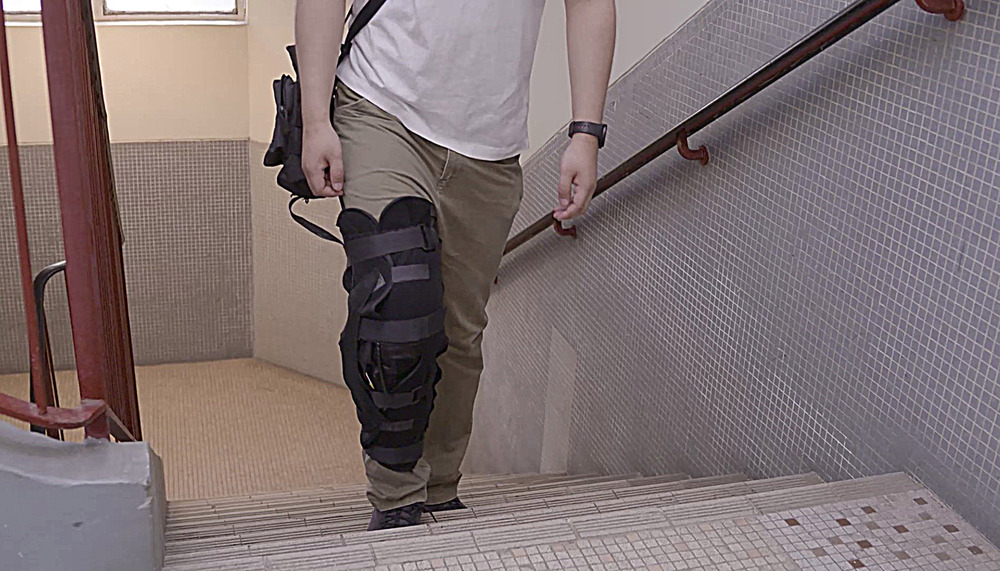
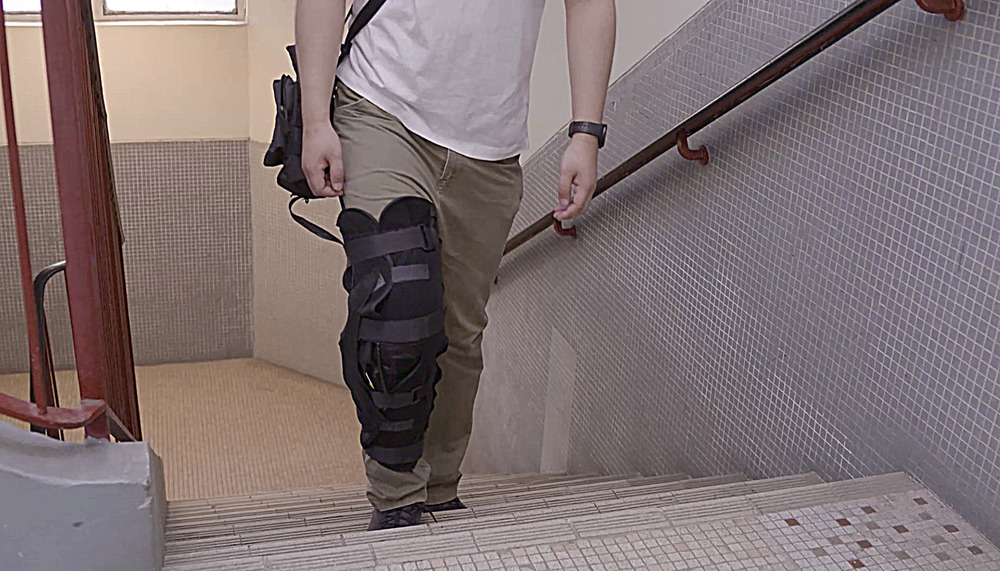
Of these, a joint team from the University of Hong Kong and City University is to receive HK$43.3 million for a study on wearable robotics to assist senior citizens to move about safely and conveniently. The researchers have developed a prototype that the elderly can wear on the knee, while items that can support the waist, hand and foot are in the works as well.
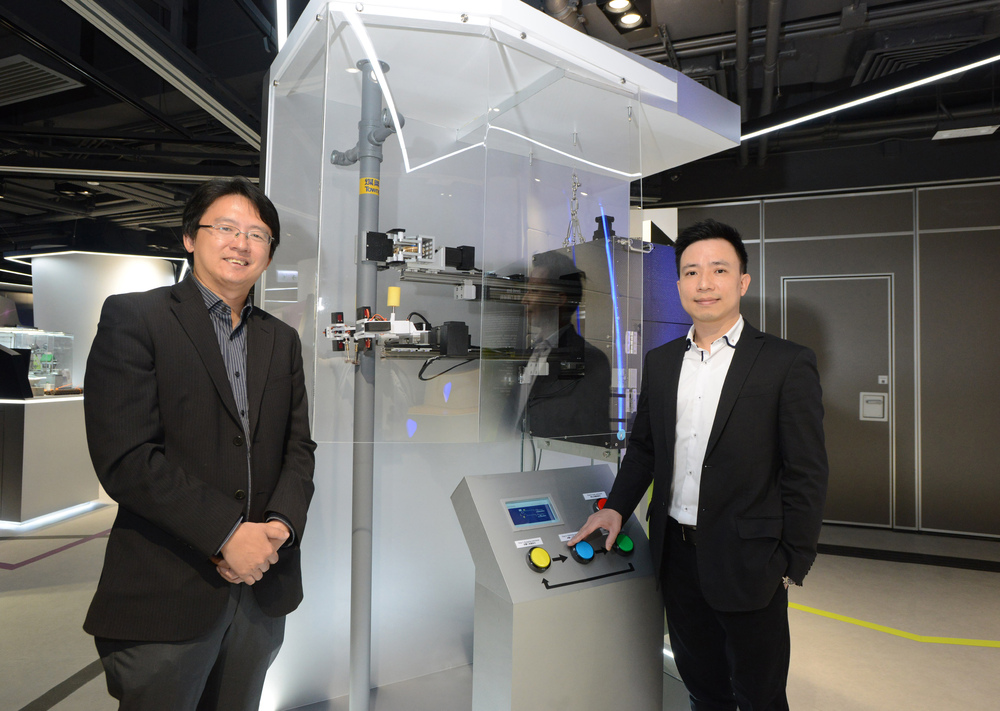
"Using our robots will be as convenient as donning clothes," said team member King Lai Wai-chiu, an associate professor of biomedical engineering at CityU.
"We will invite seniors to engage in the entire process of our research, as we aim to tailor-make the robots for them and allow them to live independently."
Lai said he expects the products to enter the market in four to five years.
The robots will be equipped with intelligent nanosensors and distributed actuators under the efforts of experts in engineering, medicine and gerontology.
Another project focuses on utilizing financial technology to assist small and medium-sized enterprises struggling amid the downturn brought by the pandemic.
Researchers from HKU as well as from Chinese, Polytechnic and Lingnan universities are building a new risk-assessment mechanism for banks and investors to determine whether to finance these firms.
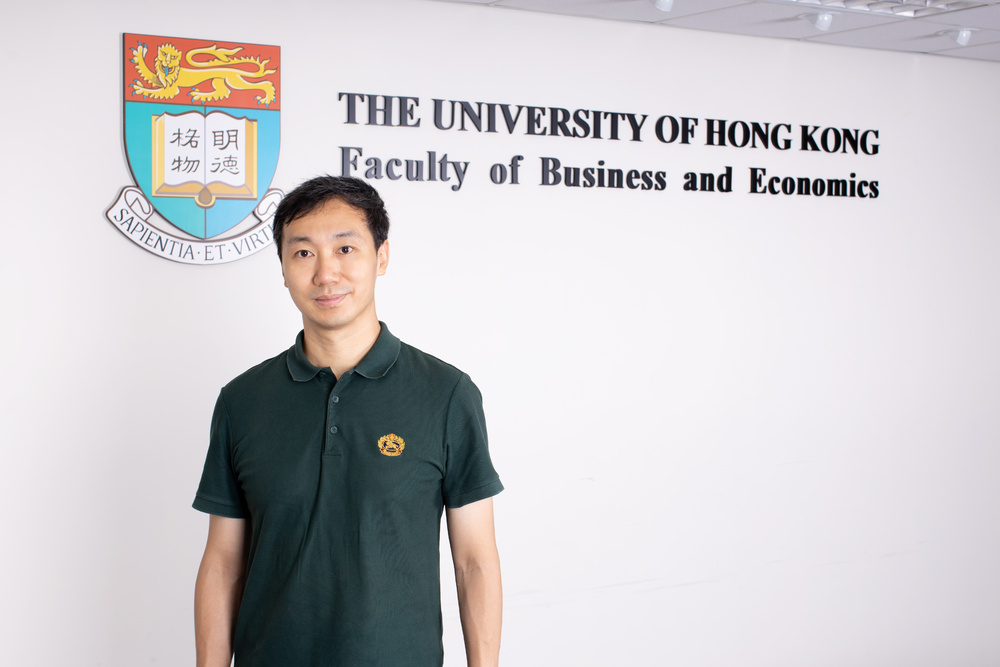
"The pandemic has caused huge damage to small enterprises, and their key to survival is financing," said Chen Lin, an HKU professor who led the project.
But the challenge is that these companies often lack "hard information," such as financial statements, collateral and credit history that traditional banks require for risk assessment, according to Chen.
Taking this into consideration, the team will design a new analysis tool based on the firm's digital footprints, social networks and behavioral traits, such as its risk attitude. The team will be granted HK$24.4 million by the council.