Read More
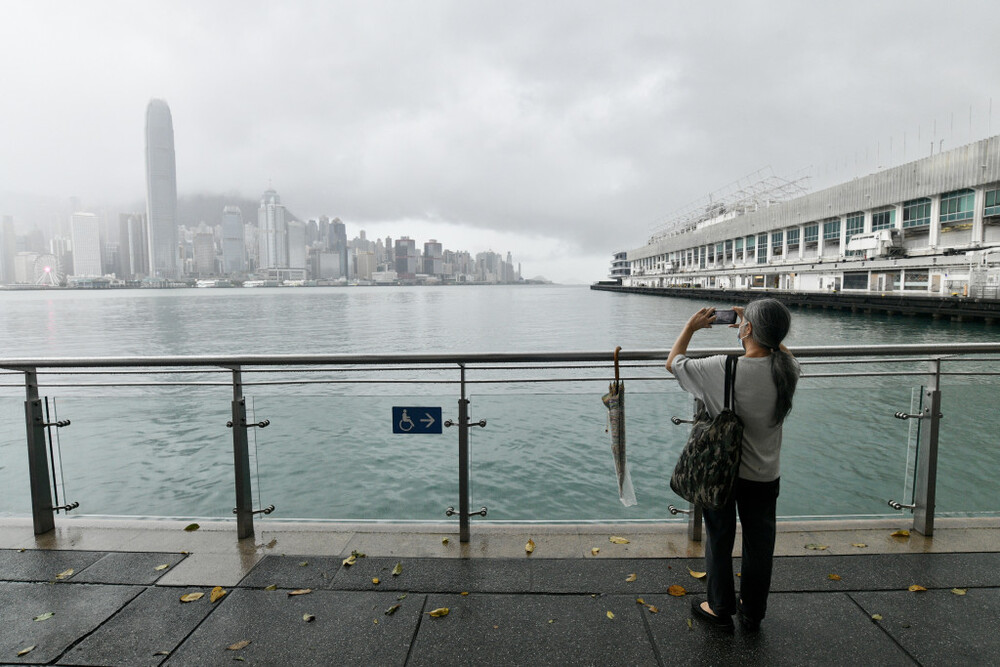
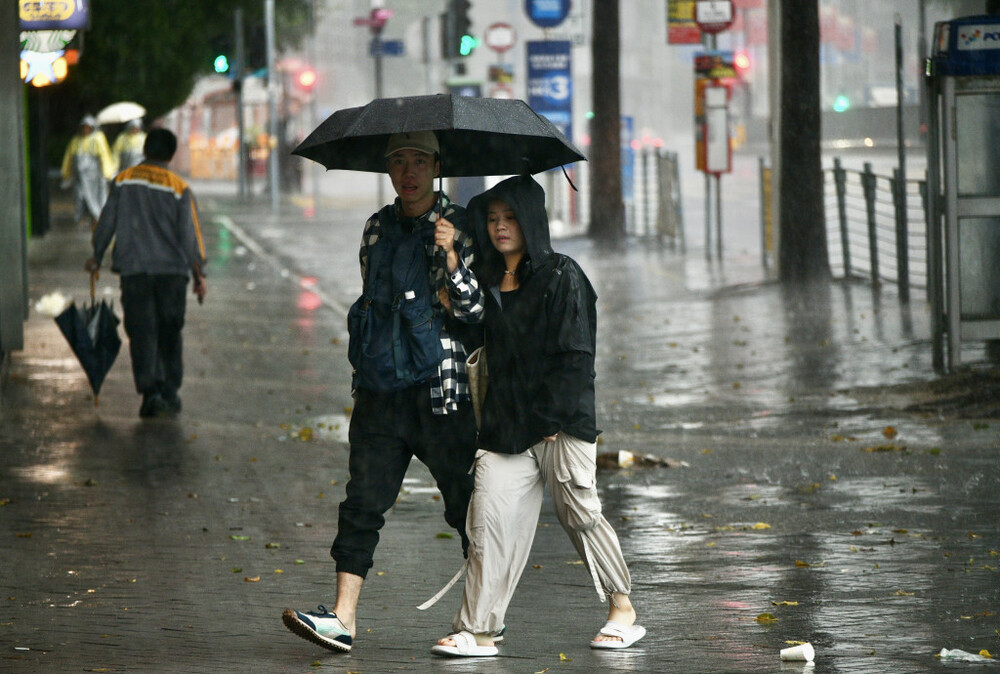
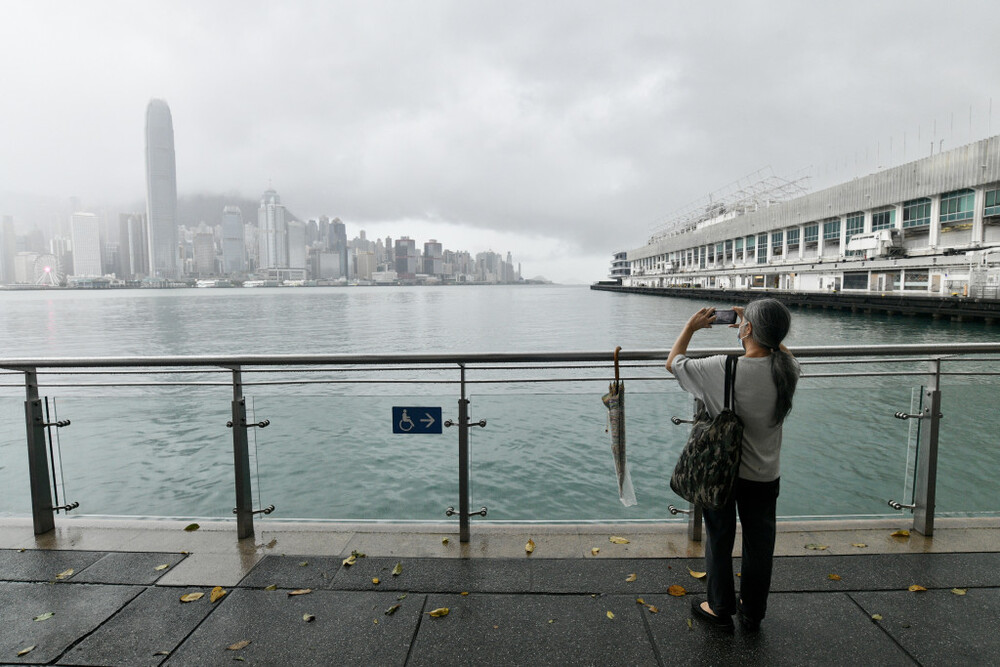
Hong Kong stayed largely closed Monday morning from heavy rain brought by tropical cyclone Koinu, yet the city was gearing up to resume business in the afternoon after the T8 signal was downgraded to T3 at 11.40 am.
ADVERTISEMENT
SCROLL TO CONTINUE WITH CONTENT
The Hong Kong Observatory said the No. 8 storm warning — the third-highest — would remain in place until 11.40 am. That alert replaced the more serious No. 9 signal, which lasted for almost five hours on Sunday night. The weather agency lowered its rainstorm warning to red — the second-highest level — from black at 10.30 am.
Trading on the city’s stock market will resume at 2 p.m. when the No. 8 signal is lowered between 11.30 am and midday, according to the exchange operator’s rules. The disruption comes as mainland China’s stock markets reopened for the first time this month after the Golden Week holidays and traders reacted to the Hamas attack on southern Israel.
Koinu was centered about 140 km west-southwest of the city at 10 am and was forecast to move west at about 10 km per hour across the coast of Guangdong province. It was the second typhoon to hit Hong Kong since the start of September, while the remnants of a third a month ago brought record-breaking rain that flooded parts of the finance hub and triggered landslides.
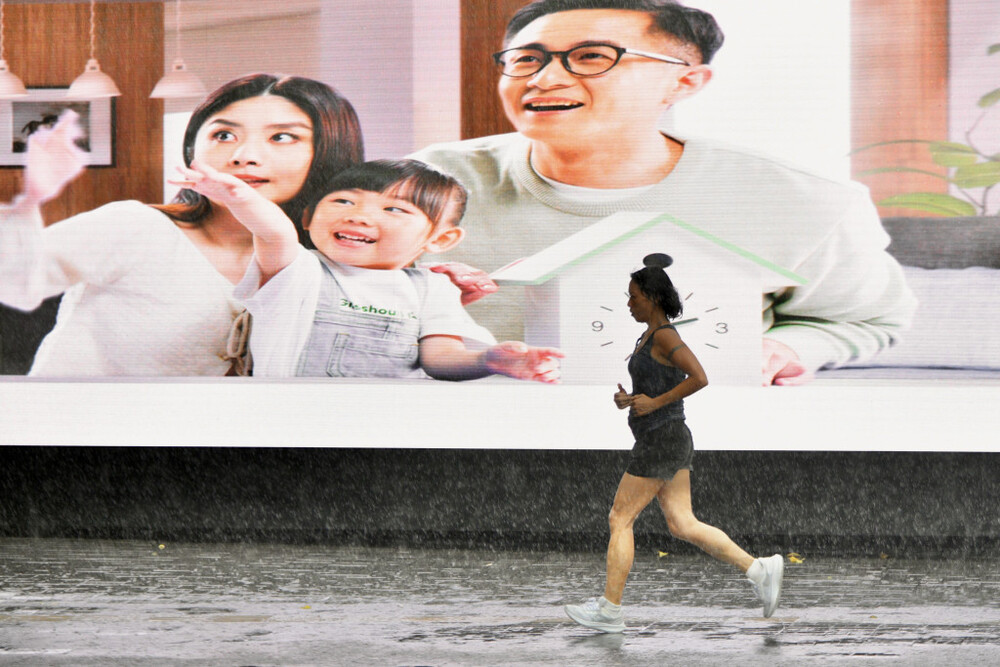
The latest typhoon dumped more than 300 mm of rain over parts of Hong Kong Island, Lantau Island and Kwun Tong since midnight, according to the Observatory. The city’s average for the whole of October is 120 mm.
Authorities said they had received 44 reports of fallen trees and two landslide as at 10 am, along with seven flooding reports.
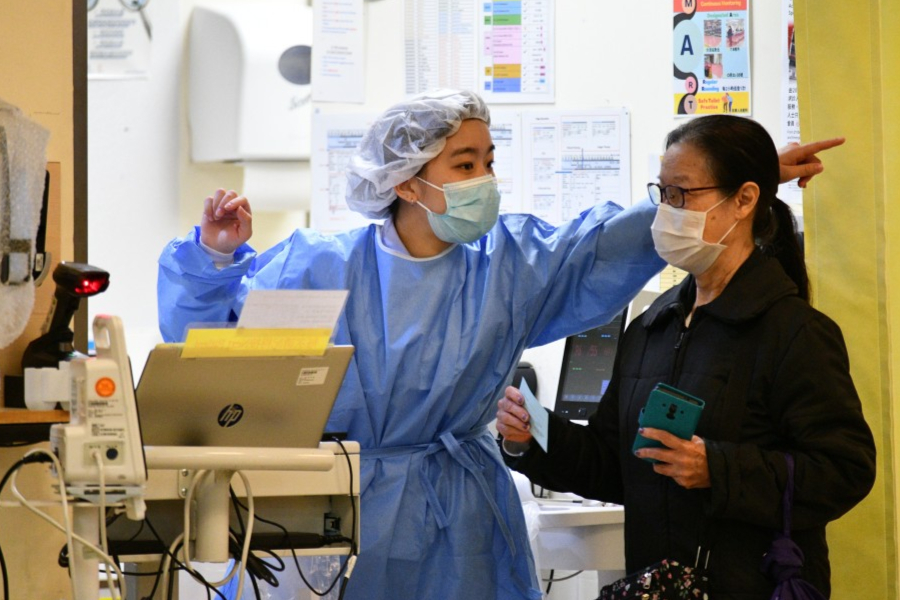
A total of 29 people, 16 men and 13 women, sought medical treatment at public hospitals during the typhoon period.
Meanwhile, hundreds of passengers at the city’s airport were stranded on Sunday night after the raising of the No. 9 signal caused rail operator MTR Corporation to halt train services between the airport and the city. The service later resumed in limited fashion. Under the No. 8 warning, most public transport is suspended and workers typically stay home. The black rainstorm warning has a similar impact.
The MTR said it will gradually ramp up its services when the Storm Signal No. 8 is replaced by the Standby Signal No. 3, while the Kowloon City Motor Bus, Long Win Bus and Citybus said most of their routes will gradually resume operation around noon.
Some 90 flights were canceled on Sunday and another nine on Monday as of 9 am, according to the Hong Kong International Airport. It said it expects to handle 760 flights on Monday.
While an average of six typhoons come within 500 km of Hong Kong every year, it’s rare for a tropical cyclone to directly threaten the city, let alone two. The last time Hong Kong issued the No. 9 signal for two different typhoons in the same year was in 1999, when the city was hit by Maggie and York. Before that, it was 1964, when Ruby and Dot slammed the city.
Koinu, which means puppy in Japanese, repeatedly defied forecaster predictions after earlier brushing past the southern tip of Taiwan. Despite projections by regional observatories that the storm would weaken, Koinu rebuilt its eyewall and regained strength as it headed to Hong Kong. It’s currently forecast to move toward China’s Hainan as a severe tropical storm.
(Staff reporter/Bloomberg)