Read More
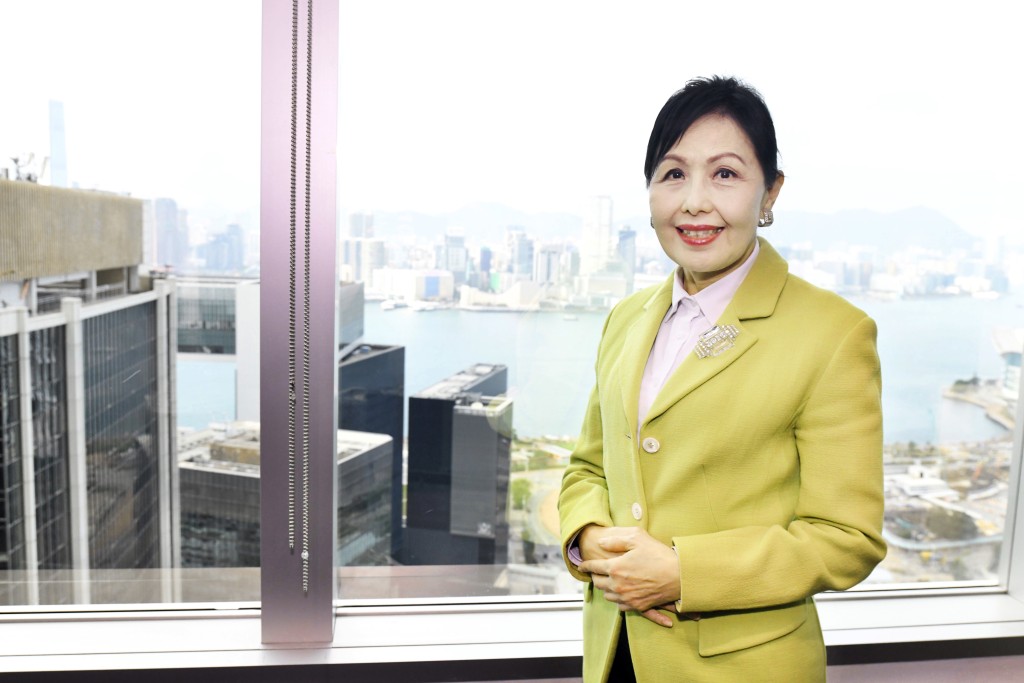
There is no room for authorities to ease the ban on aquatic products originating from 10 Japanese prefectures and metropolises at this stage, environment minister Tse Chin-wan said, adding that Hong Kong is under no condition to make any adjustments if Japan doesn’t pull from its discharge plan.
ADVERTISEMENT
SCROLL TO CONTINUE WITH CONTENT
Tse’s remark came on Wednesday, a day before Japan releases the second batch of treated radioactive water from the wrecked Fukushima Daiichi nuclear power plant into the ocean.
Tse stressed that discharging treated radioactive wastewater into the ocean was never seen before in history and will last for up to 30 years, making it difficult to assess the impact on the environment.
“It’s because they release the radioactive wastewater so that we have to take actions to secure food safety and protect citizens’ health,” Tse said.
“The ball is in Japan’s court. If they don’t change their plan, then I don’t see that we have any condition to ease the ban. How long the ban will stay depends on Japan.”
The environment chief again objected to Japan unilaterally releasing the wastewater saying there should be better ways to deal with the issue that minimizes the risks on food safety and assure people in nearby regions.
When asked if authorities would step up support towards the catering sector, Tse said the government has spoken to the industry and traders are well prepared.
Tse also noted that the clearance time for Japanese food will not be extended from the current three hours.
Having waited for 14 hours for clearance leading the seafood to turn bad, as reported by certain importers, was an individual incident, Tse said, adding that those importers didn’t submit all necessary documents.
Tse then reminded importers to use the free of charge 24-hour freezers at the border points, saying authorities will deploy more manpower for radiation testing.
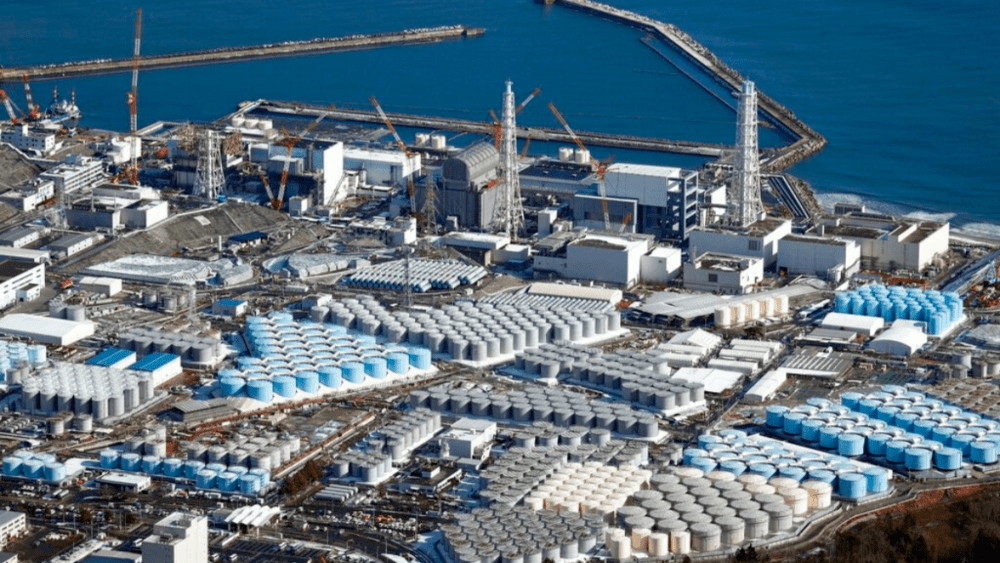
File photo.