Read More


Night Recap - April 3, 2026
10 hours ago




Iran demands transit fees in yuan, stablecoins for Strait of Hormuz passage
03-04-2026 02:45 HKT
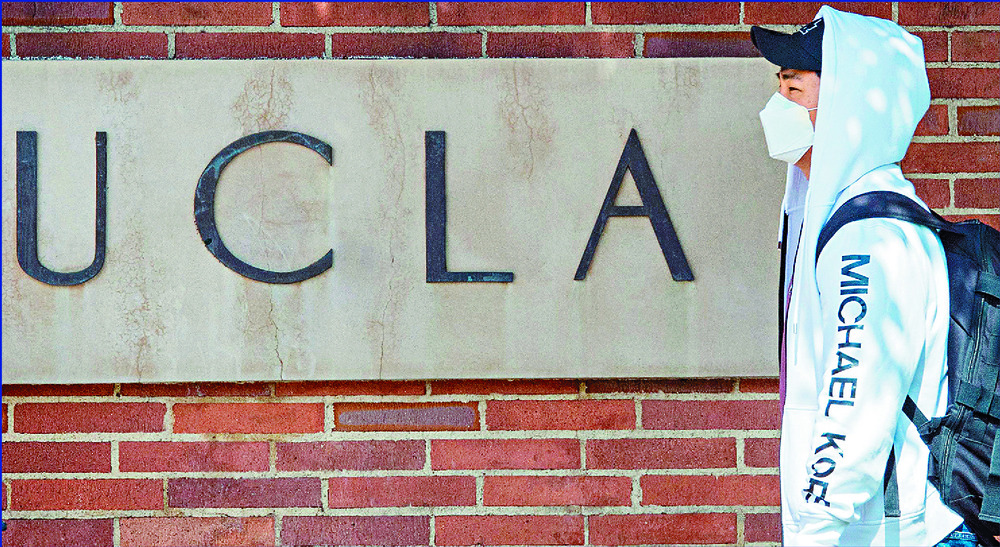
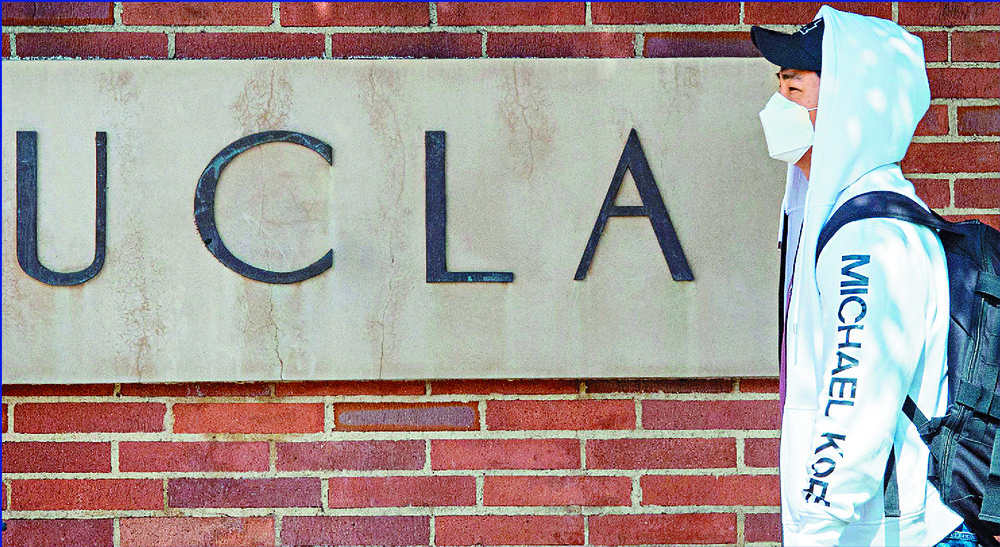
Foreign students in the United States, numbering hundreds of thousands, will have to leave the country if their classes are all taught online this autumn or if they transfer to another school with in-person instruction, a government agency says.
It is not clear how many student-visa holders would be affected, but foreign students are a key source of revenue for many US universities as they often pay full tuition.
There were more than one million international students in the United States for the 2018-19 academic year, said the Institute of International Education.
That accounted for 5.5 percent of the total US higher education population and international students contributed US$44.7 billion (HK$348.66 billion) to the US economy in 2018.
The largest number of international students came from China - nearly 370,000 - followed by India, South Korea, Saudi Arabia and Canada.
Foreign ministry spokesman Zhao Lijian said in Beijing that China is closely following the policy changes and would do everything to protect the rights and interests of mainland students.
The US Immigration and Customs Enforcement said it will not allow holders of student visas to remain in the country if their school is fully online for the autumn. Those students must transfer or leave the country, or they potentially face deportation, the announcement said.
The ICE guidance applies to holders of F-1 and M-1 visas, which are for academic and vocational students. The State Department issued 388,839 F visas and 9,518 M visas in the 2019 financial year.
Colleges and universities have begun to announce plans for the autumn 2020 semester amid the coronavirus pandemic.
A number of schools are looking at a hybrid model of in-person and online instruction but some, including Harvard University, have said all classes will be conducted online.
Harvard said 40 percent of undergraduates will be allowed to return to campus - but their instruction will be conducted remotely.
The guidance does not affect students taking classes in person. It also does not affect F-1 students taking a part-online course load, as long as their university certifies the student's instruction is not completely digital.
M-1 vocational program students and F-1 English language training program students will not be allowed to take any classes online.
Critics quickly hit back at the decision. "The cruelty of this White House knows no bounds," tweeted senator Bernie Sanders. "Foreign students are being threatened with a choice: risk your life going to class-in person or get deported."
Aaron Reichlin-Melnick, who works as the policy counsel at think tank American Immigration Council, said the new rule is almost certainly going to be challenged in court. He said foreign students will likely struggle to continue their studies while abroad, due to time differences or a lack of access to technology or academic resources.
President Donald Trump's administration has imposed new restrictions on legal and illegal immigration in recent months as a result of the pandemic.
In June, it suspended work visas for a wide swath of non-immigrant workers that it argued compete with US citizens for jobs.
REUTERS, AGENCE FRANCE-PRESSE