Read More


Morning Recap - August 28, 2026
8 hours ago


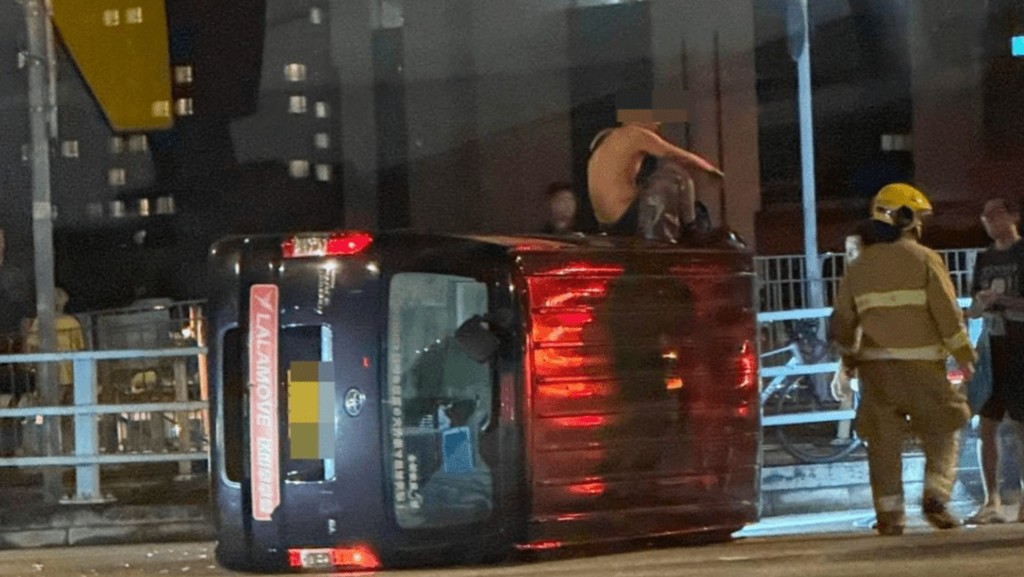
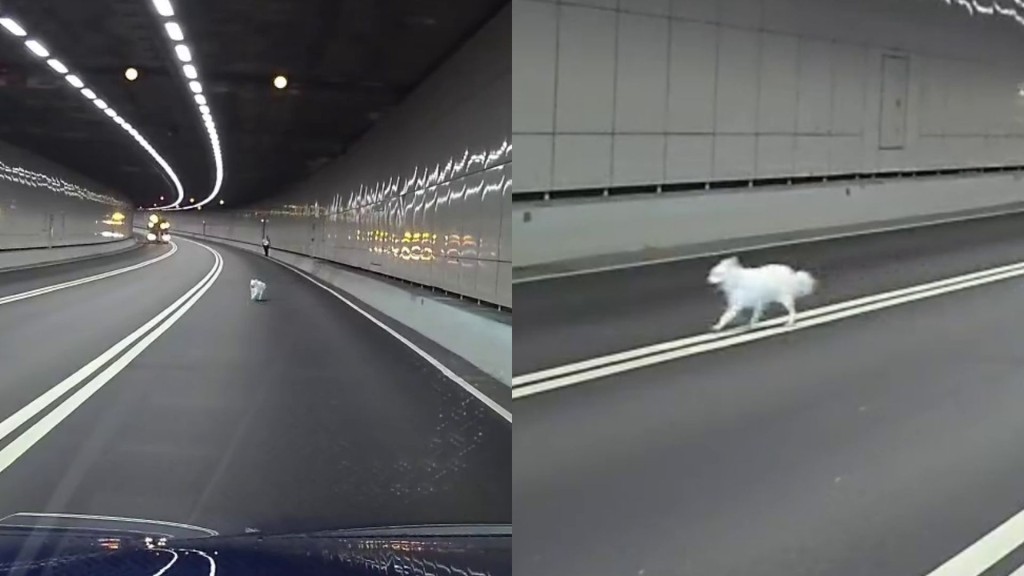
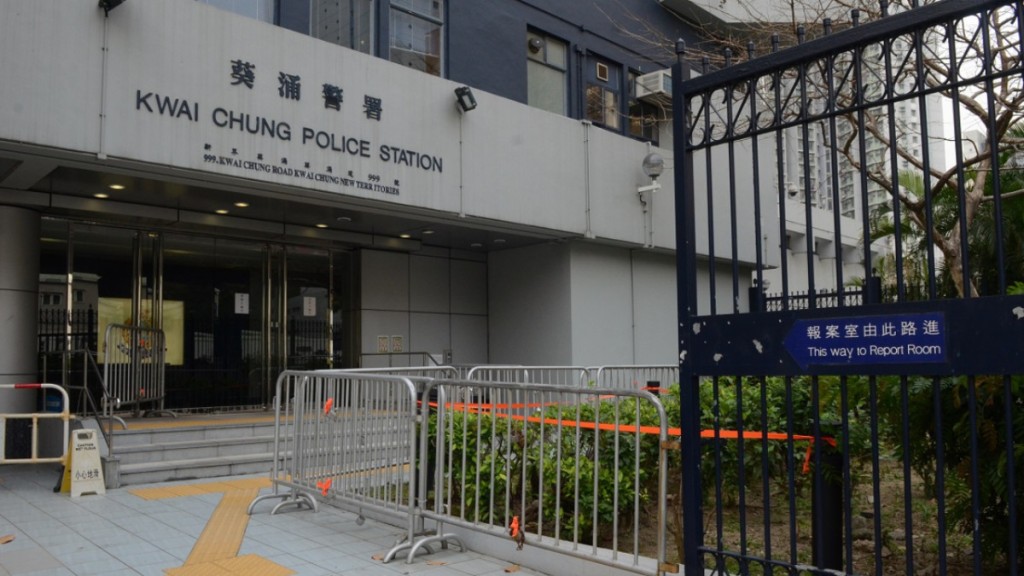
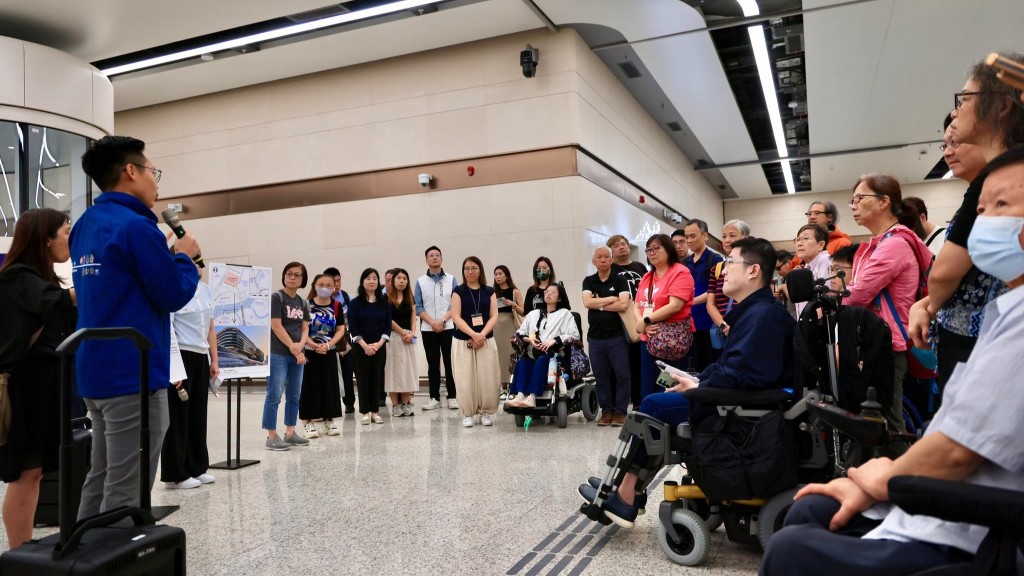

(Video) Girl slapped at Kwun Tong’s apm mall, two women arrested
26-08-2026 19:39 HKT

Kwun Tong mall playground squabbles land three women in custody
27-08-2026 13:59 HKT


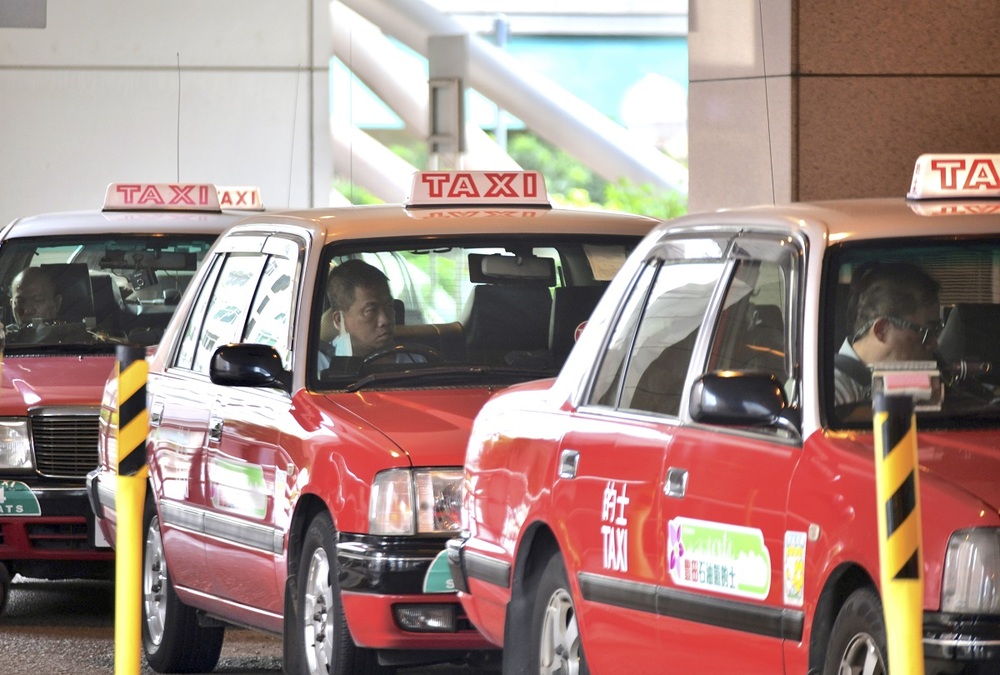
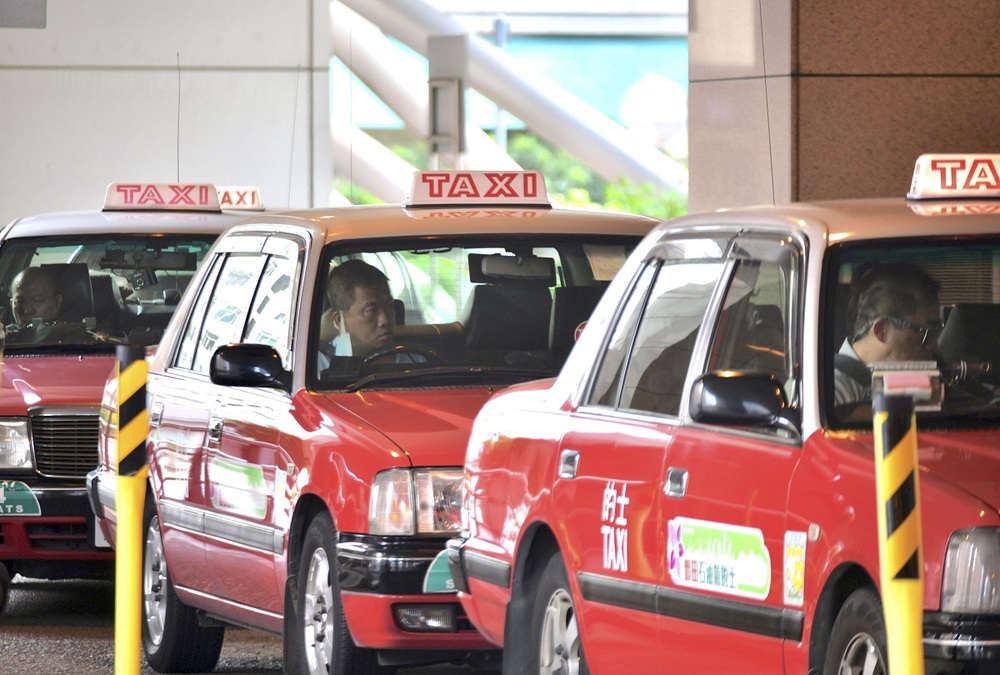
The Hong Kong government is proposing to introduce taxi fleets in Hong Kong, as well as six-seater taxis for the industry to provide quality taxi services in the city.
According to documents submitted to the Legco by the Transport and Logistics Bureau, authorities said the existing operation mode of taxis has posed certain limitations to ensuring the overall quality of taxi services in a sustained fashion.
Under the proposed licensing regime for the operation of taxi fleets, existing taxi owners may assemble taxis to form a fleet and apply to the Transport Department for a Taxi Fleet Licence.
The newly established fleet will be able to, subject to the authorities' approval, design the livery and marking of its fleet taxis. The fleet will also be allowed to charge customized fares for pre-arranged trips.
However, for street-hailing trips, the government proposed that fleet taxis should charge according to the same fare schedule as general taxis.
Meanwhile, the government said the introduction of six-seater taxis will improve the image of the taxi industry and expand customer sources.
The document also noted that a two-tier penalty system for certain taxi-driver related offences will be introduced, while there will also be updates to certain offence provisions.
The proposed two-tier penalty system covers four taxi-driver-related offences which are of a more serious nature, they include overcharging, wilfully refusing or neglecting to accept a hire, refusing or neglecting to drive a taxi to the place indicated by a hirer, and defacing, damaging or altering a taximeter.
For these four offences, the government proposed to maintain the maximum fine and terms of imprisonment at the present level - a fine of HK$10,000 and six-month imprisonment in the case of first conviction.
While the penalty for subsequent convictions will be increased to a maximum fine of HK$25,000 and 12-month imprisonment.
“The proposed two-tier penalty system seeks to impose heavier maximum penalties on repeat offenders so as to strengthen the deterrent effect,” it wrote.