Read More


Night Recap - October 20, 2026
1 hour ago






Dior deploys private guards outside Paris flagship amid riots
19-10-2026 19:17 HKT

Macron and wife dance at Celine Dion concert amid French riots
19-10-2026 13:26 HKT


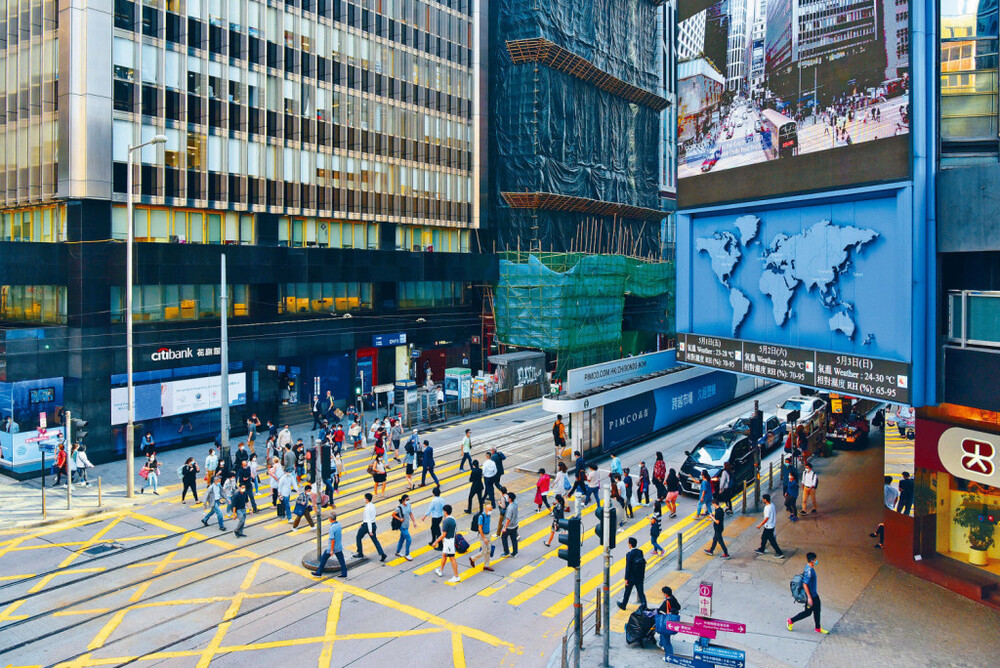
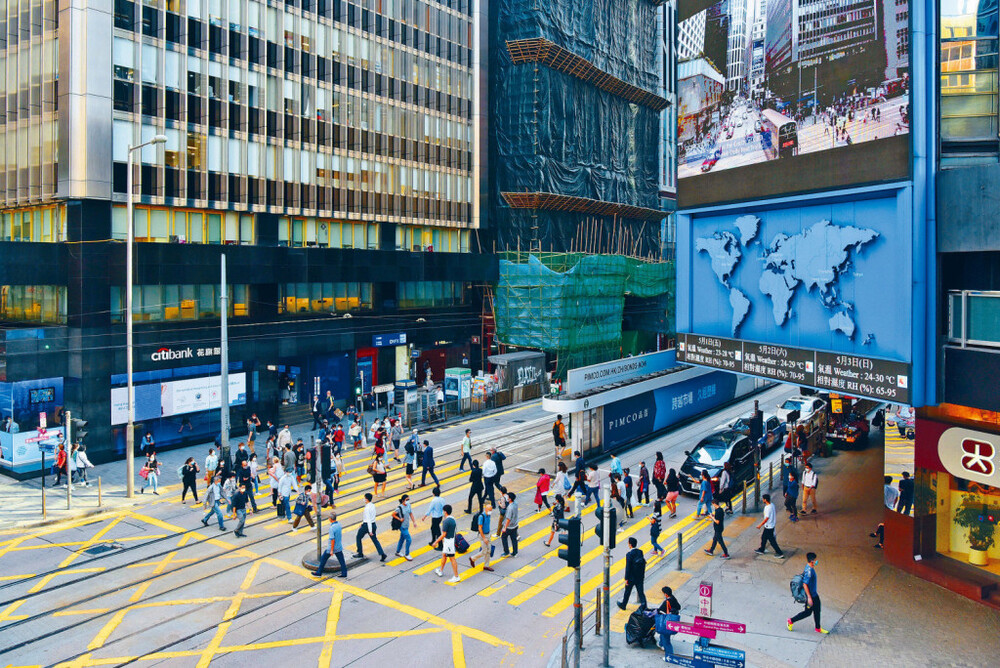
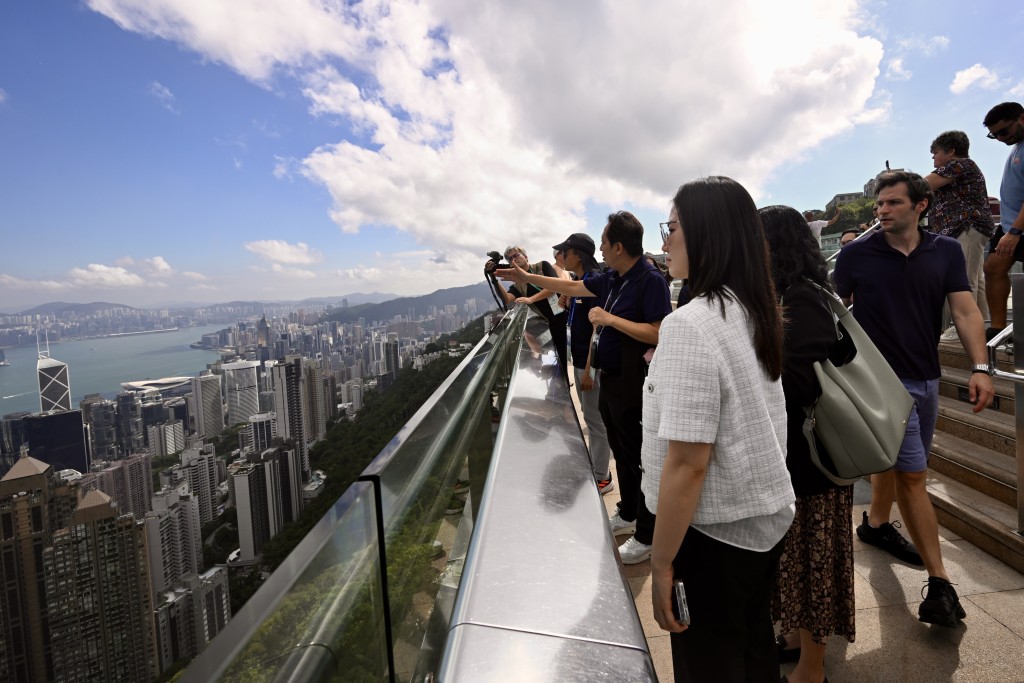
Hong Kong dropped from fifth to seventh place in the "World Competitiveness Yearbook 2023" released Tuesday by Switzerland-based business school the International Institute for Management Development.
According to the yearly global competitiveness report, Denmark, for the second consecutive year, top the chart with 64 countries included, followed by Ireland and Switzerland.
Among Asia regions, Singapore ranked fourth while Taiwan sits in sixth place, one spot ahead of Hong Kong.
Among the four competitiveness factors listed out in the yearbook, Hong Kong continued to rank second globally in "Government efficiency", and its ranking in "Infrastructure" also improved.
Yet, due to the epidemic upsurge last year, Hong Kong’s ranking in "Business efficiency" fell slightly. The ranking in "Economic performance" dropped as the Hong Kong economy weakened notably and recorded negative growth in 2022.
Commenting on the report, a government spokesperson said the yearbook recognized that Hong Kong continued to be one of the most competitive economies in the world.
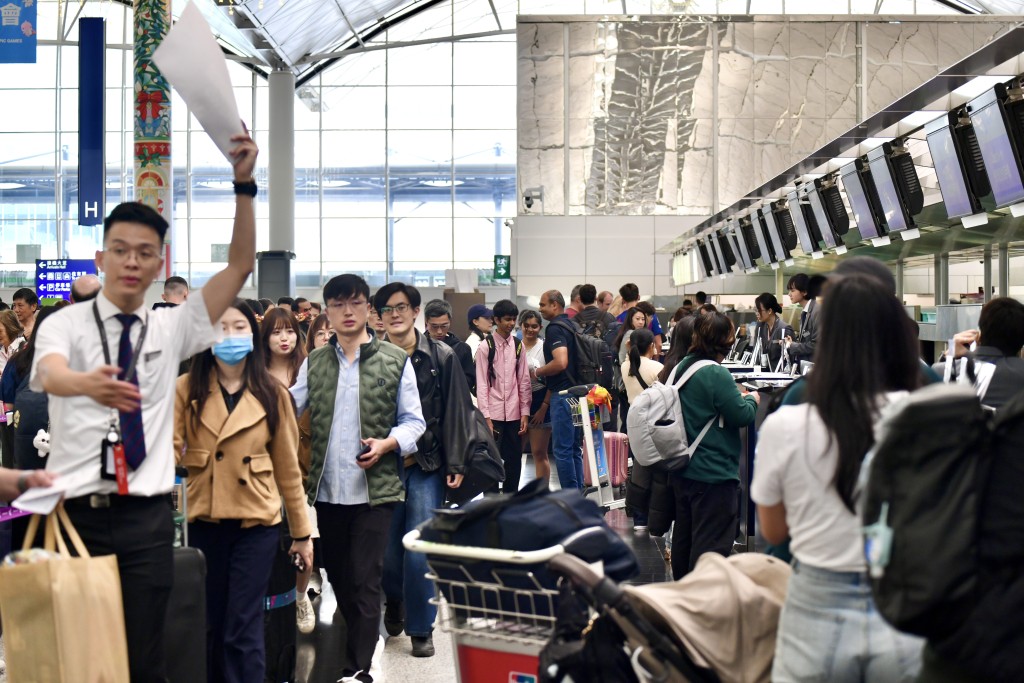
The spokesman noted that the Covid-19 epidemic last year posed daunting challenges to Hong Kong and weighed heavily on its economic performance.
“As a result, Hong Kong's overall competitiveness ranking fell by two places from the preceding year. As Hong Kong resumes normalcy and restores full connectivity to the Mainland and the rest of the world, Hong Kong's economy will improve notably this year,” he added.
The spokesman also said Hong Kong should stay vigilant of the increasingly intense competition among economies and respond proactively, striving to further enhance Hong Kong's competitiveness.
“Since taking office, the new-term of HKSAR Government…have implemented strategies to 'compete for talents and enterprises' with a view to attracting strategic enterprises as well as talents and capital from around the world, stepped up investment in infrastructure as well as innovation and technology, and continued to increase land and housing supply, in order to expand capacity for the sustained growth of Hong Kong's economy and pursuit of high-quality development.
“Work in these areas has made good progress.” Said the spokesman.