Read More
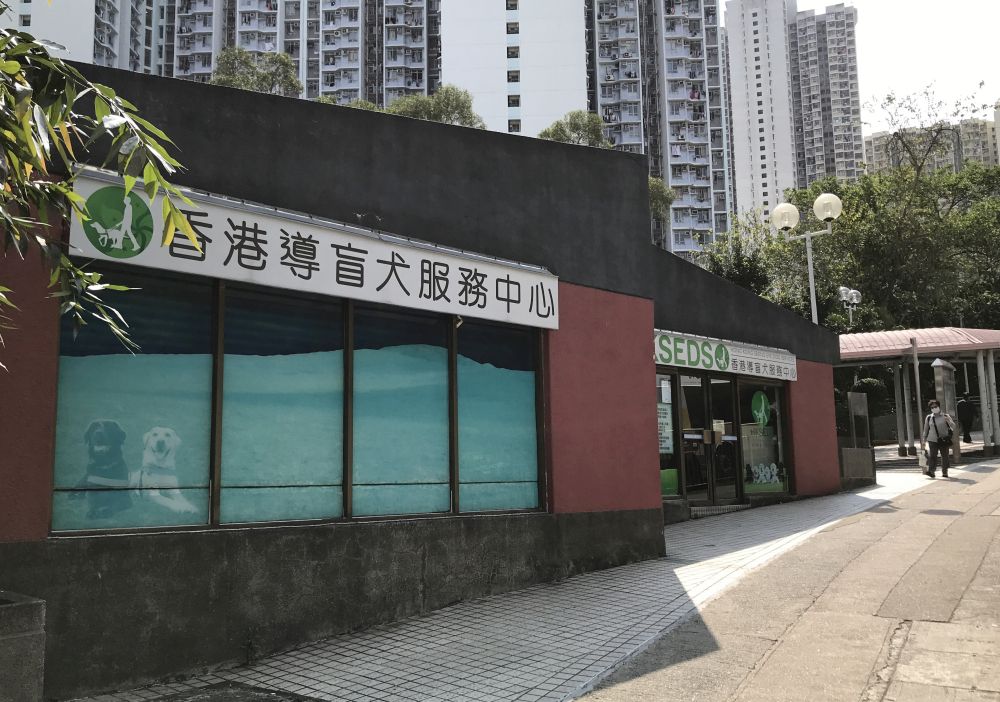
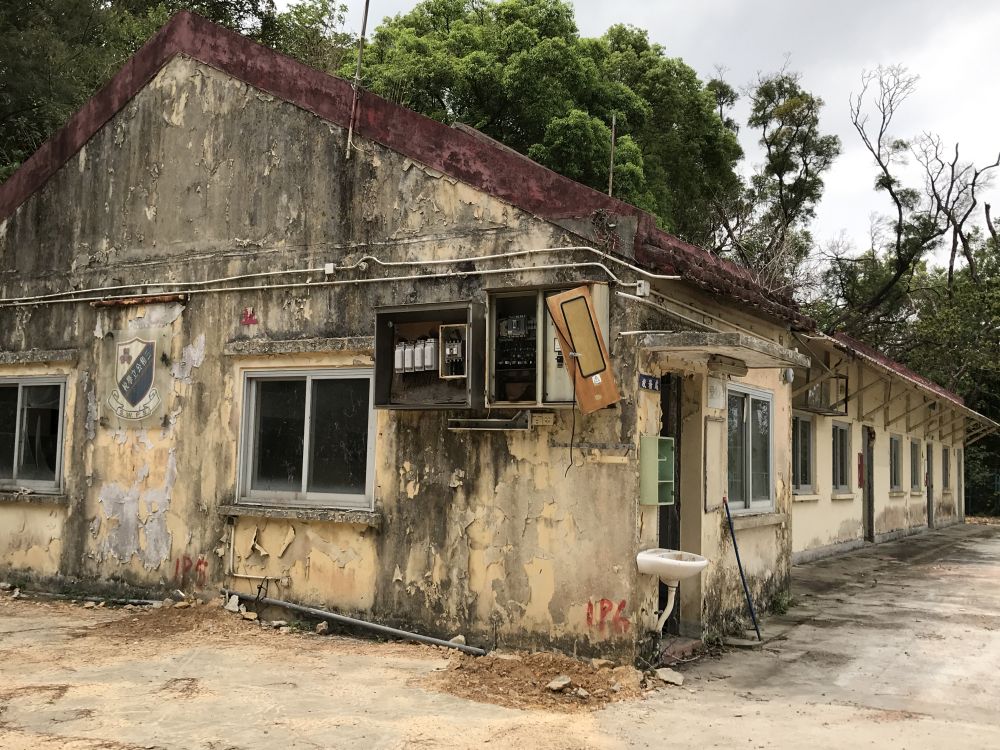
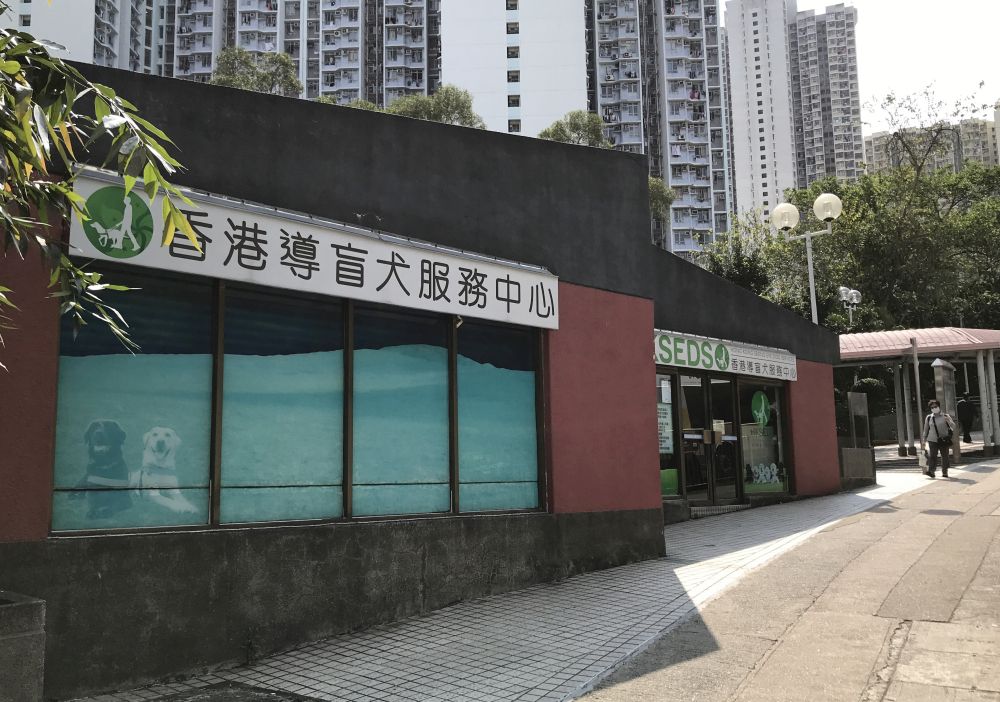
A recipient for part of a HK$1 billion government fund to make better use of vacant government lands is turning a former primary school into a large-scale guide dog training school in North District.
ADVERTISEMENT
SCROLL TO CONTINUE WITH CONTENT
Hong Kong Seeing Eye Dogs Services leased the site of the old Sam Wo public school in Ta Ku Ling from authorities to establish the new guide dog training school, development secretary Michael Wong Wai-lun wrote in his blog yesterday.
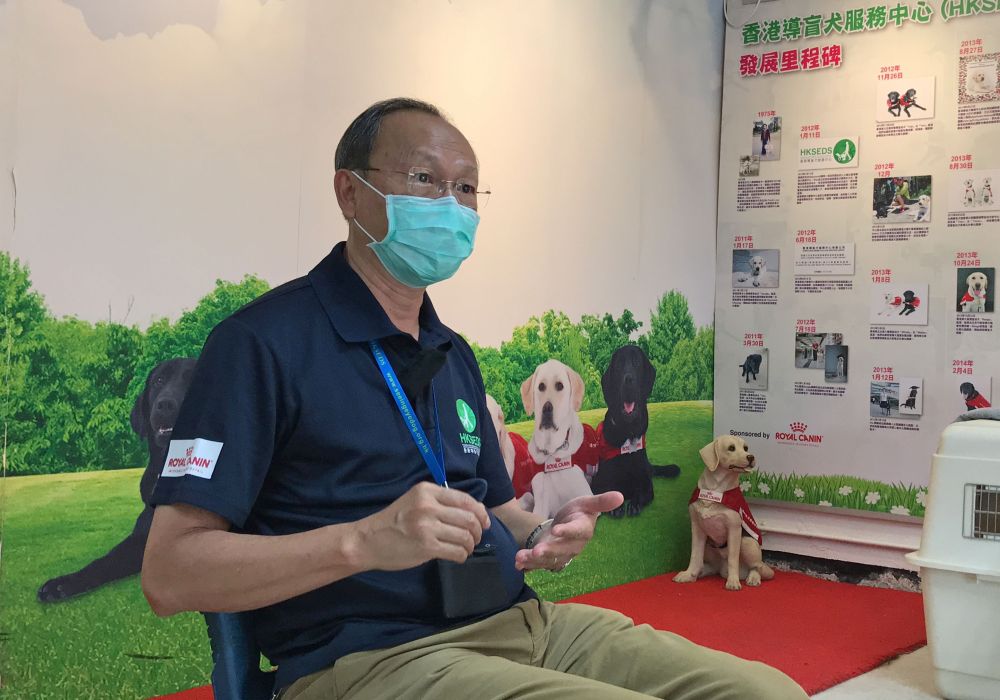
Raymond Cheung Wai-man, chairman of Hong Kong Seeing Eye Dogs Services, said his organization is thrilled to receive the funding, which was launched last February to encourage NGOs to make use of vacant government lands.
"This [the funding] is very encouraging," he said, "The site investigation of the new venue has been completed, and the construction is expected to kickstart within this year and to be completed in summer next year."
The new school will be equipped with features including indoor and outdoor training grounds, a veterinary clinic, swimming pools, and an educational resource center.
Cheung said that the size of the organization's existing venue in Kwai Chung is around 102 square meters only, while the new training school consists of around 2,276 square meters.
"Upon completion of the new venue, not only will the number of guide dogs to be trained increase, the quality of their training can also be enhanced - this will benefit more blind people," he said.
Trainer Pang Hoi-ting said the new venue will be able to provide more space to get guide dogs up to speed and provide medical services catered to the animals.
"I believe the HK$1 billion funding can help capitalize on community wisdom, facilitating NGOs to launch worthy projects with tripartite collaboration among the government, NGO-applicants and professional bodies," Wong said.
NGOs applying for the HK$1 billion funding can receive a subsidy of up to HK$60 million for their construction works.
The construction works can include slope in grading, site formation, erection of temporary structures, provision of sewerage, pedestrian access, renovation of dilapidated premises, installation of fire safety equipment, barrier-free facilities and more.
German Cheung Man-yan, assistant secretary of planning in the development bureau, said it has received 12 applications for funding between last February and March this year, and around HK$72 million has been given to eight approved applications.
"Since applicants may not be familiar with the necessities and management of the project they have applied for, the bureau and other government departments will provide technical assistance to them as well," she said.