Read More




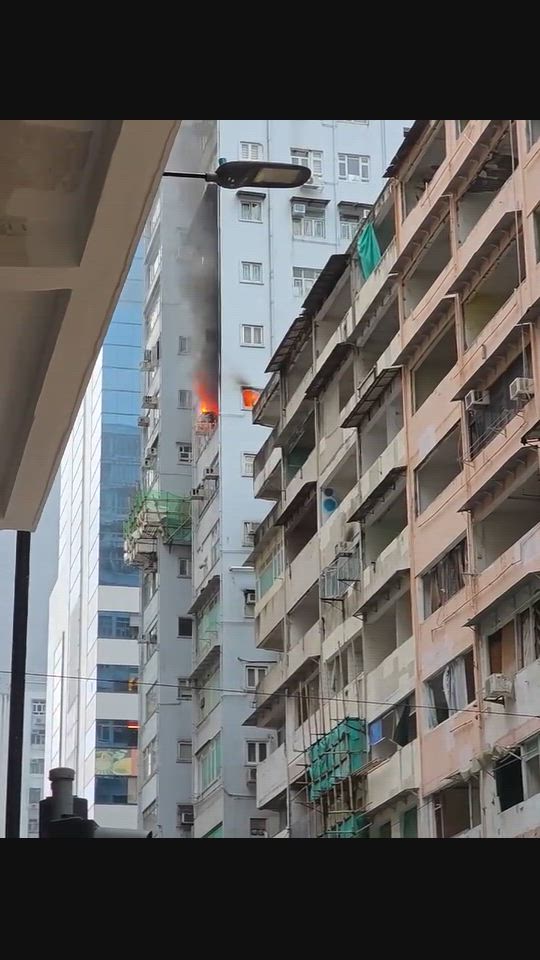
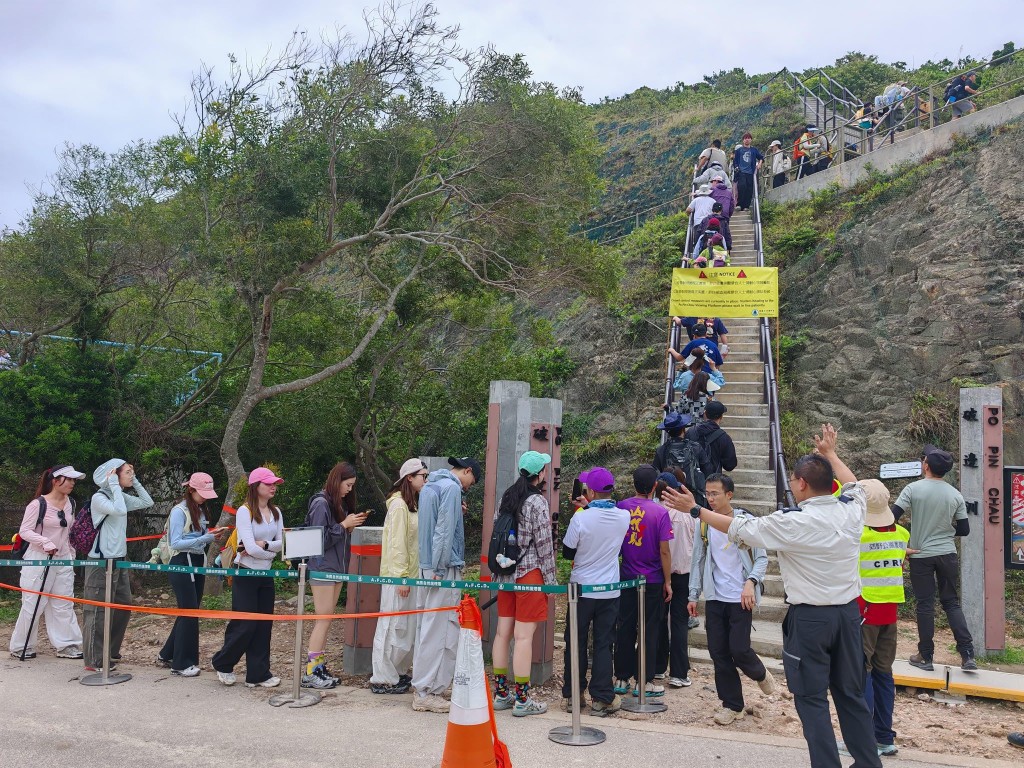

Morning Recap - August 25, 2026
9 hours ago
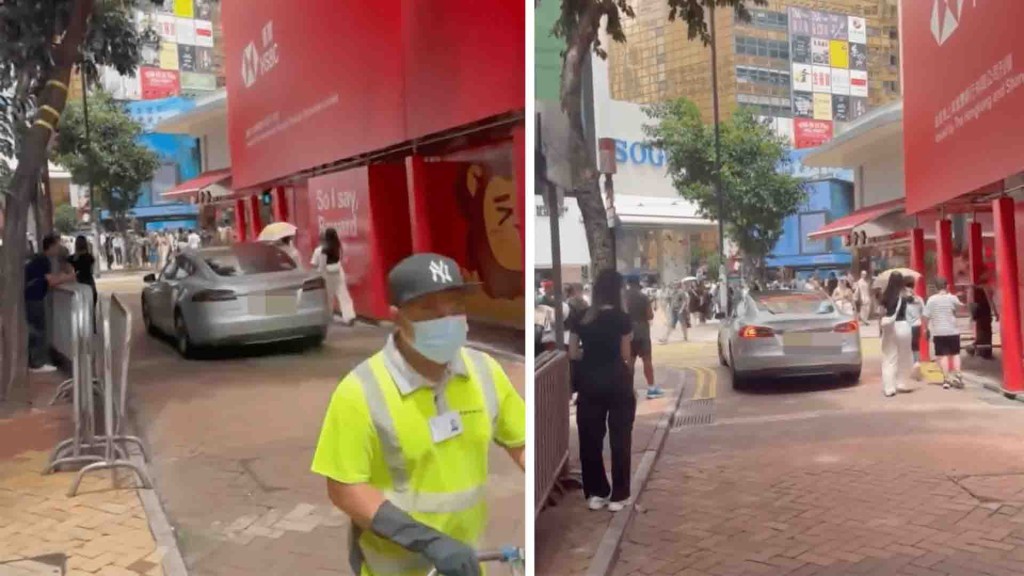

Taxi stuck sideways in narrow Central alley
24-08-2026 15:55 HKT

IT manager sentenced to 22 months for stealing $1.2m in Deloitte laptops
21-08-2026 21:49 HKT


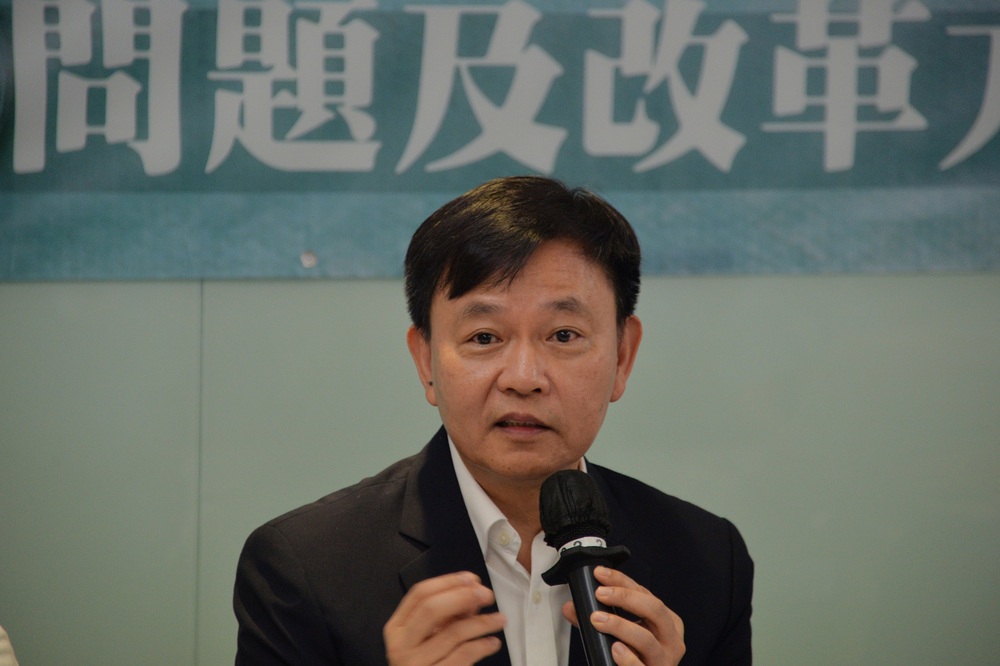
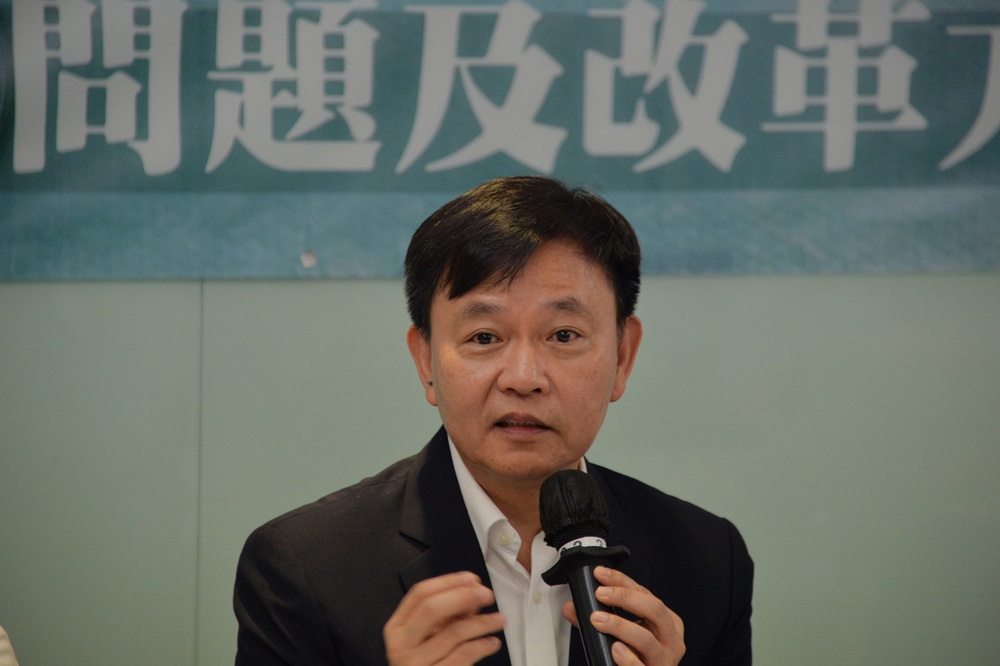
Hong Kong's Covid-19 infections will accumulate to one million in late April, said former chief executive of Hospital Authority Leung Pak-yin on Thursday.
In a social media post published on Thursday, Leung believed the coronavirus has infected over 200,000 citizens in local communities.
He also said Hong Kong is way past the best time to execute mandatory testing and full-scale lockdown, given the severe lack of quarantine facilities, making it impossible to control the spread of Covid.
Leung optimistically estimated that after the infection numbers skyrocket in April, citizens will develop natural antibodies following their infections and achieve herd immunity at 90 percent with the increasing vaccination rate.
The case numbers are expected to decline after reaching the peak, he said, adding that the priorities now for the government are to boost the vaccination rate, cure patients in critical condition, and support patients undergoing home isolation.
Dean of the University of Hong Kong Faculty of Medicine Gabriel Leung also expected the pandemic situation will ease in April.
Yet, he underlined that Hong Kong needs to push students' vaccination rate to between 80 and 90 percent in the coming weeks to avoid another outbreak wave when resuming face-to-face classes in late April.
Gabriel Leung called on health experts to discuss the possibility of shortening the 12 weeks between getting the first and second dose for children and whether fully vaccinated teens aged 12 to 18 need to receive booster jabs.
There should be more than three children's vaccination centers in Hong Kong as well, he pointed out.
He then suggested the SAR government allow Hongkongers stranded in other countries due to the flight ban amid the surging infections. He explained that the city's infection risk is similar to other regions banned from flying to Hong Kong and allowing these overseas citizens back will not pose additional risks.