Read More


Night Recap - April 7, 2026
8 hours ago

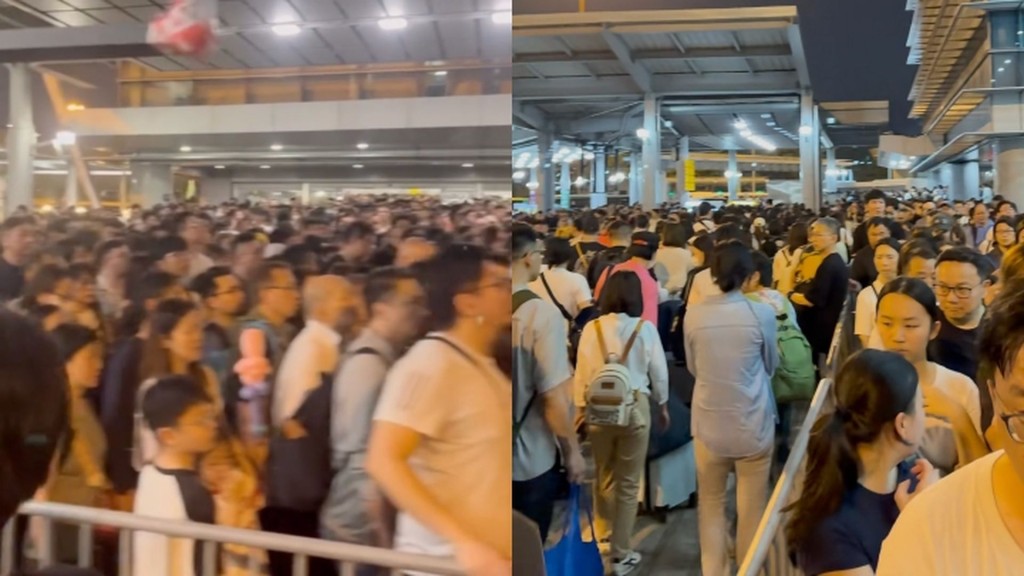
Long queues at border checkpoints as Easter holiday travellers return to HK
07-04-2026 02:45 HKT
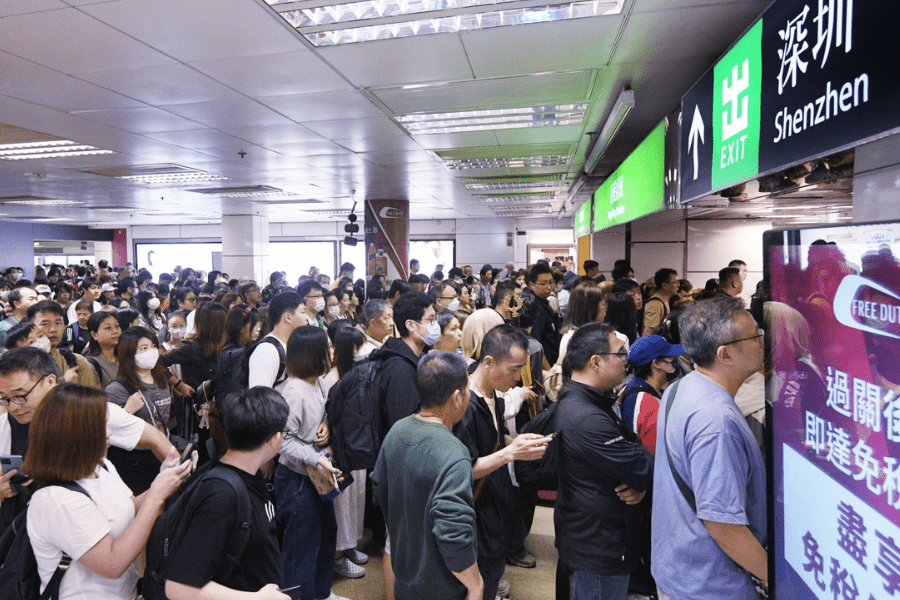
Nearly 1.26mn Hongkongers hop out of town, with 225,000 crossings by 10am
05-04-2026 17:11 HKT


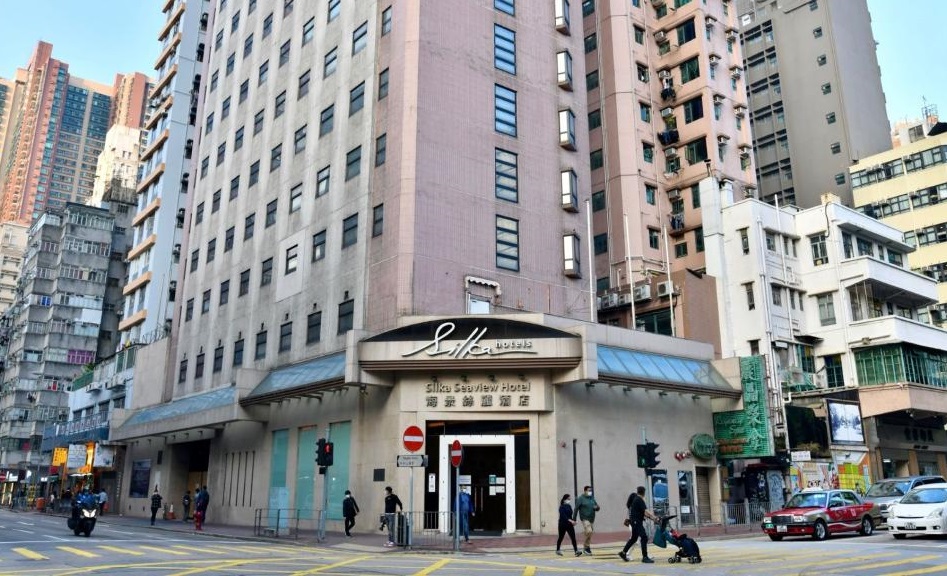
A woman discharged from a quarantine hotel carrying an Omicron sub-variant could trigger a more dangerous cluster than the previous Cathay Pacific flight attendant transmissions, said a DNA expert on Tuesday.
Dr. Gilman Siu Kit-hang, a Polytechnic University academic who led the genome analysis of Covid-19 cases, said sequencing has found that the Pakistani woman was carrying the BA2 sub-variant, which she could have picked up while in quarantine at a hotel in Yau Ma Tei.
Siu said although it is not yet known whether the new sub-variant is more infectious or dangerous than the dominant Omicron strain circulating around the world, the new sub-variant has definitely started a new transmission chain within Hong Kong.
He said the patient has since infected nine of her close contacts. If those nine have each infected more people, a Covid cluster much more serious than the Cathay aircrew cluster could be created.
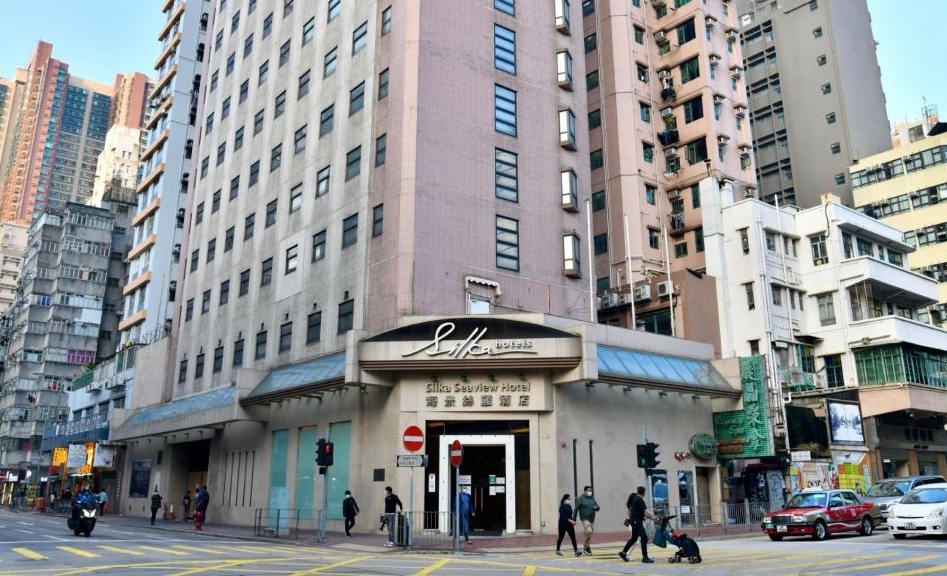
Health authorities earlier reported that the woman was a 43-year-old Pakistani who finished 21-day quarantine at Silka Seaview Hotel in Yau Ma Tei. She was confirmed with Covid-19 four days after she returned home.
She was suspected to be infected by a Nepali who lived next door on the 12th floor at the quarantine hotel.
Another similar case occurred on the 4th floor of the same hotel, where a resident infected one who lived next door.
Government experts, including Professor Yuen Kwok-yung pointed out, upon inspection, that the rooms did not have adequate ventilation, which led to transmission within the hotel. As a result, residents who live near the confirmed cases at the hotel will have to observe an additional 14 days of quarantine.
Based on findings from smoke tests, Yuen said that air inside hotel rooms could diffuse into the hallway, an indication of low air change per hour.
Additionally, air fresheners in the hallway were automatically turned off when the “automatic” setting was selected, whereas rooms were not equipped with air fresheners.
Yuen speculated that residents may have come into contact with virus-contaminated air when they opened their doors to collect their meals.