Read More







Morning Recap - October 15, 2026
6 hours ago






Reforms demanded to fix Hong Kong's severely oversubscribed public gyms
14-10-2026 11:45 HKT
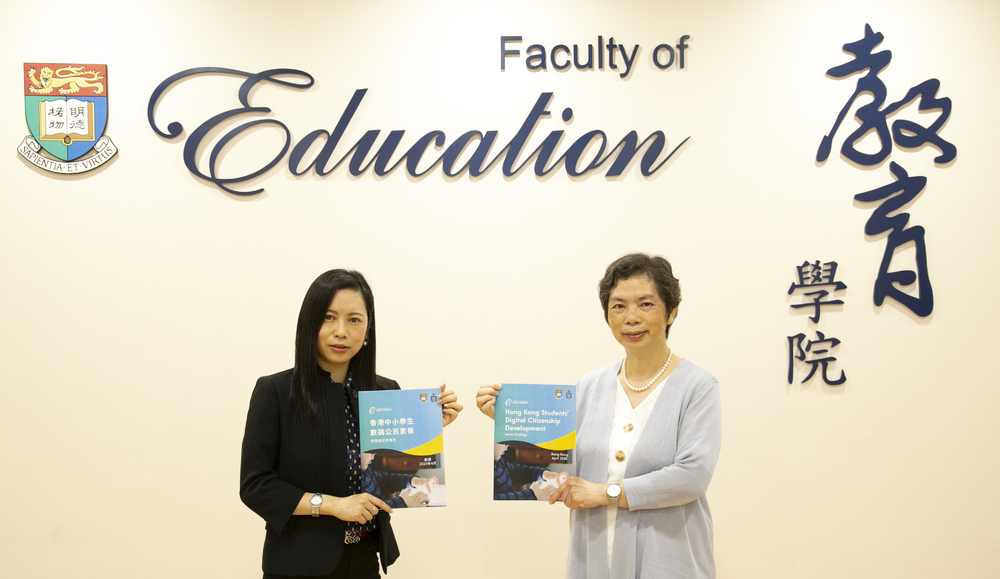
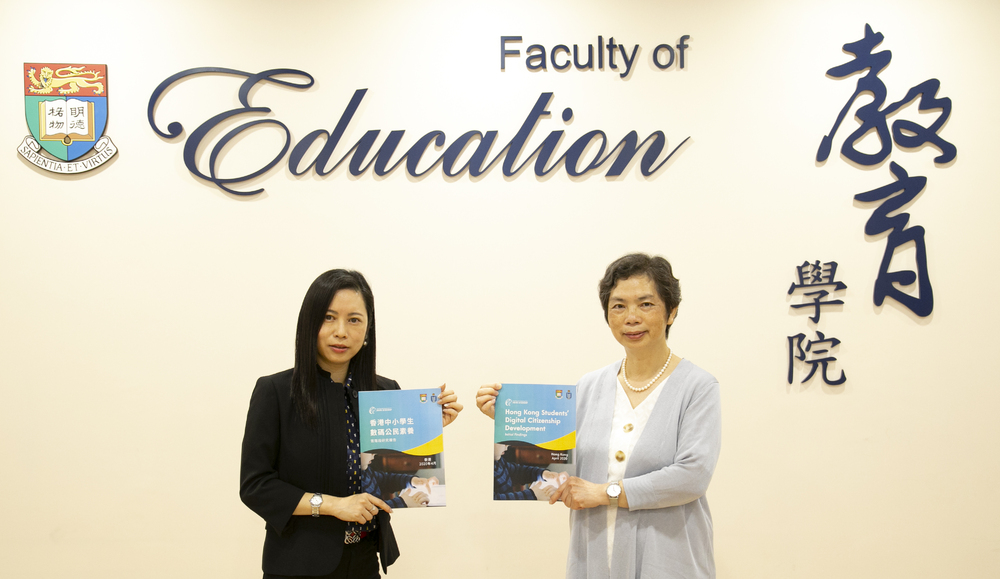
Hong Kong students vary greatly in competence using digital technology, and the digital divide will widen even more after the pandemic if not properly mitigated, University of Hong Kong researchers have found.
They announced the initial findings of their "Hong Kong Students' Digital Citizenship Development" report yesterday, which is part of a five-year study looking into the development of student competence with and tendency to use digital technology from childhood to early adulthood.
It also looked at how external factors, such as schools and families, may correlate with such development. The first wave of data collection was carried out via a questionnaire in the 2018-2019 school year, and involved more than 2,000 primary three, secondary one and three students and about 360 teachers.
Students differed greatly in their ability to use digital technology, with secondary school students having significantly higher competency than primary students.
In the highest performing schools, more than 75 percent of students outperformed students making up the top 25 percent of the lowest performing schools.
The findings showed students needed to share electronic devices with family members. Some 900,000 kindergartens, primary and secondary school students have been out of class since February because of the pandemic.
With most students switching to online learning, children from low-income families have faced an entirely new set of challenges.
Nancy Law Luk Wai-ying, a professor at HKU's Faculty of Education, said when the data was collected last year, students were mainly using electronic devices for communication with family and friends and leisure purposes.
Dean of education A Lin Goodwin said the study is a timely one, as it can look into whether or not students have adequate access to digital technology for learning from home amid the pandemic.
Law predicted that preexisting digital divides will widen further after the pandemic if not properly mitigated.
"During the pandemic, online learning has become the only channel through which to conduct teaching and learning," Law said.
"A minimal level of digital competence and technology access is needed to participate in online learning activities organized by schools."
She said how a school organizes its online learning provisions depends on understanding of students' level of digital competence and technology access.
The researchers recommended the SAR seize the opportunity to build partnerships across different communities to enhance digital competence once the crisis ends.