Read More



Night Recap - June 5, 2026
16 hours ago






Cathay Pacific's executive director and CFO Rebecca Sharpe to step down
04-06-2026 17:35 HKT
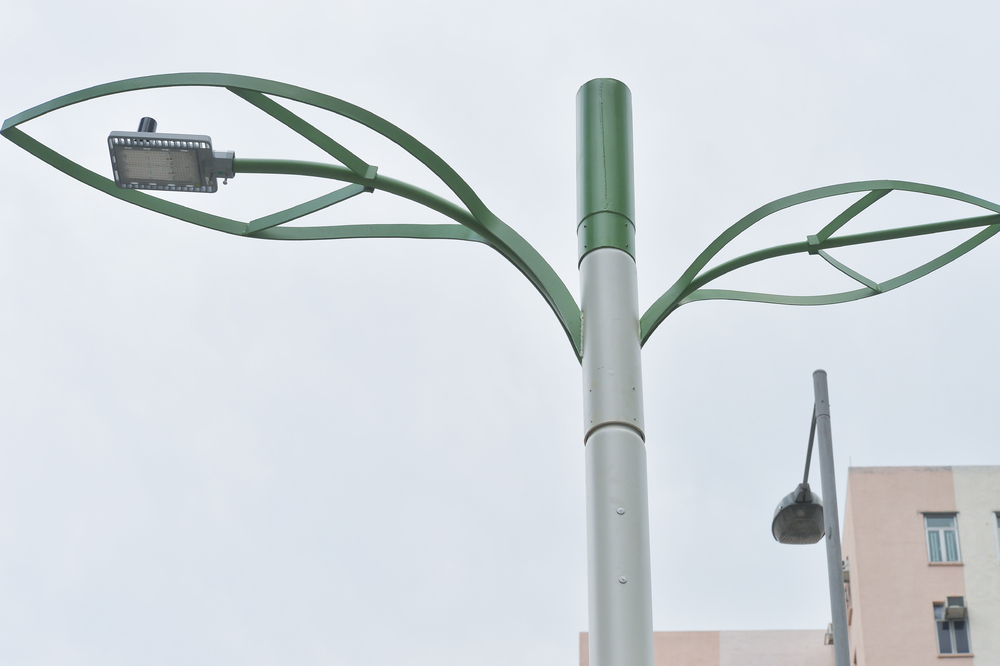
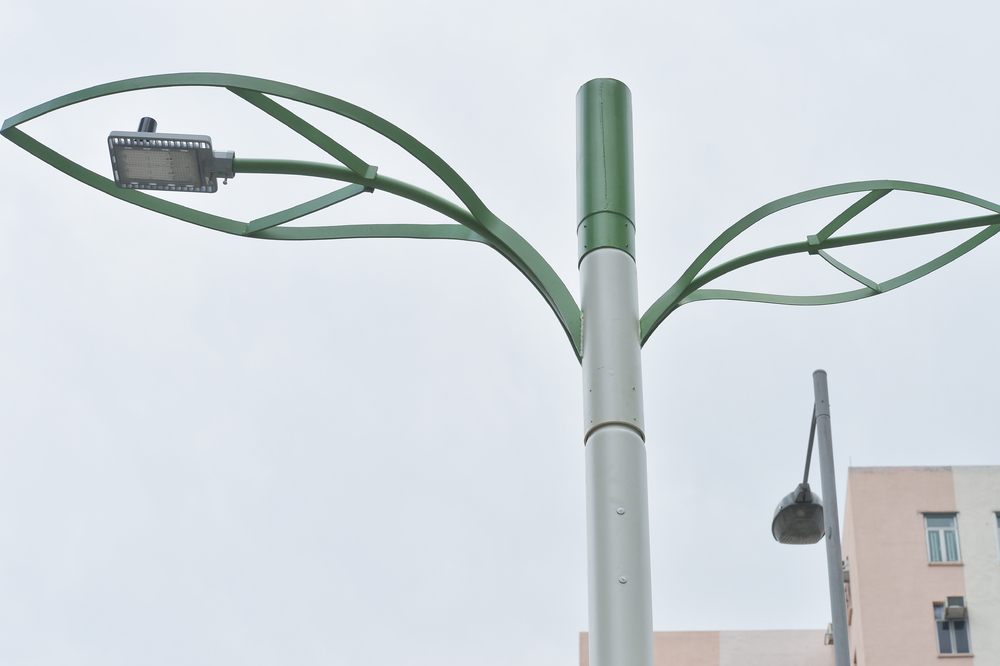
The government has said it will press ahead with the installation of the city’s remaining 350 smart lampposts, after 50 of them were installed in Kwun Tong and Kai Tak Development Area in mid-2019 as the first phase of the Pilot Scheme.
The smart lampposts plan had previously met with public opposition with concerns over privacy, questioning what kind of information the lampposts - installed with sensors, data connectivity, and cameras - will be able to collect.
Secretary for Innovation and Technology, Alfred Sit Wing-hang, said today that the remaining 350 or so smart lampposts will be installed in phases with a view to completing them by mid-2023.
He said the total estimated project expenditure for the Pilot Scheme is HK$272 million, covering the procurement and installation of smart lampposts and smart devices, management of smart devices and data transmission systems, telecommunications network connection facilities as well as ancillary road works.
He also said the Office of the Government Chief Information Officer and the Transport Department will actively explore the use of Light Detection and Ranging to replace cameras in the detection of vehicle speeds and identification of different types of vehicles
In July last year, the government said it will not activate certain functions on its new smart lampposts, following a public outcry.
Three functions will remain disabled owing to public concerns, which include a function to detect vehicle speed using bluetooth device recognition, a function to detect car types using licence plate recognition, and a function to video monitor the dumping of industrial waste at blackspots.
Other functions unrelated to privacy will be activated. Traffic and weather data will be sent to the Hong Kong Observatory, the Environmental Protection Department and the Transport Department, but no data will be provided to law enforcement agencies.