Read More










Cathay Pacific and HK Express to cancel flights amid soaring fuel prices
11-04-2026 17:29 HKT

Shopper's $11,000 Gucci shoes stolen from Causeway Bay mall restroom
11-04-2026 19:03 HKT


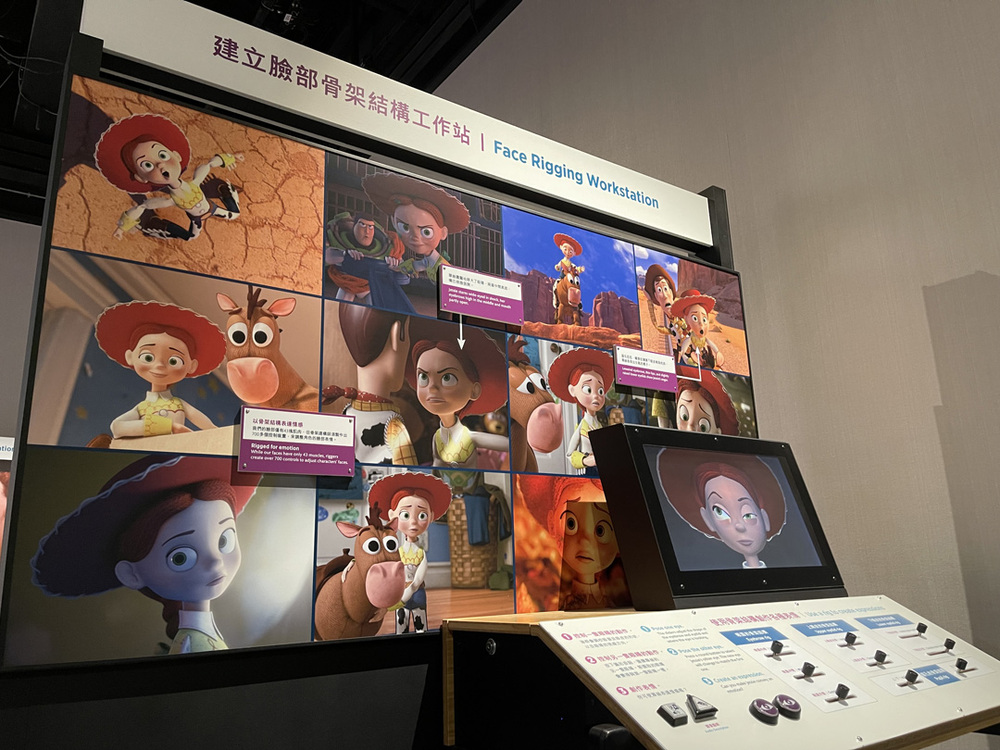
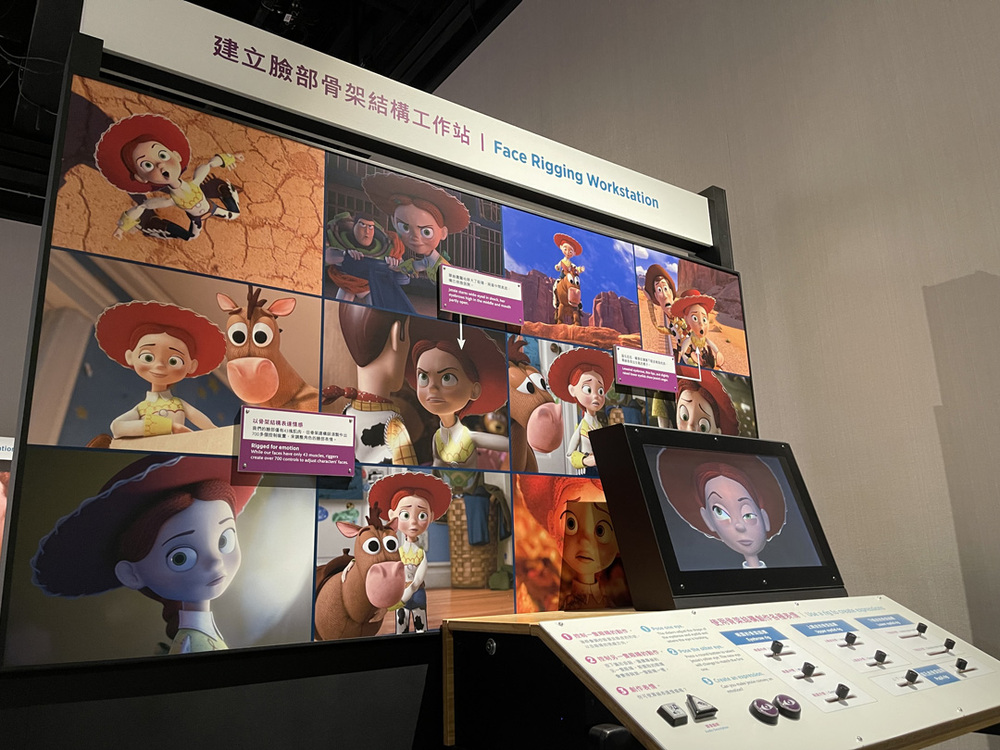
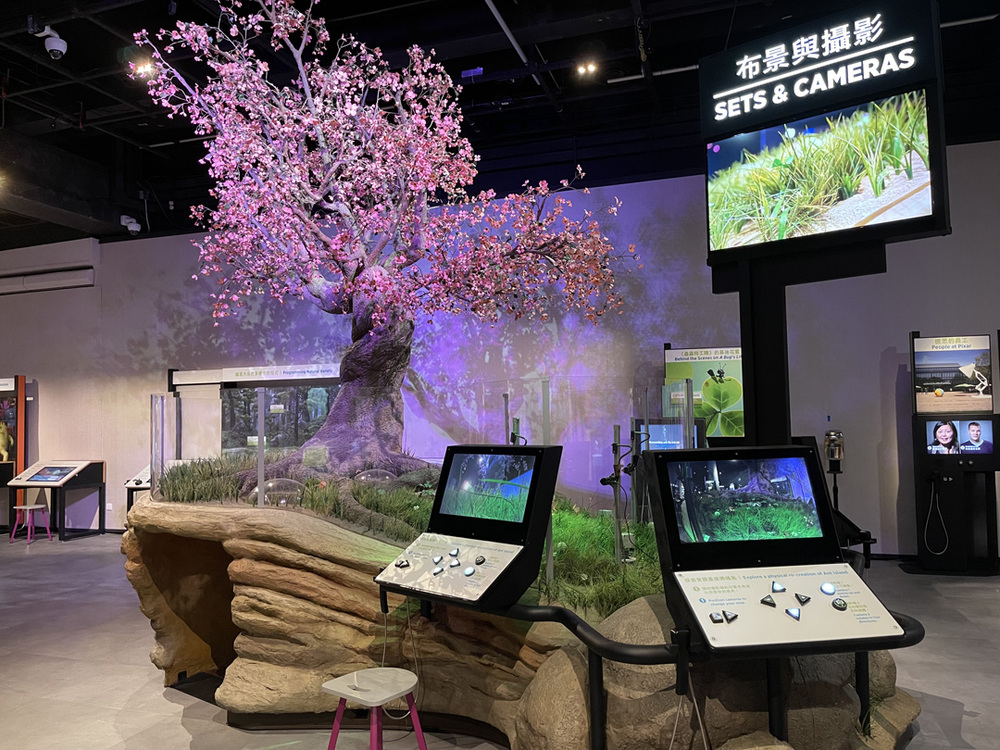
Beginning July 30, visitors to the Hong Kong Science Museum will be inspired by the science and technology behind some of the most beloved animated films with “The Science Behind Pixar”.
Created by the Museum of Science, Boston and Pixar Animation Studios and featuring more than 50 interactive elements, the exhibition shows the science, technology, engineering, and math (STEM) thinking skills needed to create compelling films, and how they help bring Pixar Animation Studios’ award-winning films to the big screen.
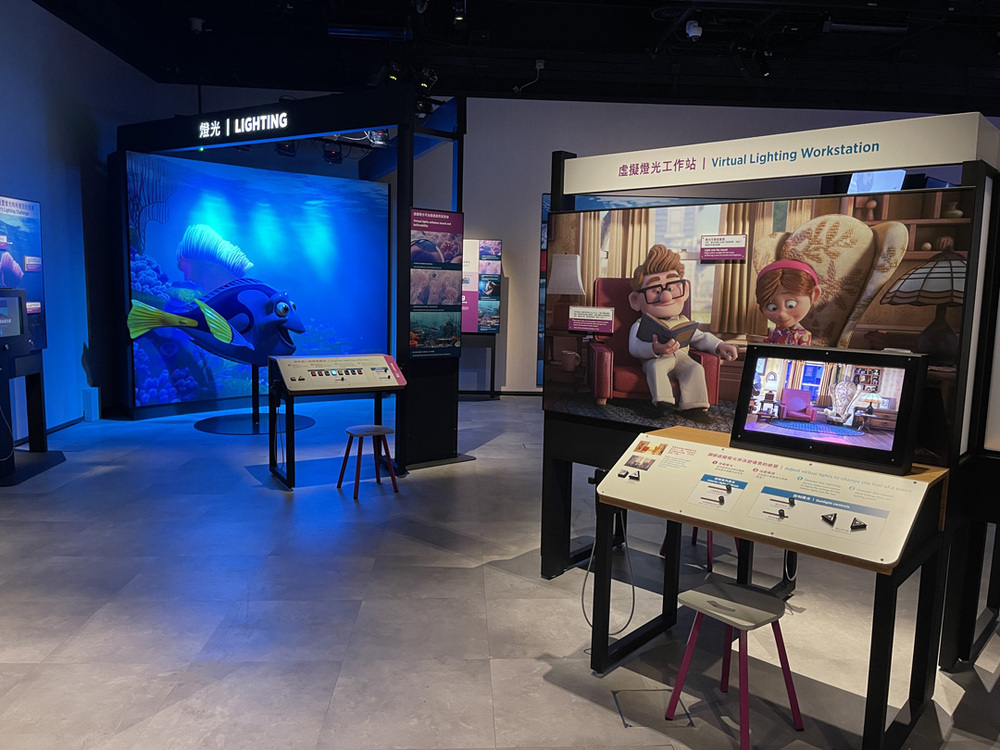
The exhibition is organized into nine sections, each focusing on a step of Pixar’s technical process—modeling, rigging, surfaces, sets & cameras, animation, simulation, lighting, and rendering, along with a mini-theater.
Visitors of all ages will engage in and learn about the filmmaking process through activities inspired by some of Pixar’s most treasured films, from the first-ever computer animated feature film Toy Story, which opened over two decades ago, to Pixar’s summer 2018 release, Incredibles 2.
To better understand the science and math that goes into creating Pixar’s worlds and characters, visitors will hear directly from members of the studios’ production teams. They will also be invited to experience different roles within the production pipeline, through screen-based activities and physical interactive elements.
Visitors will also have the opportunity to take their photos with human-size recreations of many of their favorite Pixar characters, including Buzz Lightyear and Dory.
The exhibition will run for four months starting tomorrow. All visitors to this exhibition are required to make an advance booking through the Museum's e-booking system.
Visitors who make a booking should present the QR code on the confirmation email, purchase ticket or Museum Pass when they arrive at the Box Office of the Hong Kong Science Museum.