Read More
Popular dry pasta brands in Hong Kong were found to contain tiny insect debris ranging from four pieces to up to 500 pieces.
ADVERTISEMENT
SCROLL TO CONTINUE WITH CONTENT
The Hong Kong Consumer Council tested 35 dry pasta sold locally, which all of them were found to have contained insect debris.
Over 60 percent of the samples were also found to have contained bits and pieces of hair, natural fiber, stone, metal and plastic.
The Council said the situation is alarming and urge product producers to pay attention to quality control, minimizing the amount of “food defects” being added to the mix.
Dr Lui Wing-cheong, vice-chairman of the council’s research and testing committee, said the main ingredient for pasta is wheat, which is unavoidable that these dismembered creatures will be a byproduct through growing and harvesting.
“These tiny pieces of insect debris are indeed very tiny, with some could only be seen under a microscope. Most of the bacteria can be killed by cooking these dry pasta thoroughly, citizens should not worry too much about it,” Lui added.
From the Council’s test, Nissin’s Seafood with Abalone Flavour Demae Iccho Macaroni was tested containing the most insect debris of 548 pieces, with Marks & Spencer’s Wholewheat Spaghetti following behind with 271 pieces of insect debris and nine insects in whole.
Golden Tripod’s macaroni and Castagno Organic Durum Wheat Italian Pasta with seaweed - Fusilli were also tested “positive” for insect debris, containing 153 pieces and 131 pieces respectively, with Castagno’s pasta containing another three insects in whole.
Nissin Foods had since responded to the Council’s test report, saying the wheat brans added in their products were believed to be mistaken as insect debris, saying these substances are rich in dietary fiber and dietary minerals.
“We have sent the same batch of products to an authoritative and accredited laboratory in the US for testing, the results show that the product meets safety standards and are materially different from the Council’s test,” Nissin’s statement added.
“The Council’s tests are not conclusive or representative enough to reflect the quality and safety standards of our products.”
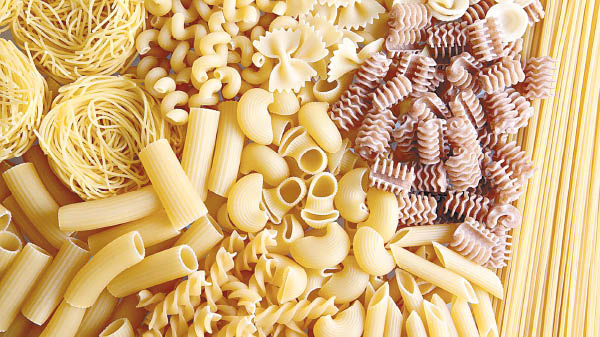
Thirty-five pasta tested by the Hong Kong Consumer Council were found to have contained insect debris. File Photo.