Mention Chinese ceramics and most people would immediately think of qinghua, the blue-and-white porcelain from the Tang and Song dynasties. But Chinese porcelain has a long and illustrious history. And for anyone interested in its evolution, the Ming dynasty stands out as a pivotal era that left an indelible mark on the art form.
ADVERTISEMENT
SCROLL TO CONTINUE WITH CONTENT
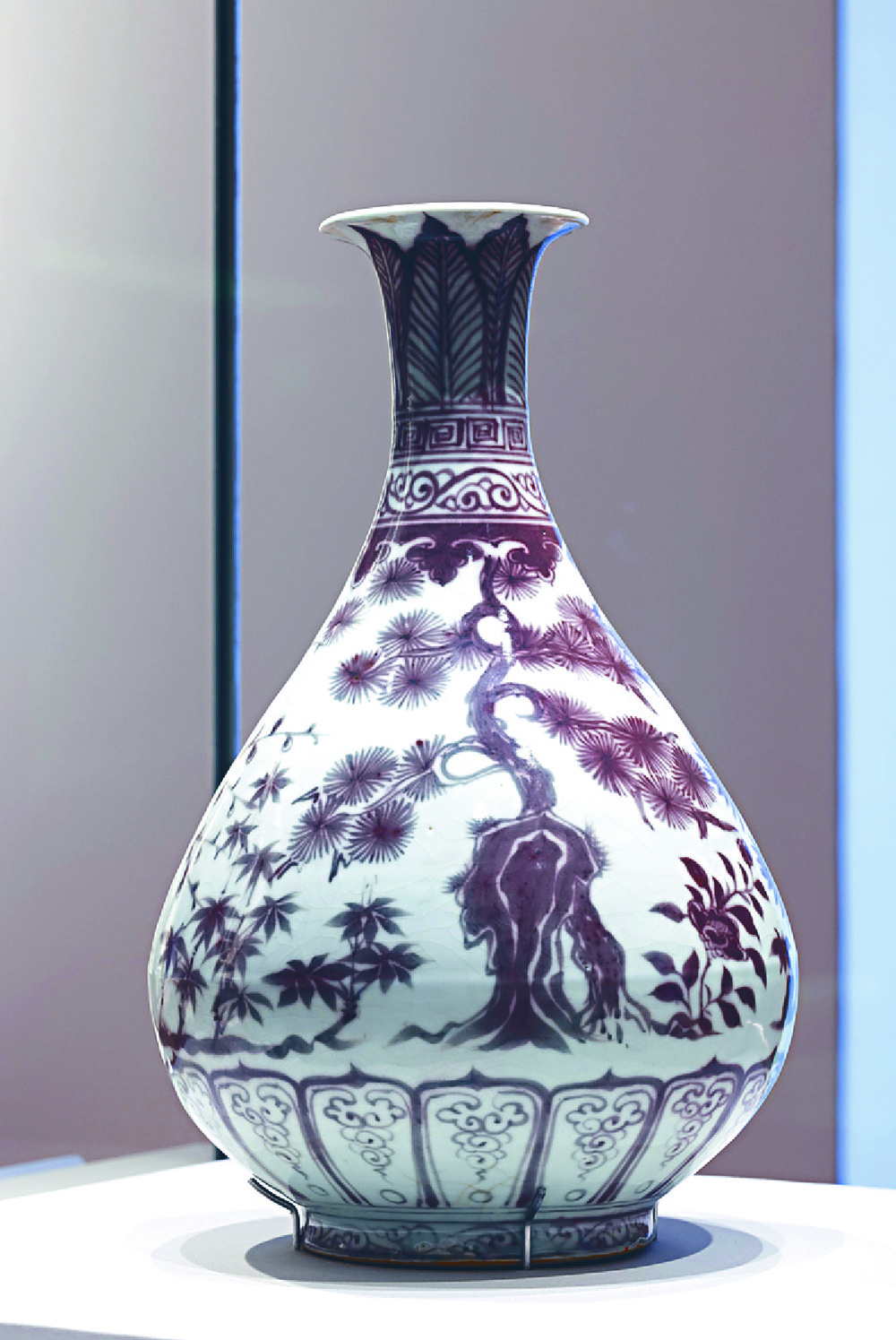
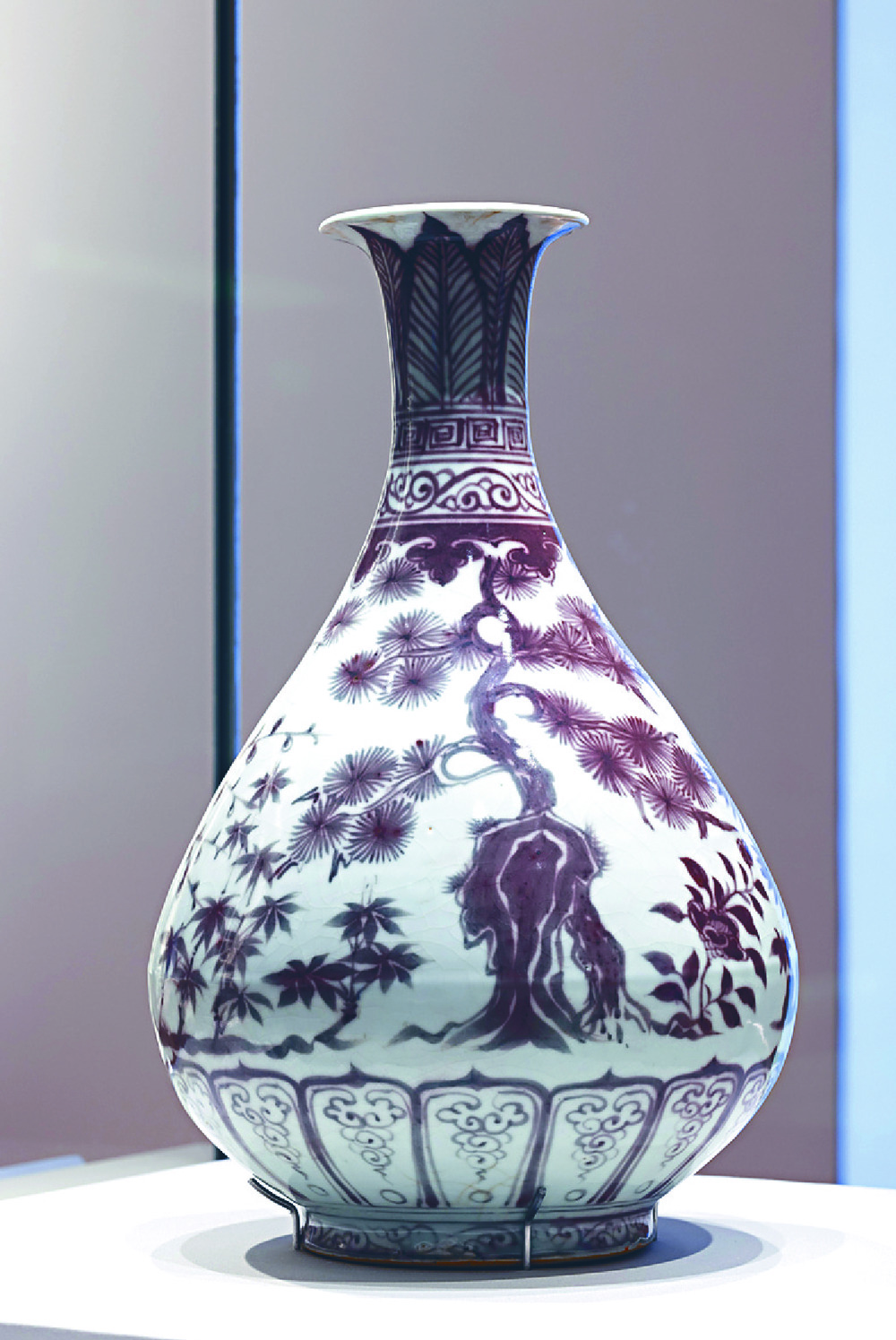
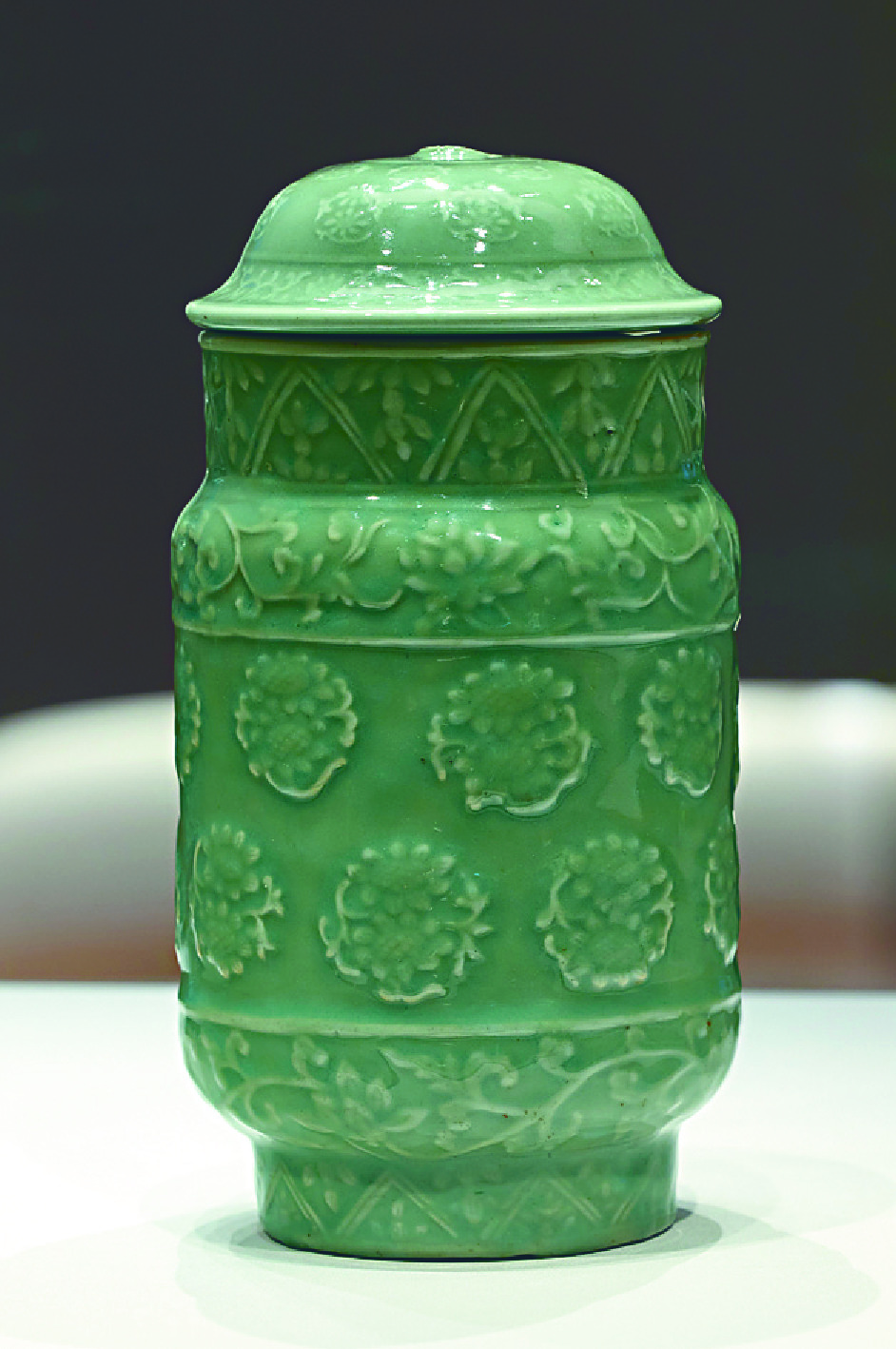
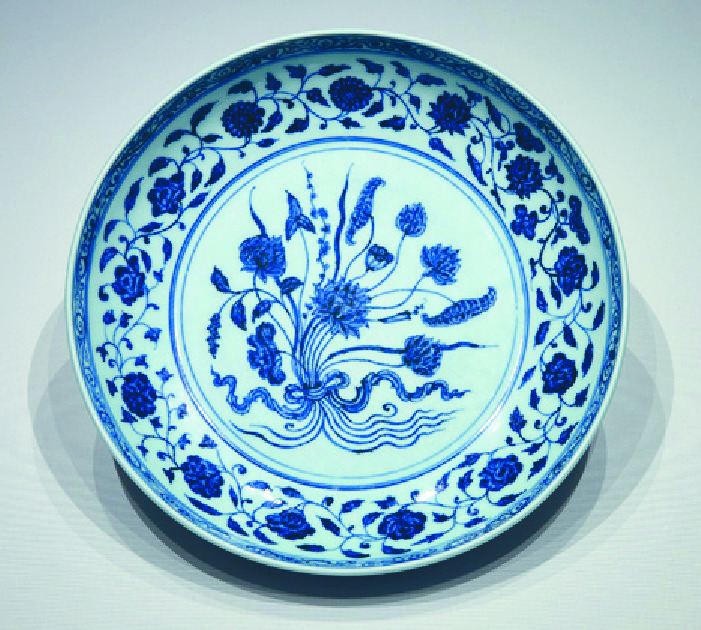
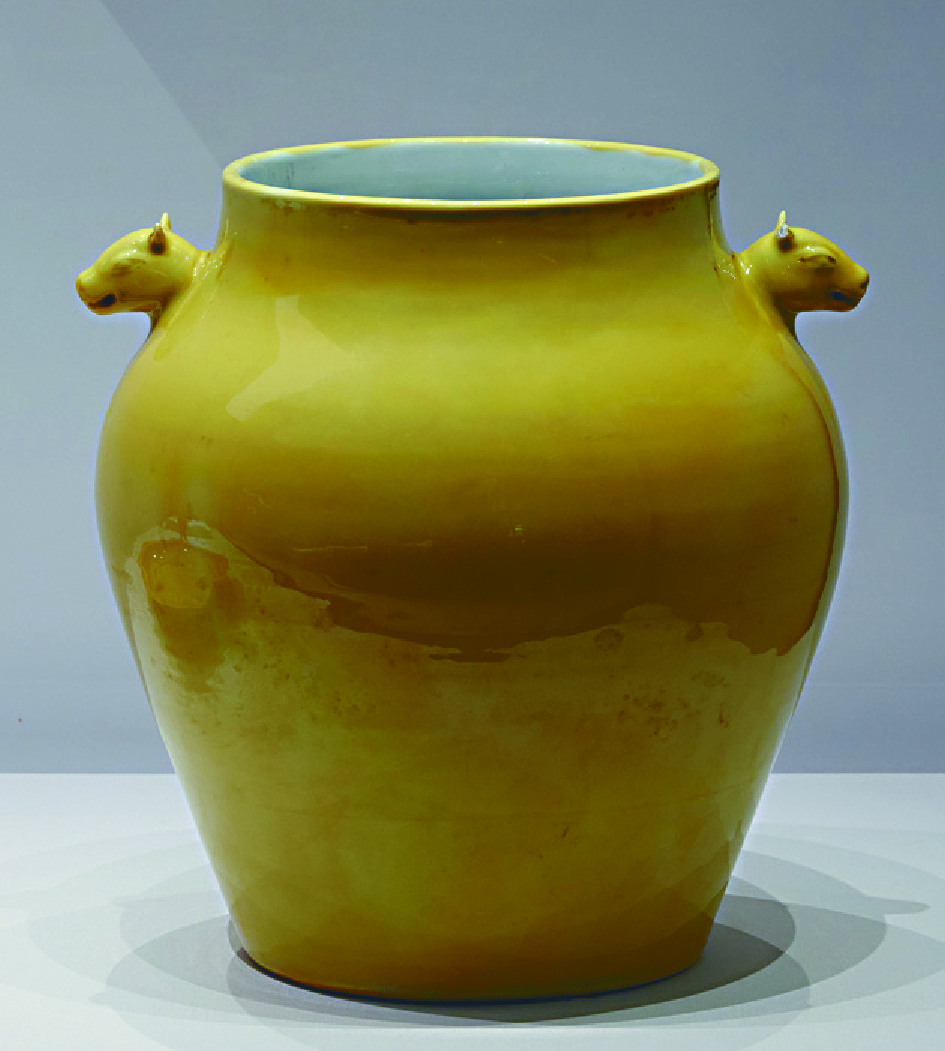
The Hong Kong Palace Museum is showcasing a collection of 106 ceramic artifacts, including 21 first-grade national treasures, in Brilliance: Ming Dynasty Ceramic Treasures from the Palace Museum, which highlights the development and achievements of Ming dynasty ceramics.
Three sections of the exhibition, each focusing on the early, middle, and late periods of the Ming dynasty, chronicle the development of Ming ceramics through their form, glaze, and intricate designs.
Daisy Wang Yiyou, deputy director of curatorial, collection and programming at the museum, emphasized the meticulousness in the selection process for the exhibition. "The most important principle for selecting the exhibits was to ensure they represented the best of the best in terms of quality," she said.
Beyond their visual appeal, many of these works carry deeper cultural and symbolic meanings.
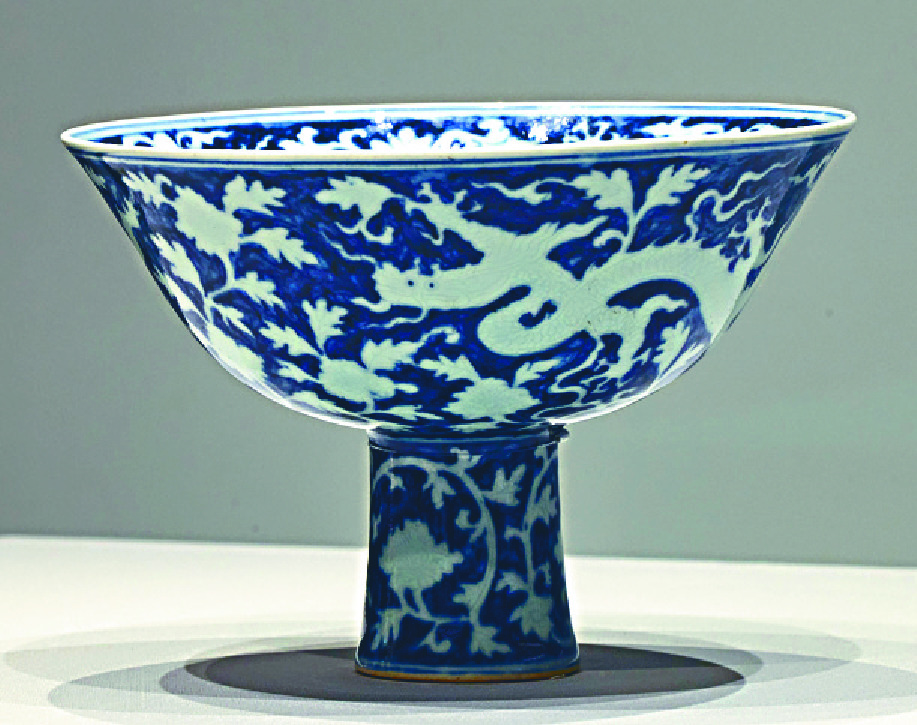
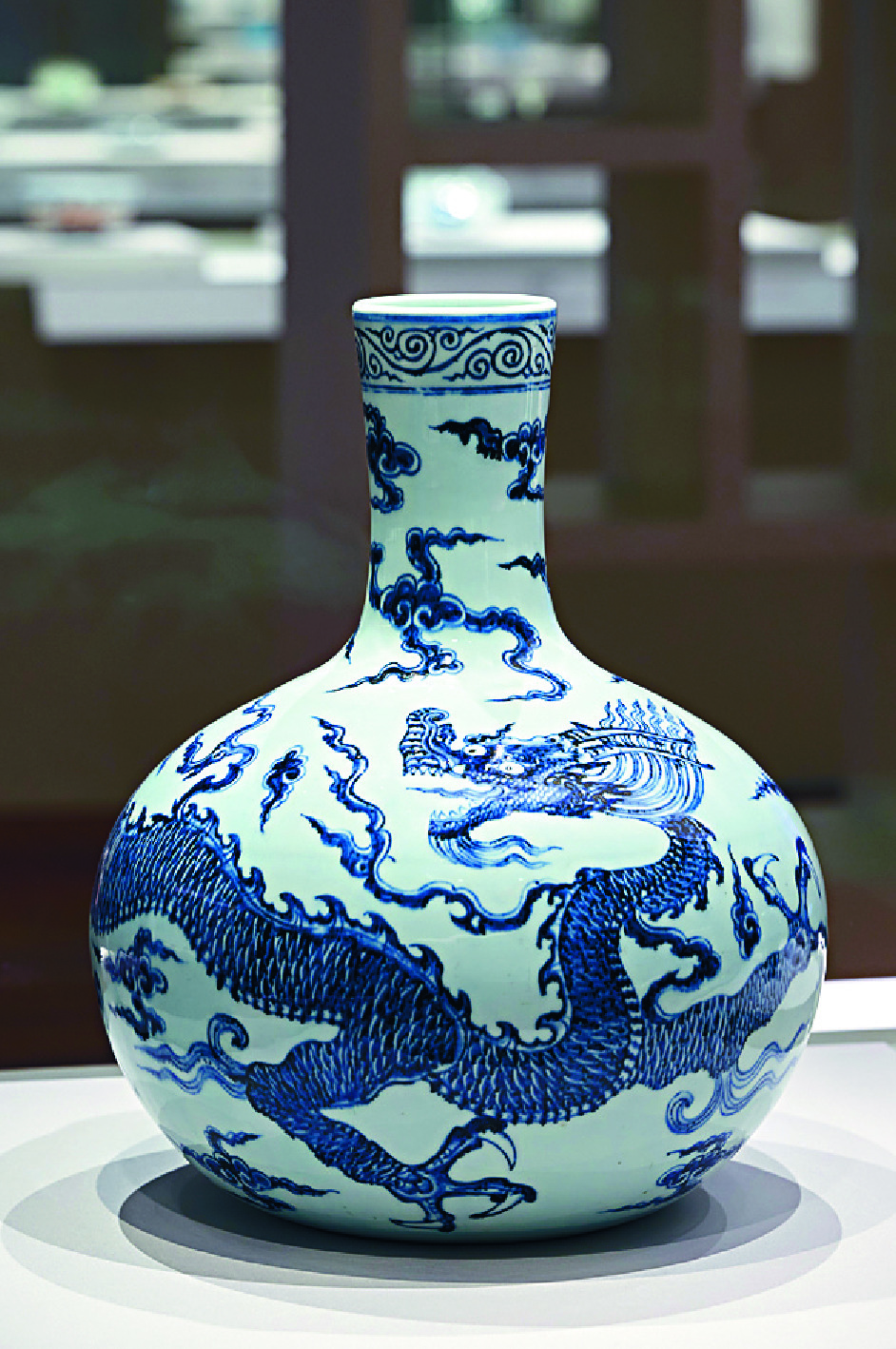
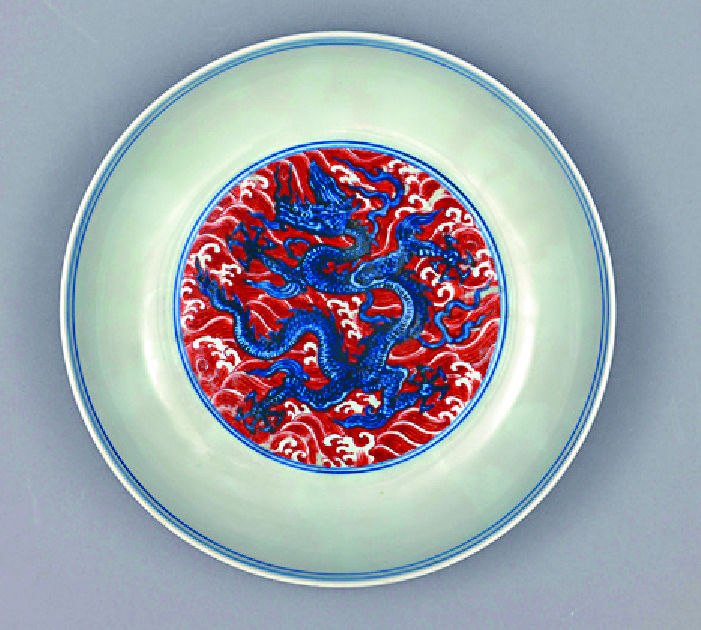
Among the selections is a set of dishes adorned with dragon motifs, a symbol of nobility, power, and auspiciousness that was central to the identity of the Ming imperial family.
"The dragons, often paired with clouds, waves, or floral motifs, reflected the authority and grandeur of the imperial family," said Meng Qiao, assistant curator at the museum.
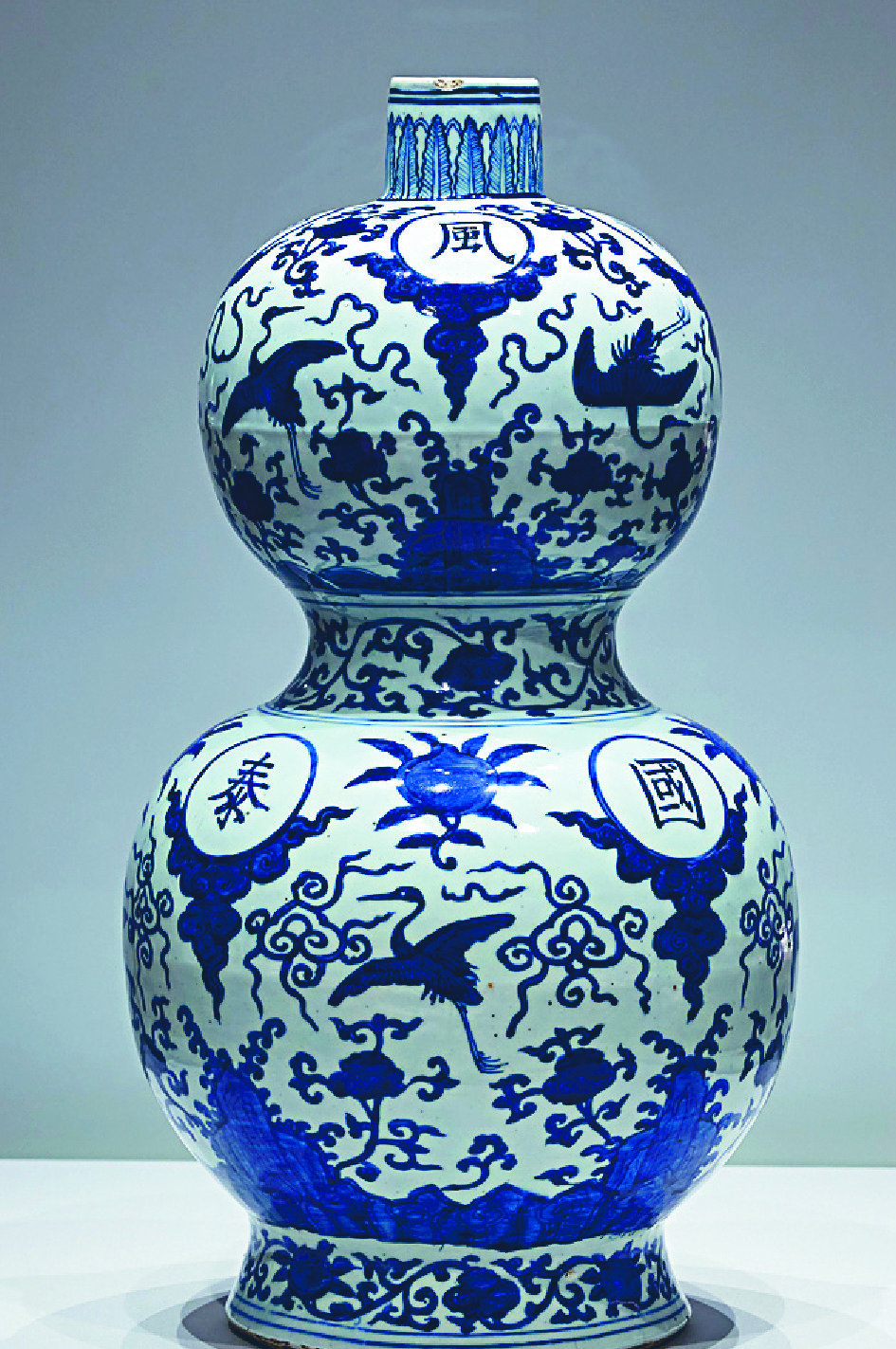
Another commanding piece is a double-gourd-shaped vase painted with cranes among clouds and auspicious characters, or hulu ping, produced in the late Ming dynasty.
Originally designed to hold elixirs, the double-gourd shape symbolizes fortune and embodies both practical and cultural significance.
Qiao explained that the four characters on the vase form a Chinese idiom wishing peace and prosperity for the country and its people.
"We wanted to include this piece, especially because of the good blessings it carries," she added.
A significant narrative woven into the exhibition is the rise of Jingdezhen, often called the porcelain capital of China.
Jingdezhen's ceramic production became world-renowned during the Ming dynasty. Its role as a key site for ceramic production is emphasized throughout the exhibition, with a large percentage of exhibits being produced in the city in Jiangxi province.
"By the late Ming, Jingdezhen had established itself as a world-class ceramic factory, producing hundreds of thousands of pieces annually," explained Qiao. The flourishing Jingdezhen was not just a testament to Chinese craftsmanship but also an indicator of the broader socio-economic stability during that period.
The exhibition also addresses the role that ceramics played in cross-cultural exchanges through international trade, used as diplomatic gifts, and helped foster China's relationships with other nations. "Ceramics acted as an important medium for the exchange of Chinese and foreign cultures," said Wang.
Visitors will have the opportunity to engage with the ceramics-making process through multimedia displays and interactive experiences. A dedicated section explores the production techniques of Ming dynasty ceramics, allowing them to learn about the intricate steps involved in creating these prized pieces, from sourcing materials up to the firing process.
An interactive display further enhances the experience by offering visitors a hands-on opportunity to try their hand at ceramic making.
"We wanted to offer an immersive experience where people could gain a better understanding of the processes behind the creation of Ming dynasty ceramics," said Qiao.Step into the world of ceramics at Gallery 3, Hong Kong Palace Museum.